
It’s never too early to
talk about race.
Adults often delay having the difficult conversation about race and racism with their children until they are above the age of 5. [1] Research has shown that babies are able to discern physical differences such as skin color as early as 6 months. [2] Children as young as four can exhibit signs of unconscious bias. [3]
According to Maysa Akbar, PhD, American Psychology Association’s chief diversity officer and interim chief of psychology, “Side-stepping these hard conversations is just not an option. Without parental intervention, racism and its effects creep into the spaces where children live, learn, play, and grow. We can start conversations in a developmentally appropriate way that prepares our children to face racism and deal with it constructively, using simple language and terms that children will understand.” [4]
Hosted by inaugural National Youth Poet Laureate, Amanda Gorman, this half-hour program features authentic conversations between real children and their parents. The show looks at race and racial justice-related topics in an age-appropriate way and offers viewers ideas to build on as they continue these important conversations at home.
The Importance of Books
Books can help expose children to diversity in a way that can increase their appreciation of other cultures and empathy for others. When children identify with a story’s characters this can also help increase their self-confidence.
We have gathered below a list of titles available through Bibliomation (Connecticut’s shared Library System) that feature black, indigenous and other people of color (BIPOC) characters in both culturally specific and universal narratives. When you click the image of the book you will be re-directed to the catalog page within Bibliomation from where you can place it on hold. Some books may not be available at Newtown’s CH Booth library but at other Connecticut libraries. When you place these titles on hold, it will be requested as an interlibrary loan which will then be delivered to the CH Booth Library.
Please note that this is not intended to be an exhaustive list and we plan to periodically add more titles. We are also working to create a section on books for older children as well.
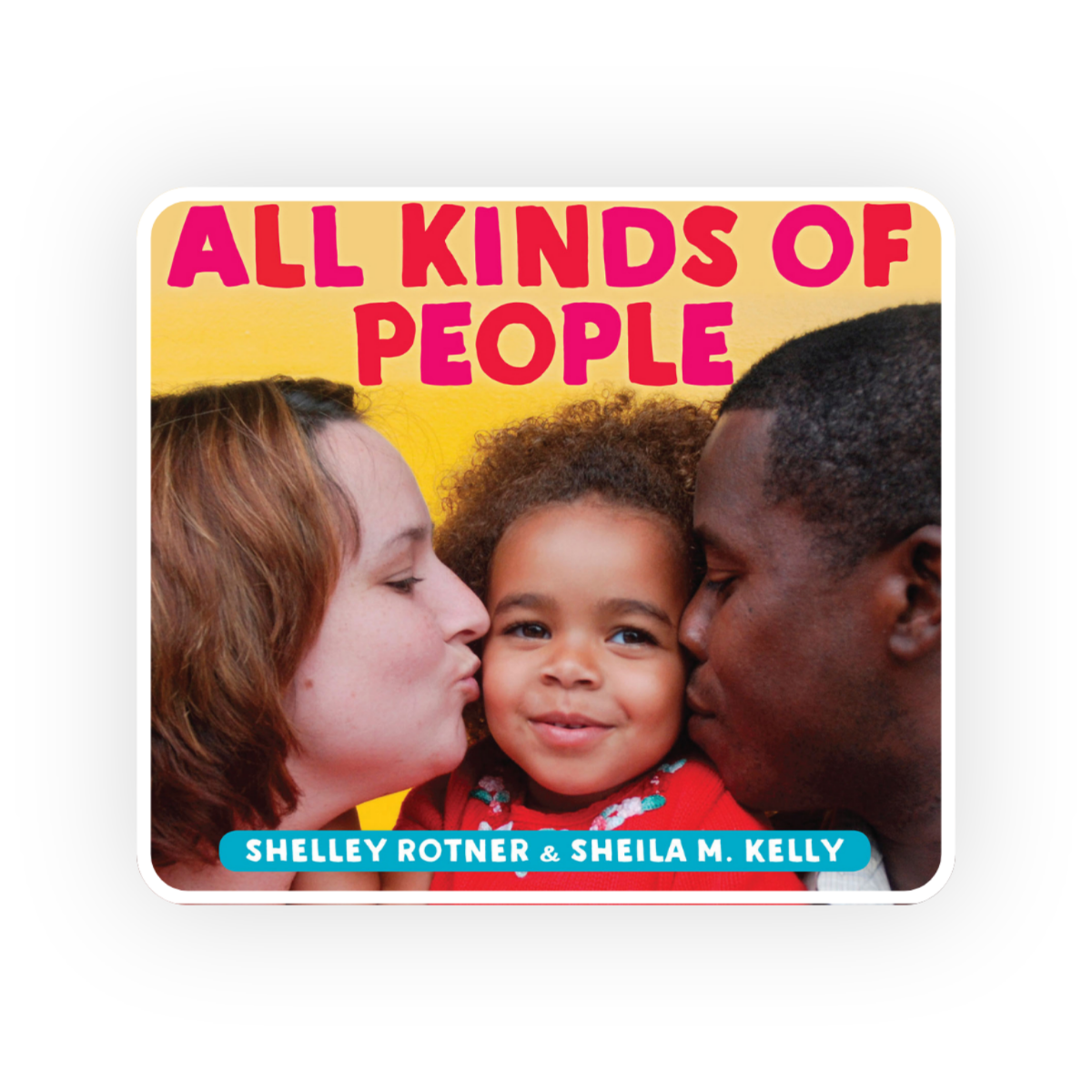
All Kinds of People by Shelley Rotner offers a simple message “all shades of children play together.”
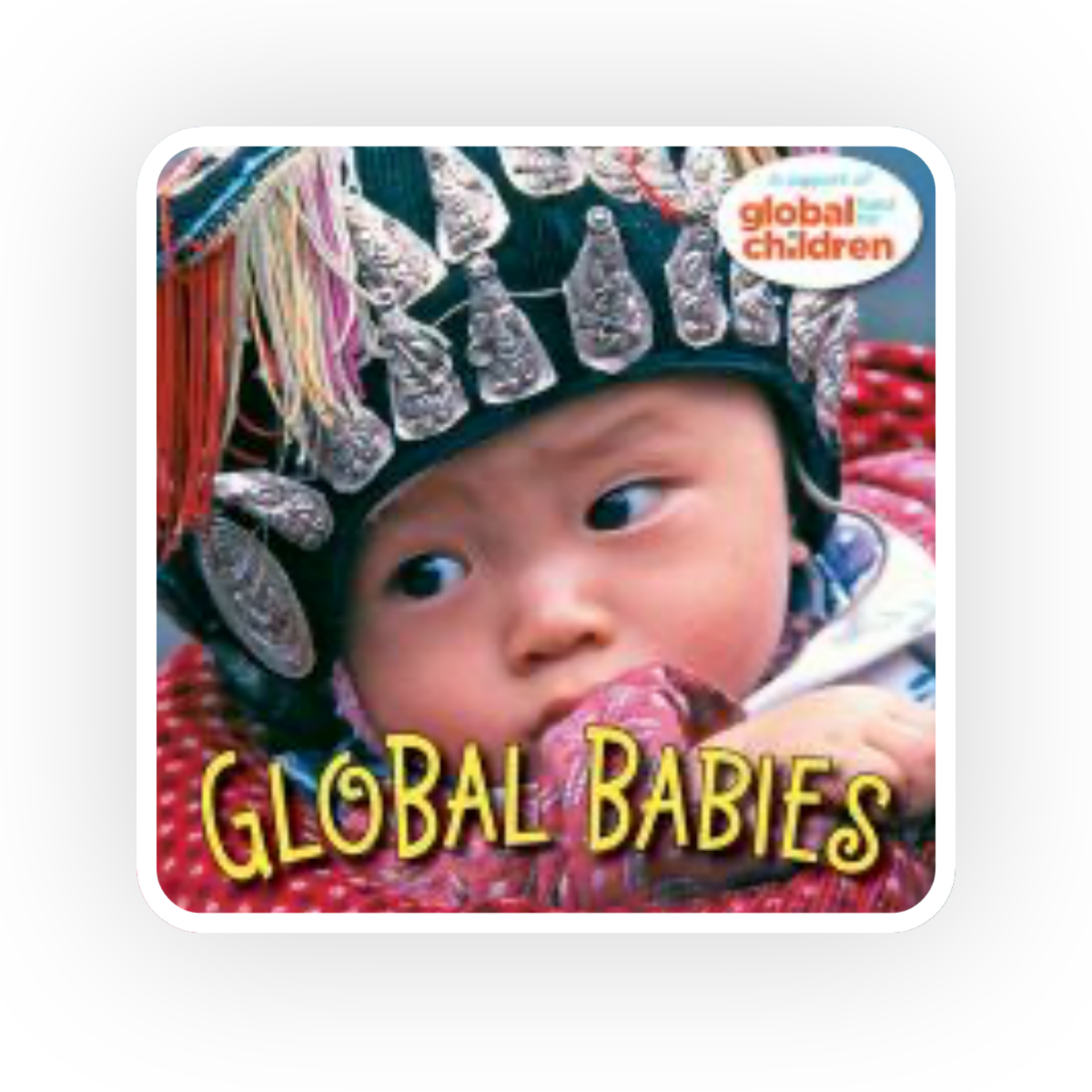
Global Babies showcases the daily lives of babies from all around the world.
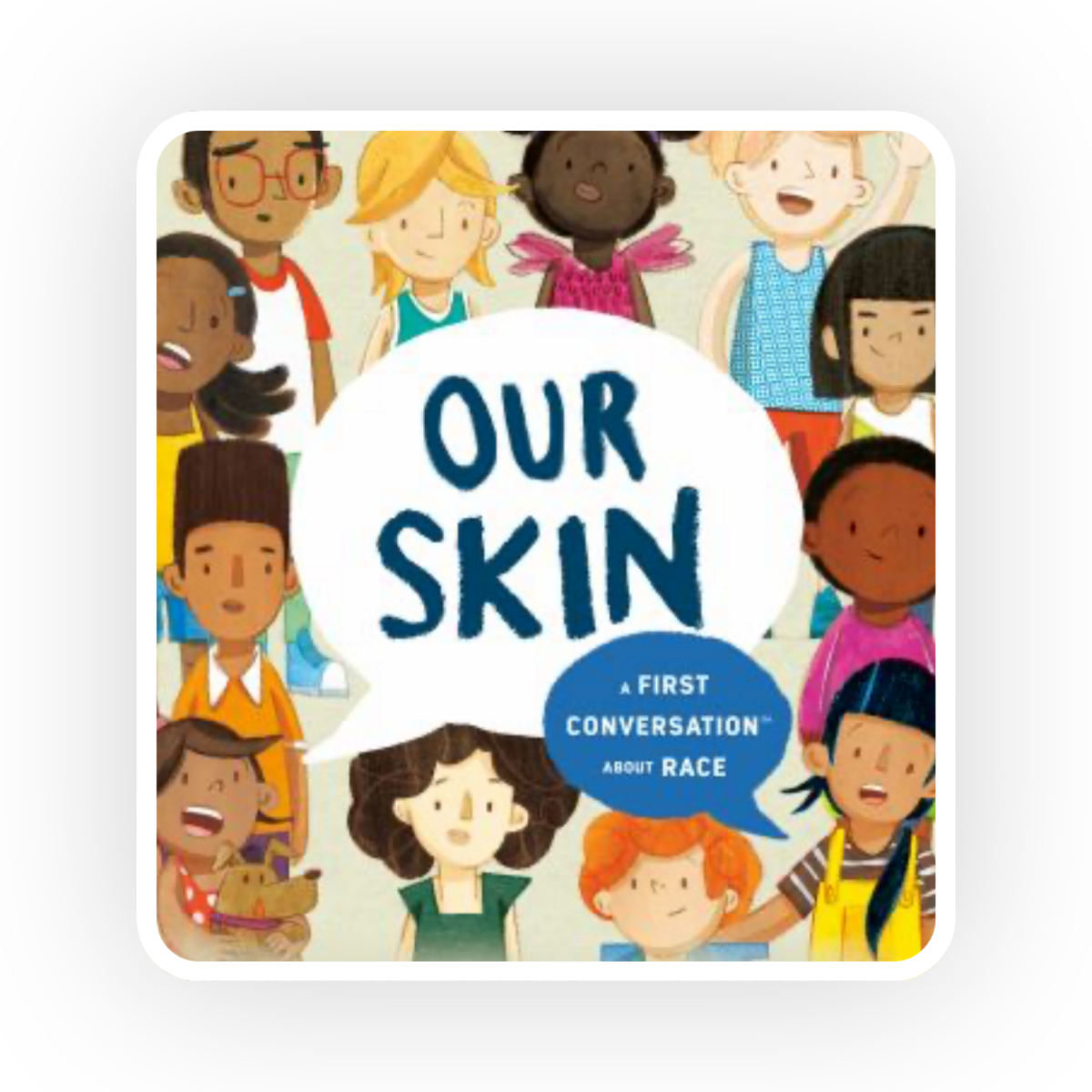
In Our Skin, Jessica Ralli explains the science behind skin color and how historically it has been misused.
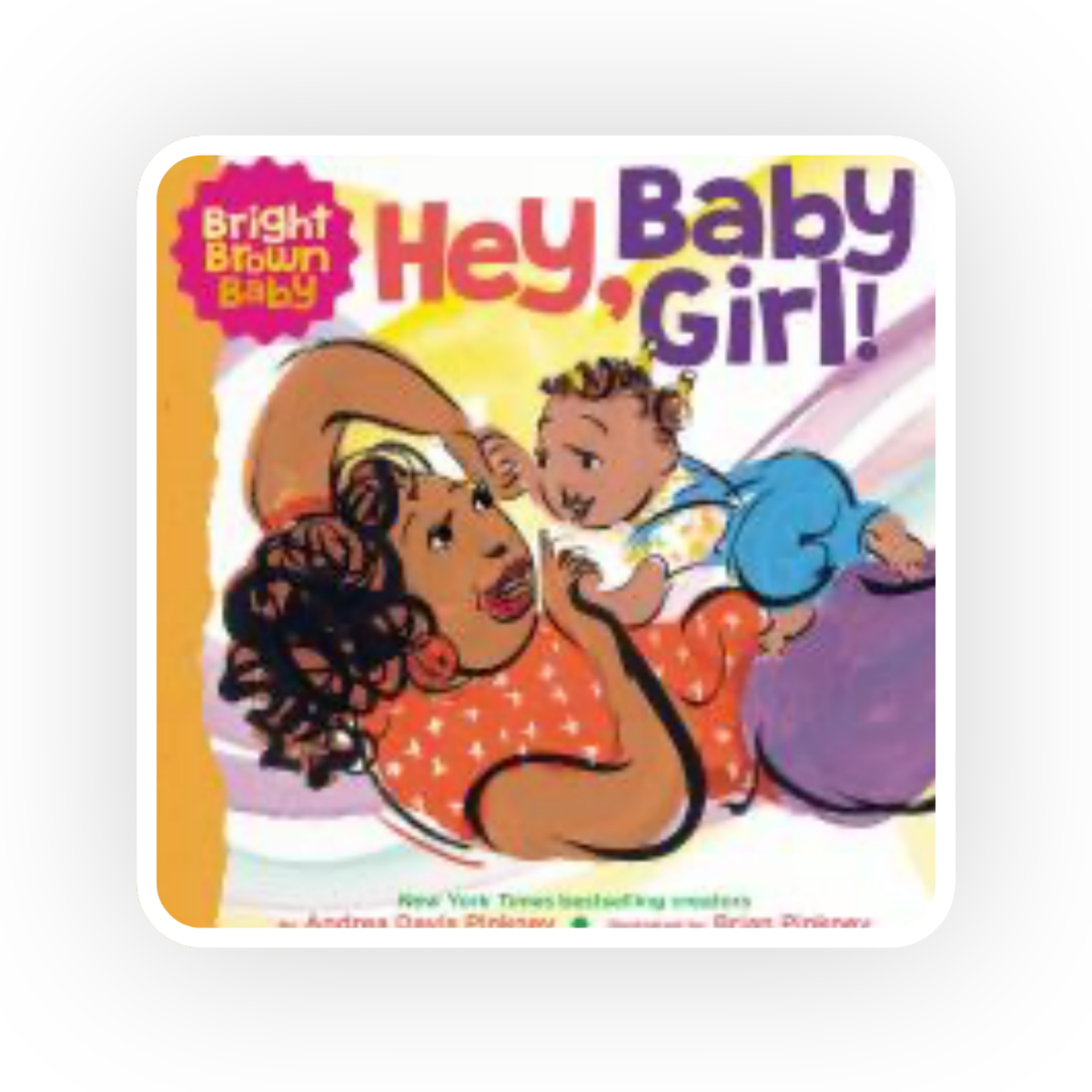
The Bright Brown Baby series by Andrea Pickney features black and brown characters in lyrical narratives.
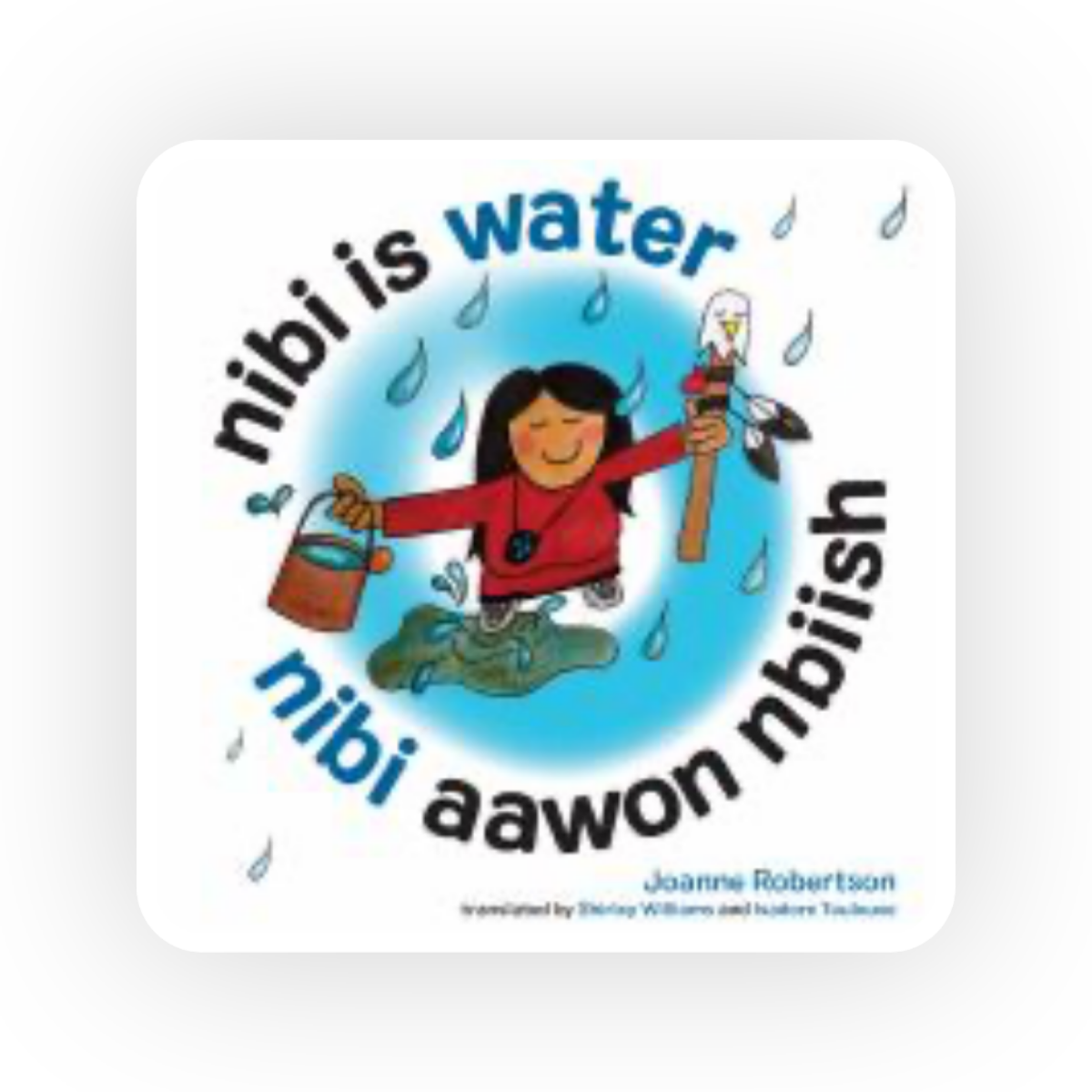
A first conversation about the importance of Nibi, which means water in Anishinaabemowin (Ojibwe), and our role to thank, respect, love, and protect it.
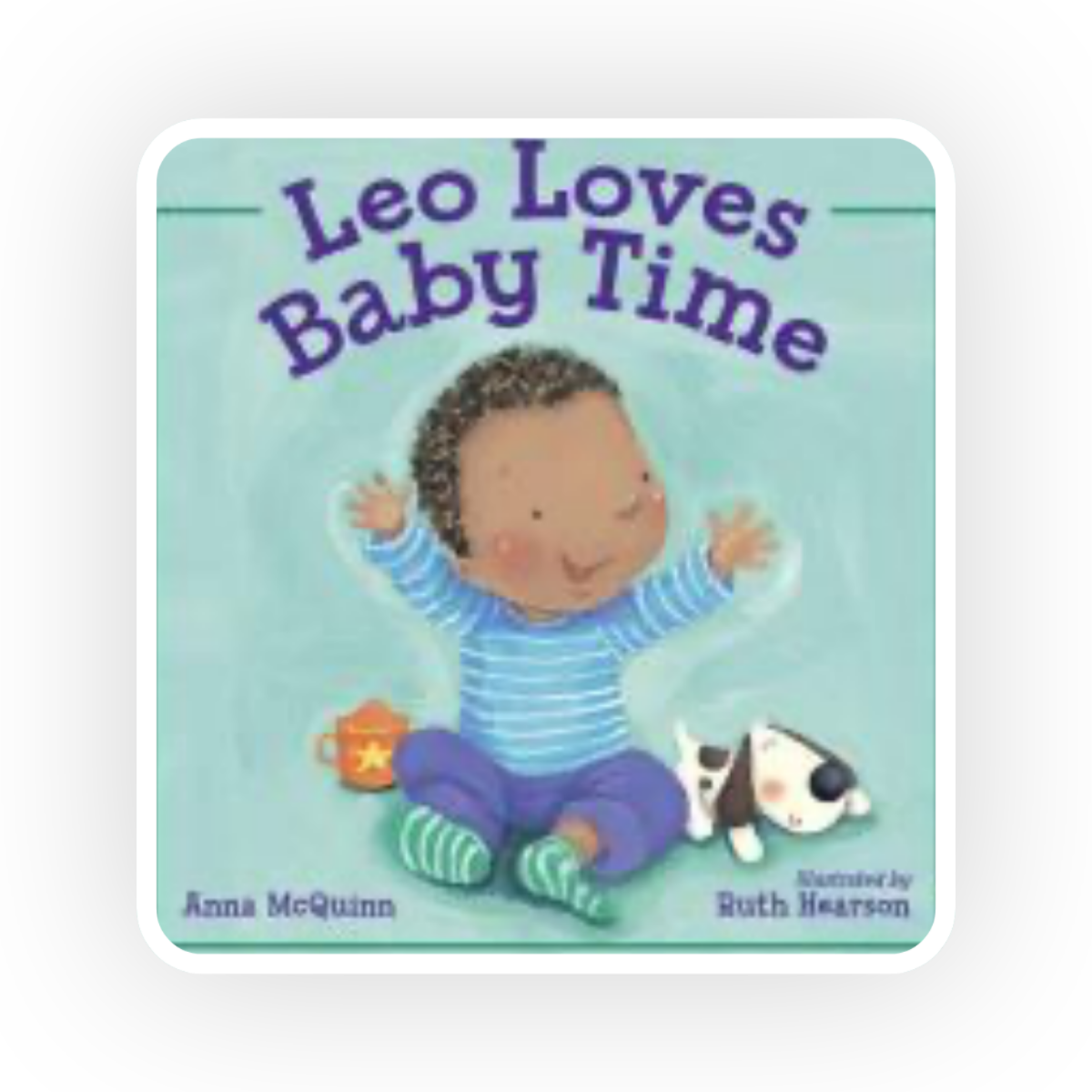
In Leo Loves Baby Time, readers follow Leo as he heads to baby time at the library where he dances to music and makes new friends.
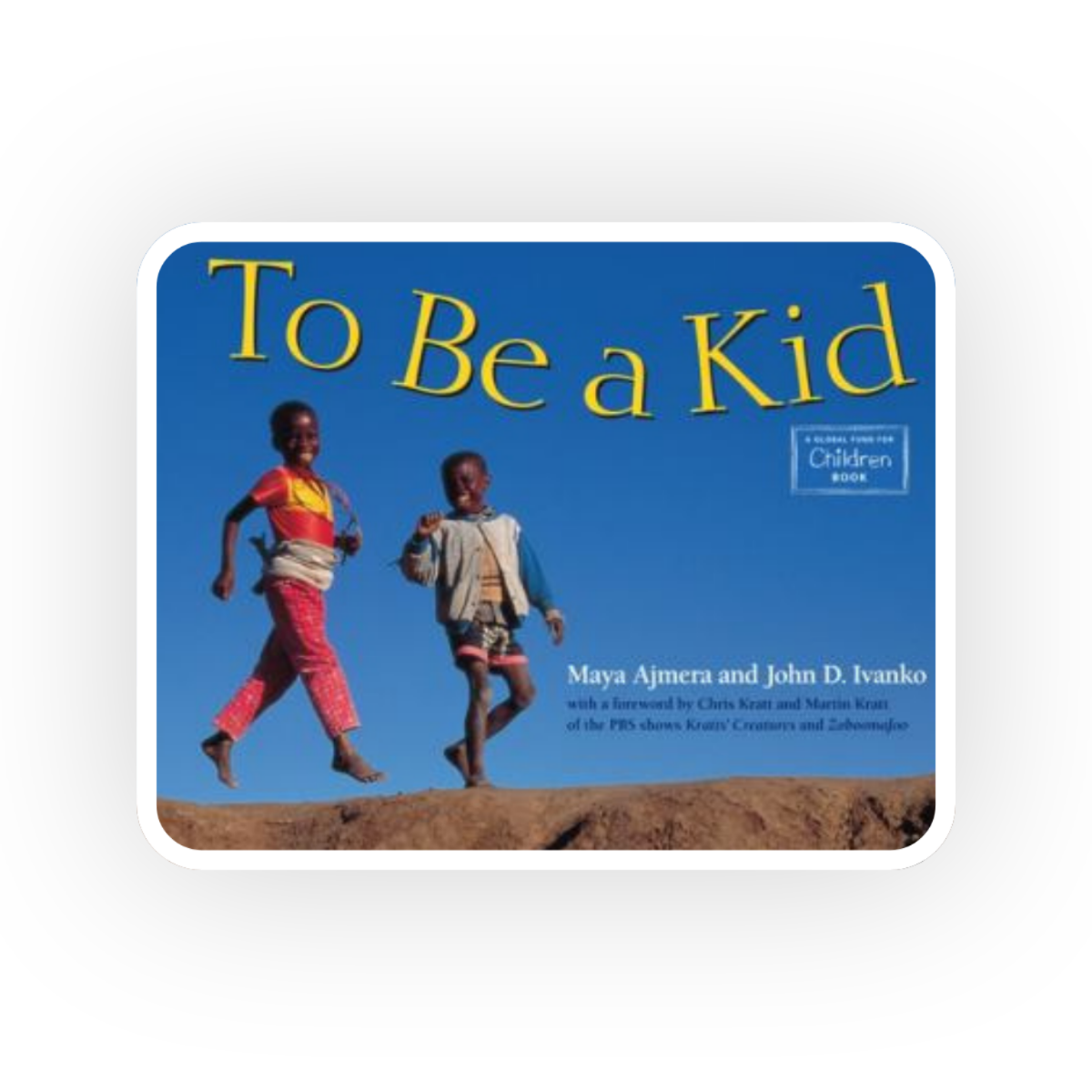
To Be a Kid follows children around the world engaging in their day to day routine.
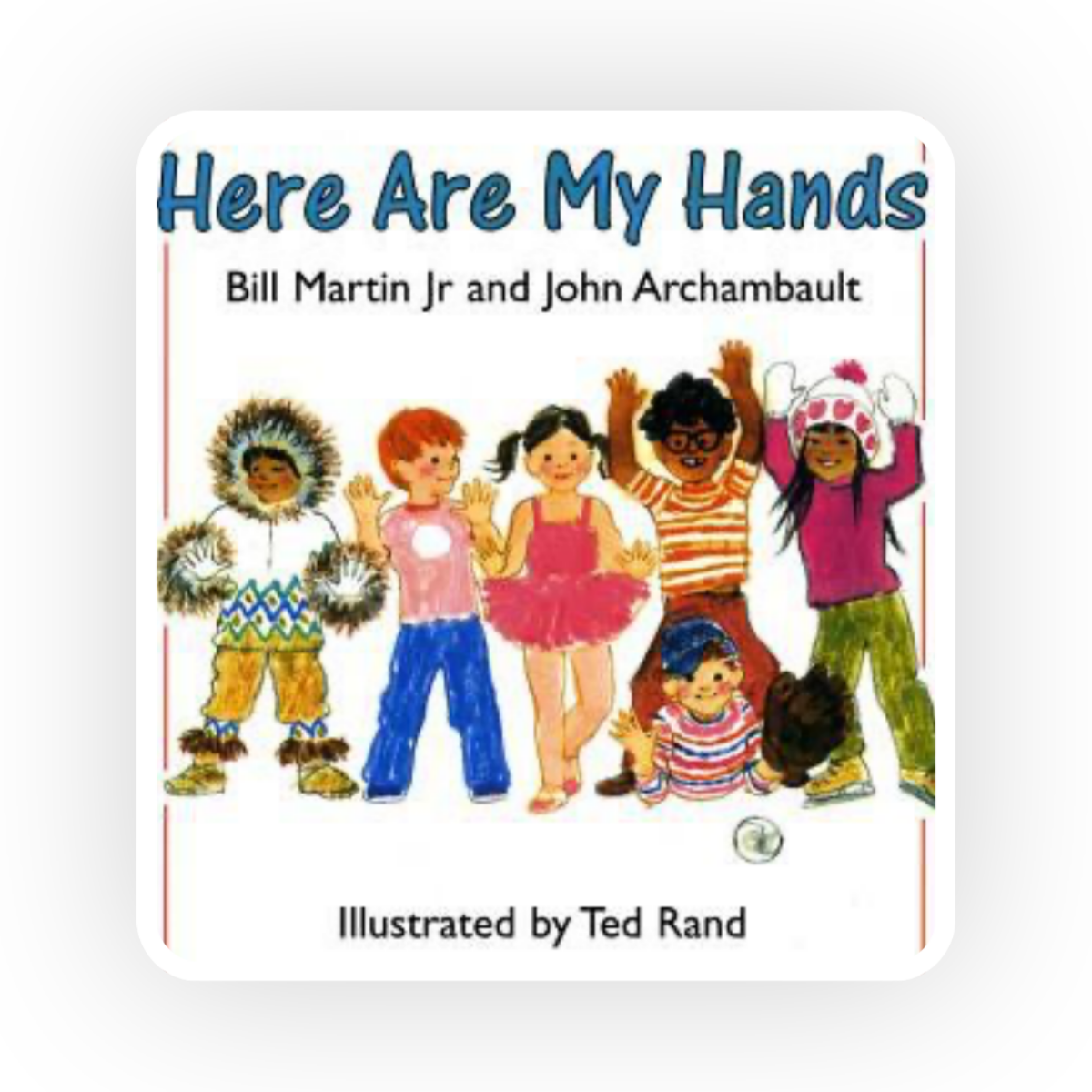
Here are My Hands features simple rhymes about body parts with illustrations depicting children from all different backgrounds.
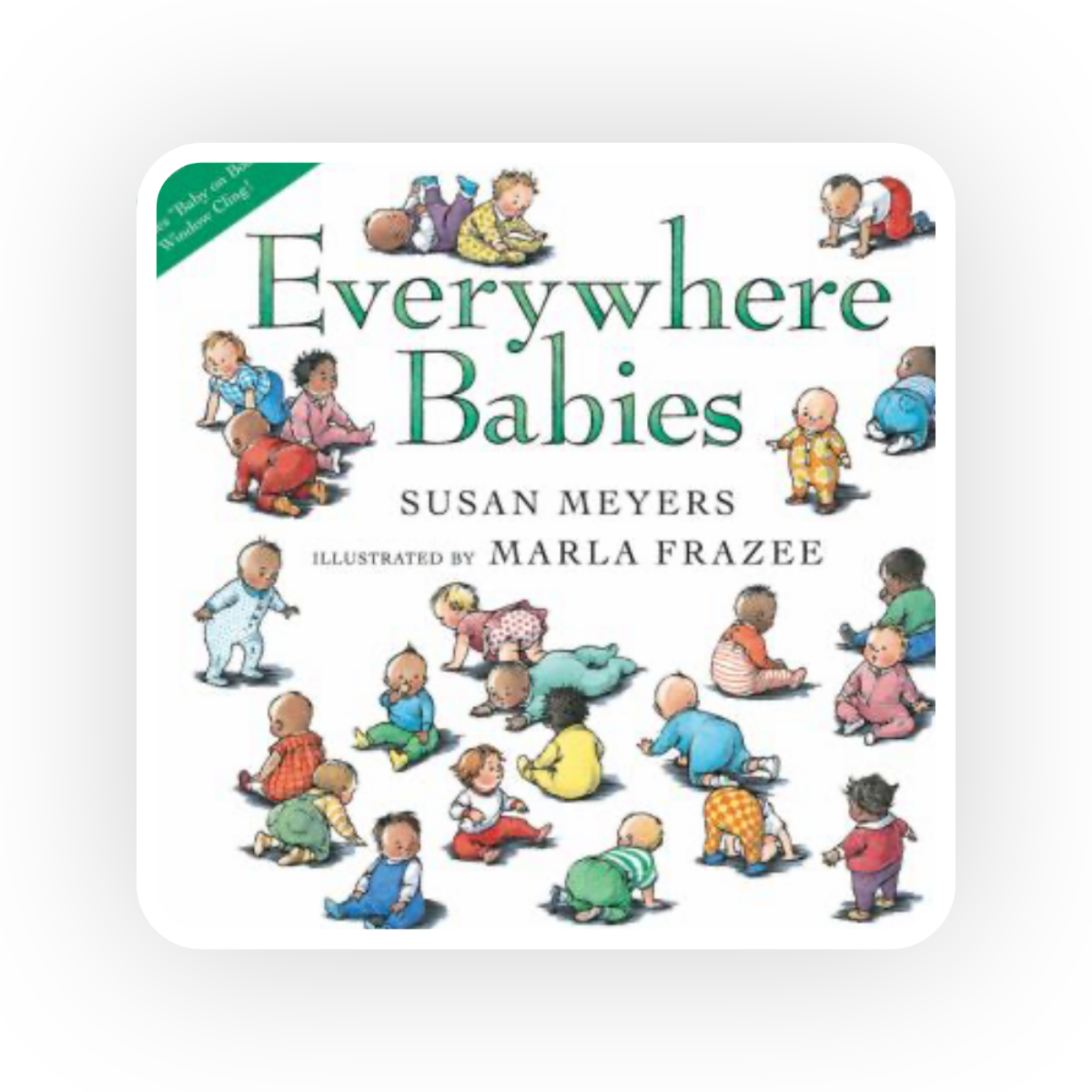
In Everywhere Babies Susan Meyers celebrates babies everywhere and all the things that they do.
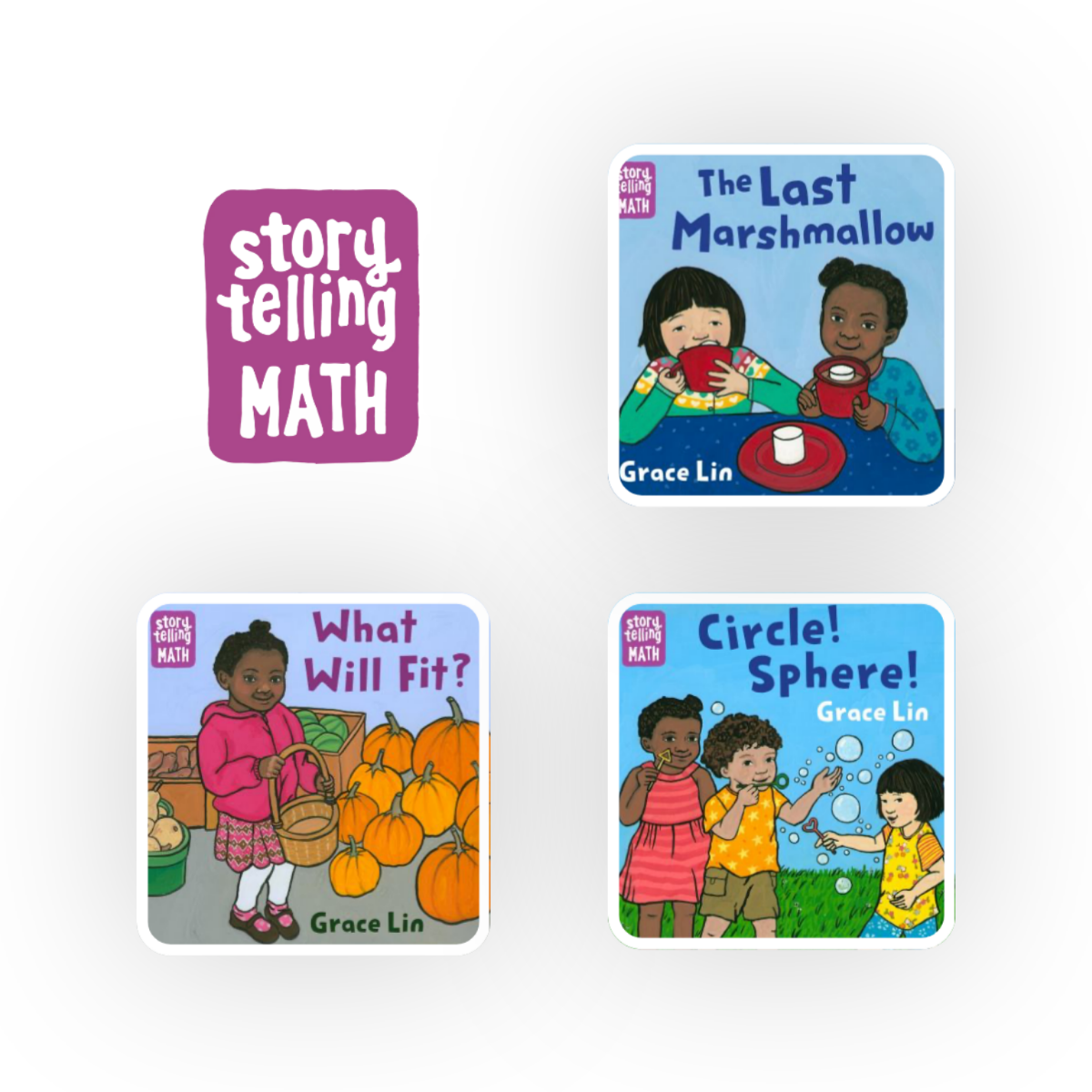
The Story Telling Math series by Grace Lin introduce young children to beginner math concepts with diverse representation.
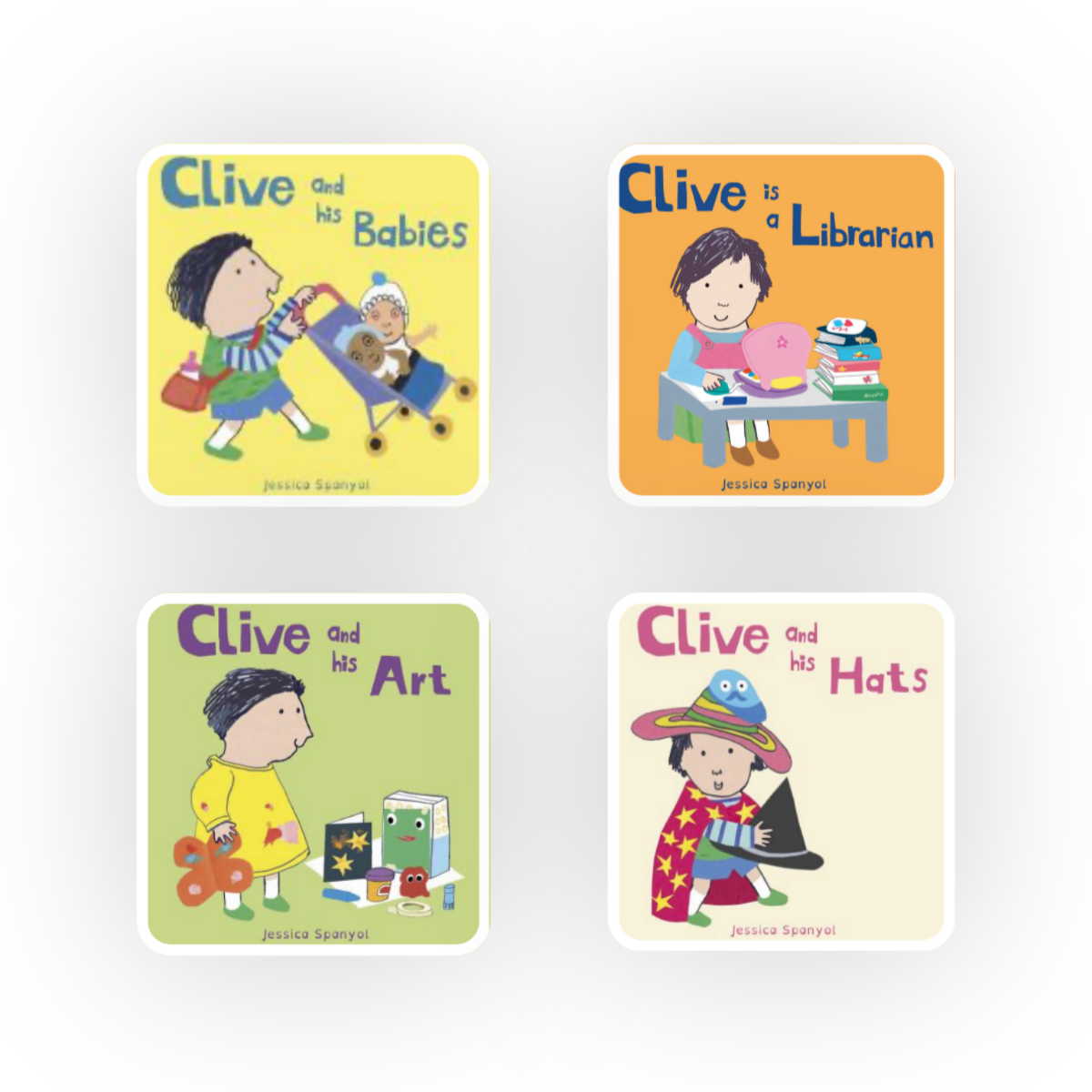
The Clive series by Jessica Spaynol celebrate diversity and challenge gender stereotypes.
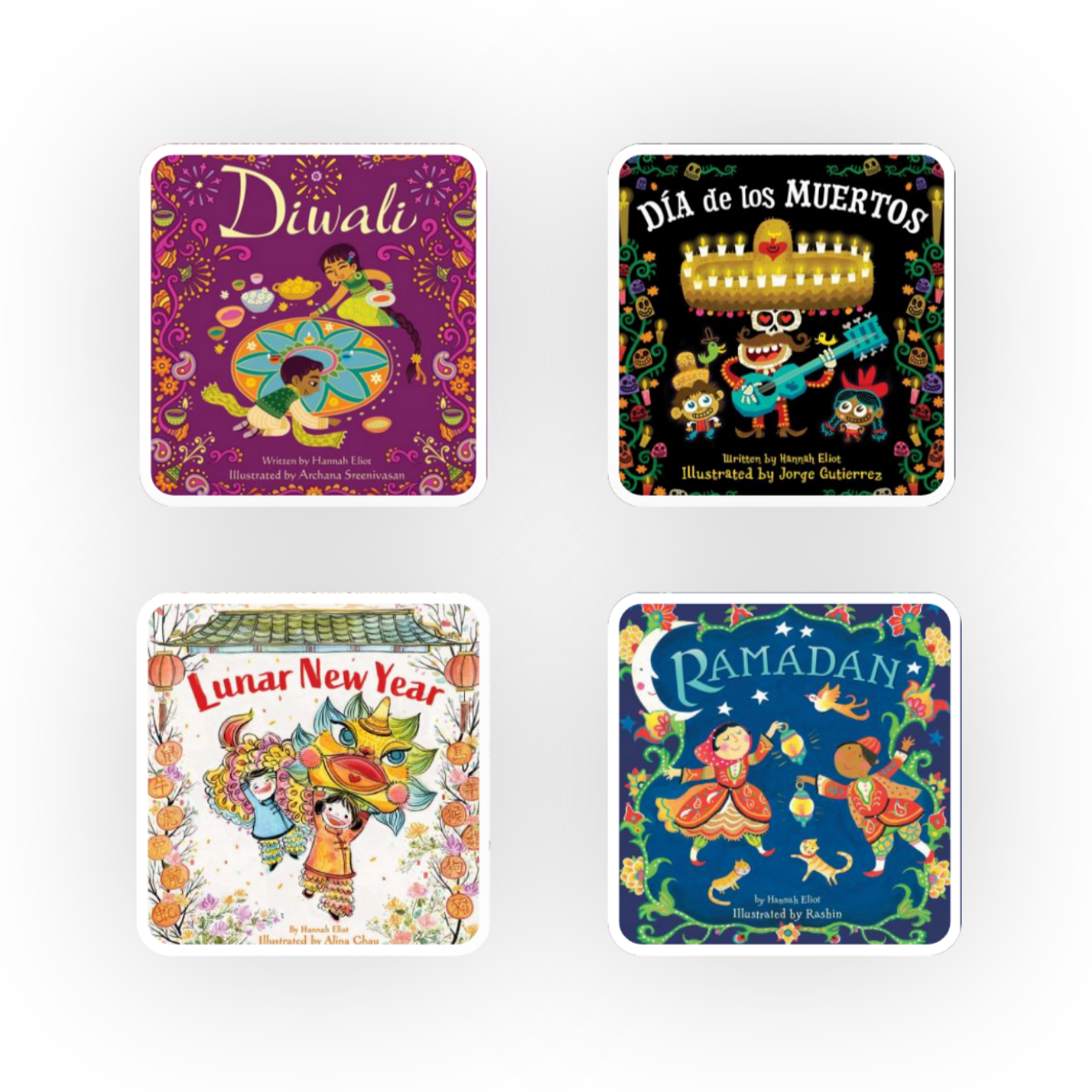
The Celebrate the World board book series by Hannah Elliot is a great introduction to holidays from all around the world.
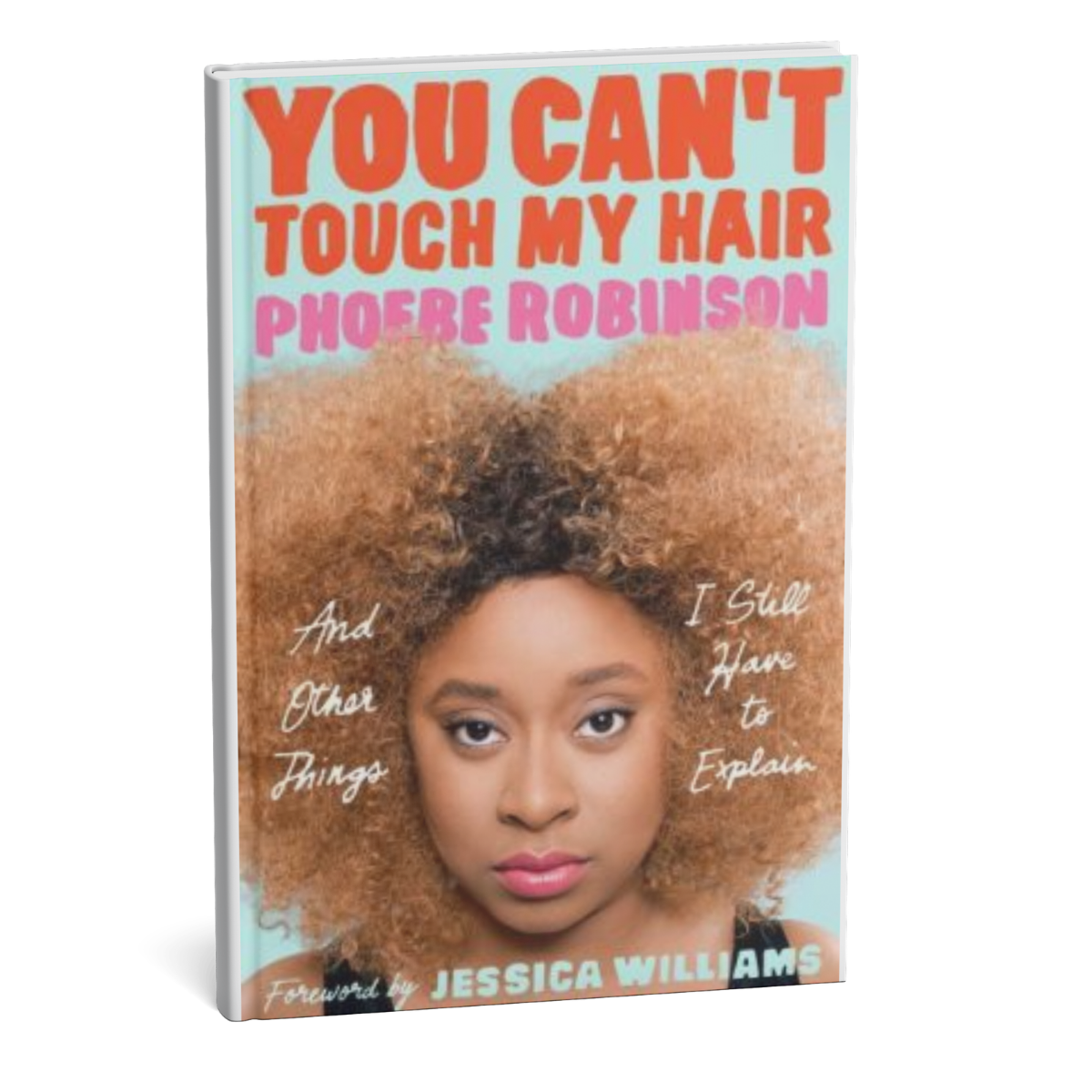
You Can’t Touch My Hair and Other Things I Still Have to Explain is a hilarious and timely essay collection about race, gender, and pop culture from comedy superstar and 2 Dope Queens podcaster Phoebe Robinson.
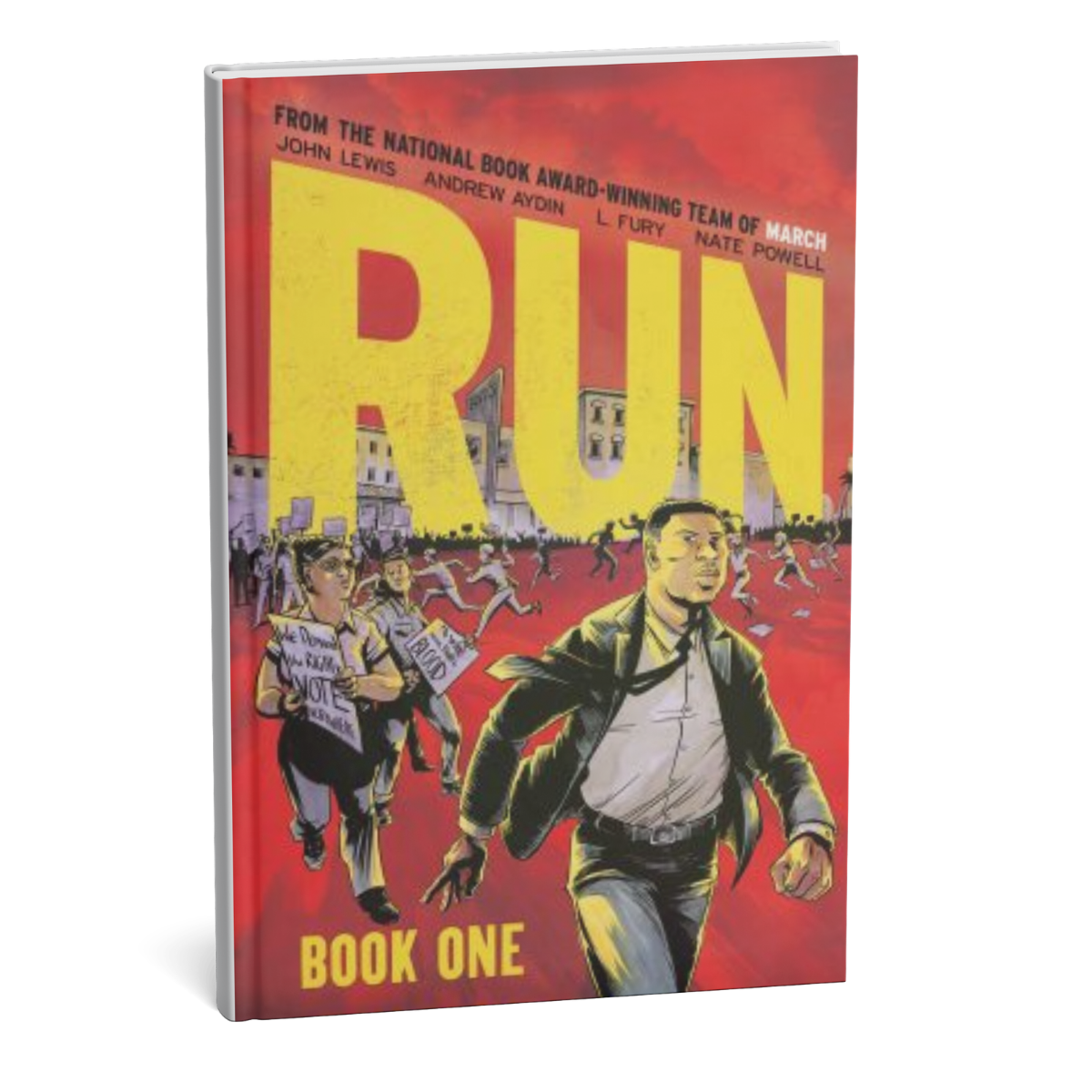
Run is a graphic novel that follows the life story of John Lewis and the struggles happening across the United States after the Selma voting rights campaign.
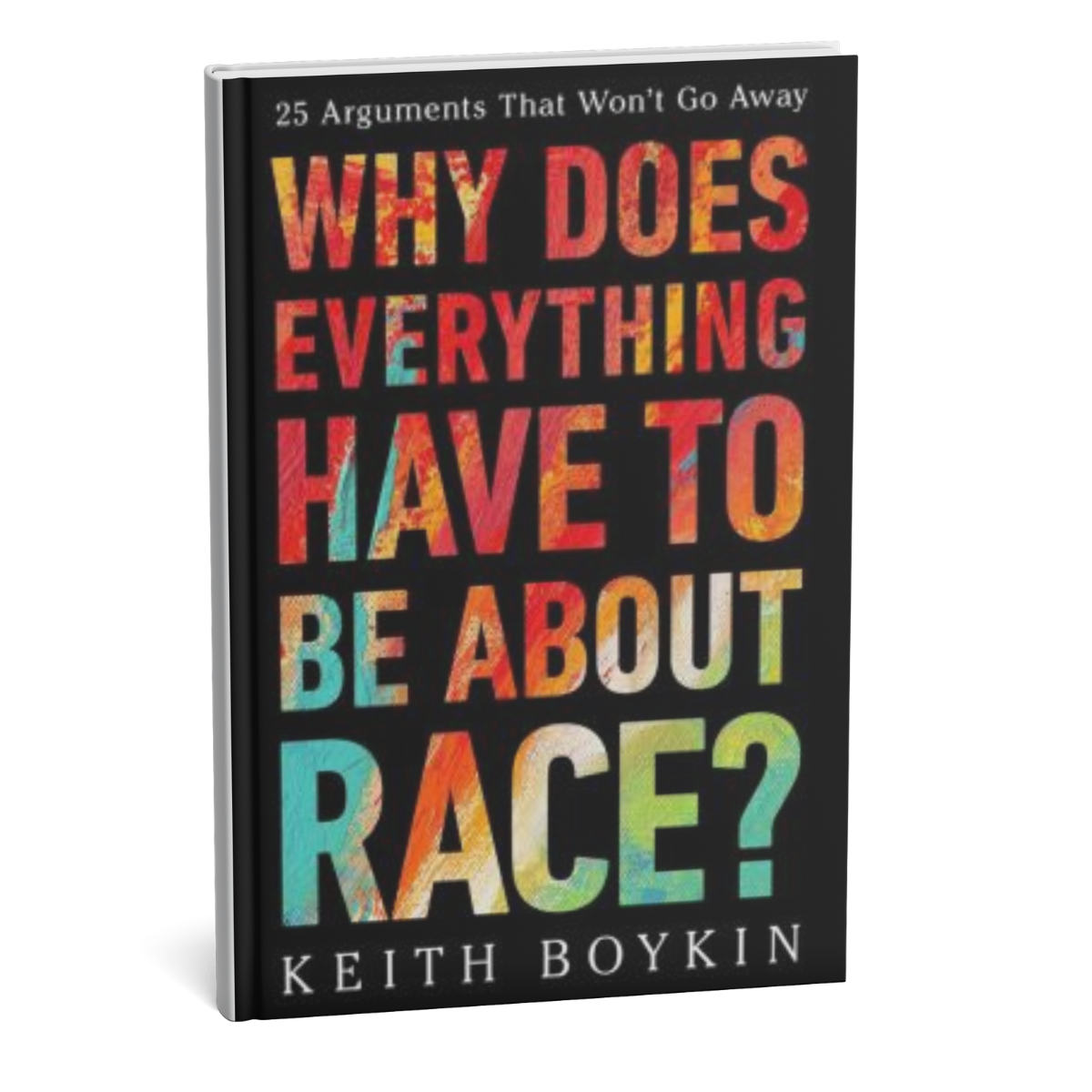
In Why Does Everything Have to be About Race? twenty-five of the most common claims used to refute America’s racist past and present are debunked to help readers fight back against misinformation and ignorance.
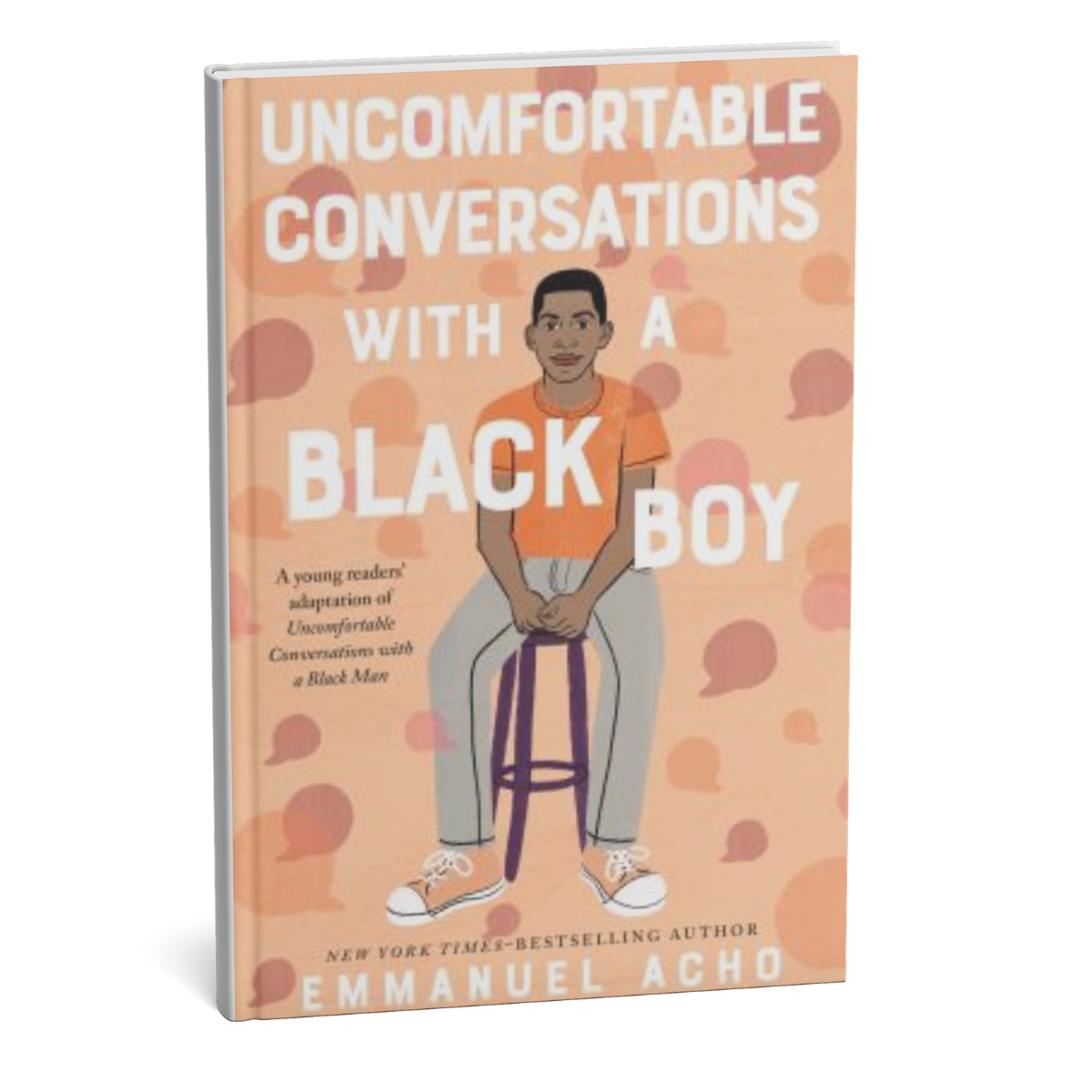
In Uncomfortable Conversations With a Black Boy, the author connects his own experience with race and racism―from attending majority-white prep schools to his time in the NFL playing on majority-black football teams―to insightful lessons in Black history and Black culture.
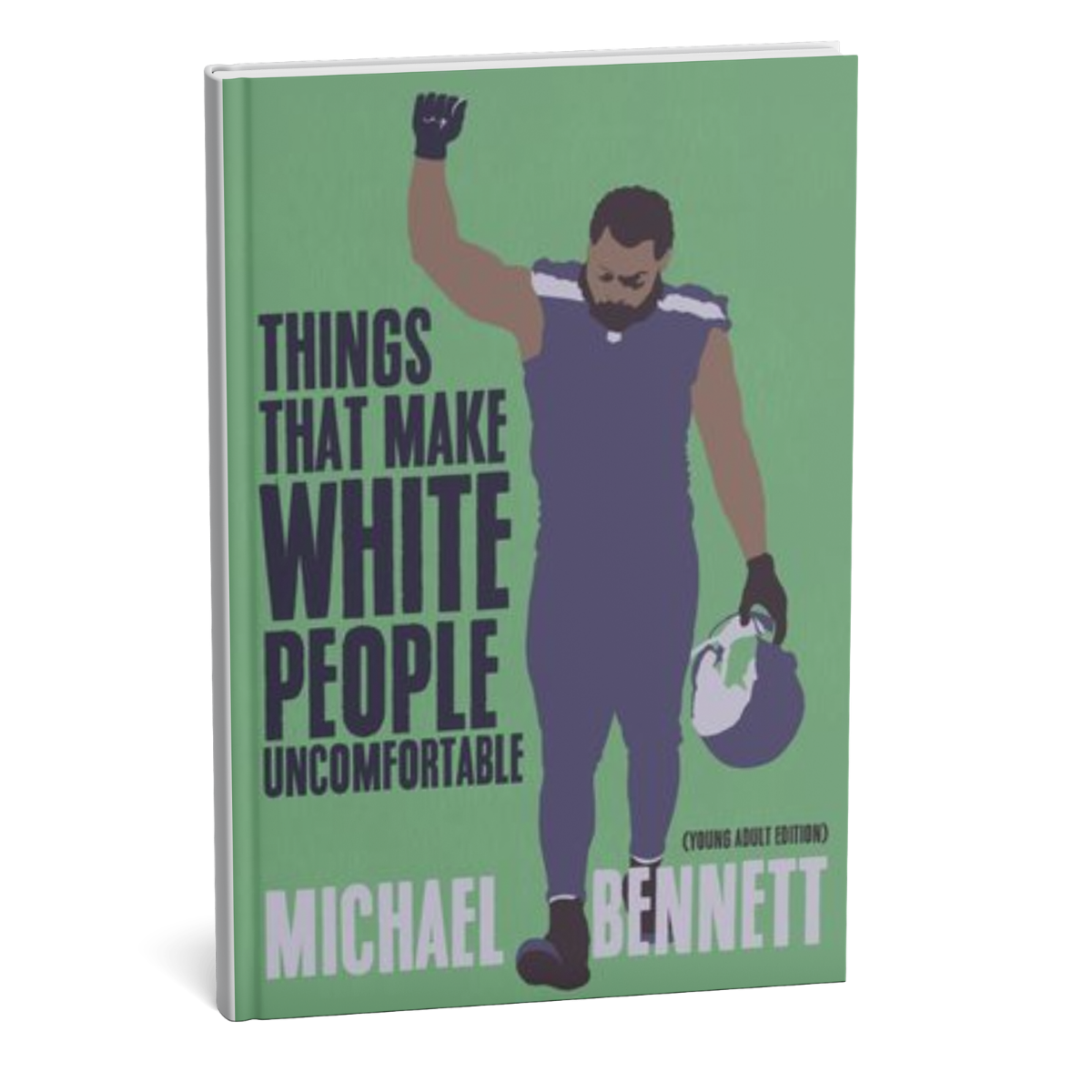
Things That Make White People Uncomfortable dives into the struggles of race, equality, and the power of sports, challenging readers to think critically about social justice while mixing in personal stories and humor.
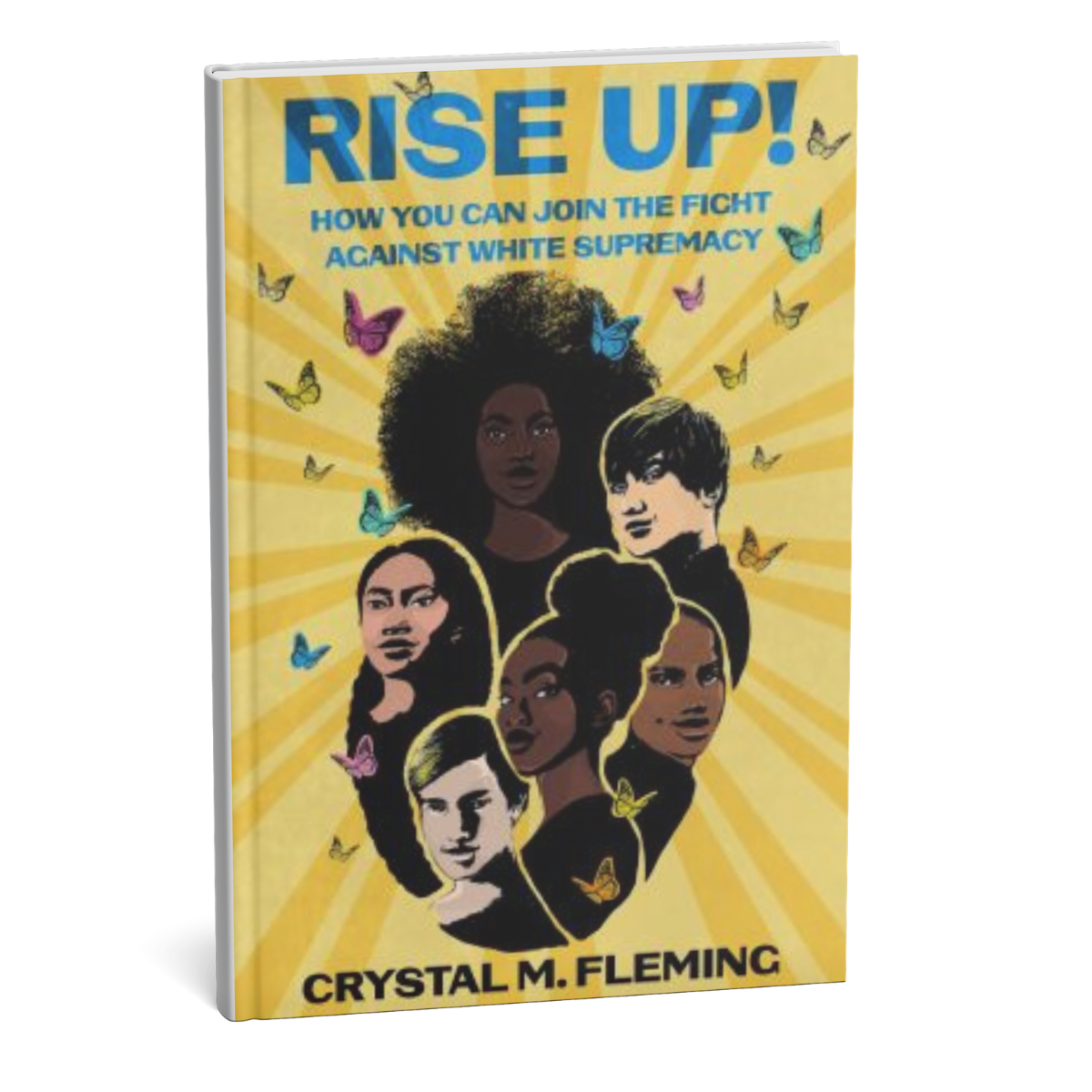
Rise Up! explores the roots of racism and its legacy in today’s modern world, all while empowering young people with actionable ways they can help foster a better world and become antiracists.
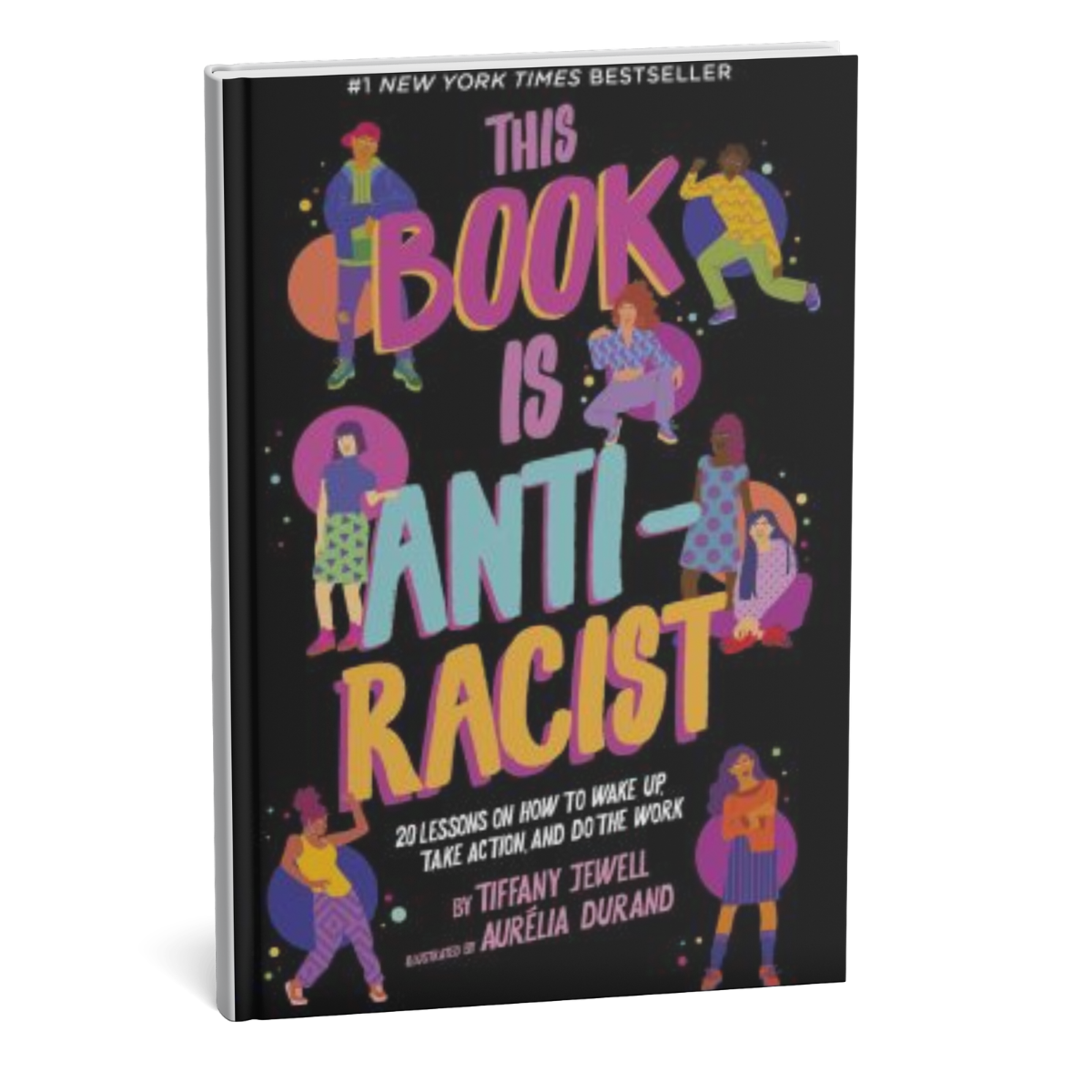
This Book Is Anti-Racist empowers young readers to understand and challenge racism by providing tools for self-reflection, critical thinking, and actionable steps toward creating a more equitable society.
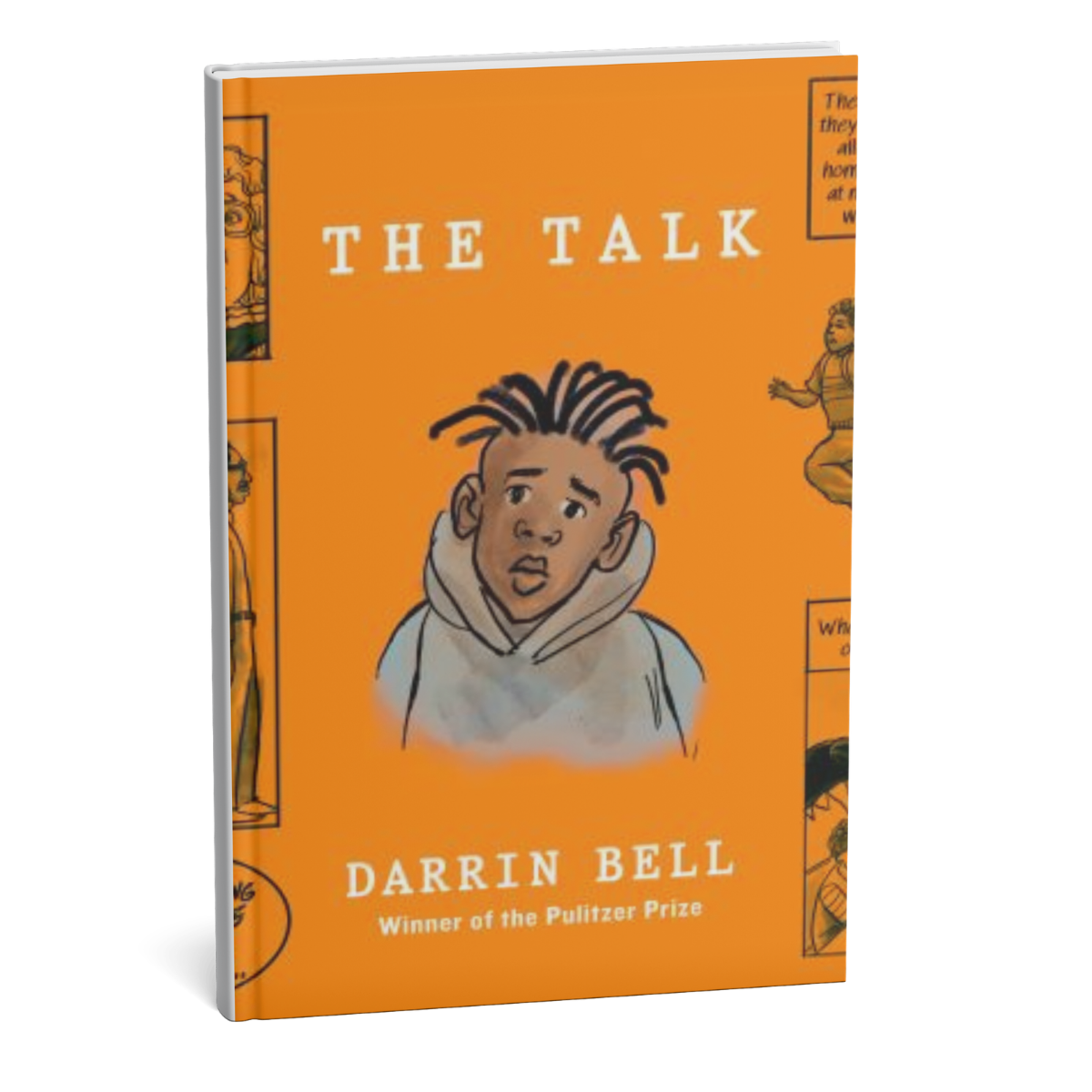
The Talk is a powerful graphic novel that explores the important and tough conversations parents must have with their young Black kids about race, identity, and staying safe in a world that doesn’t always understand them.
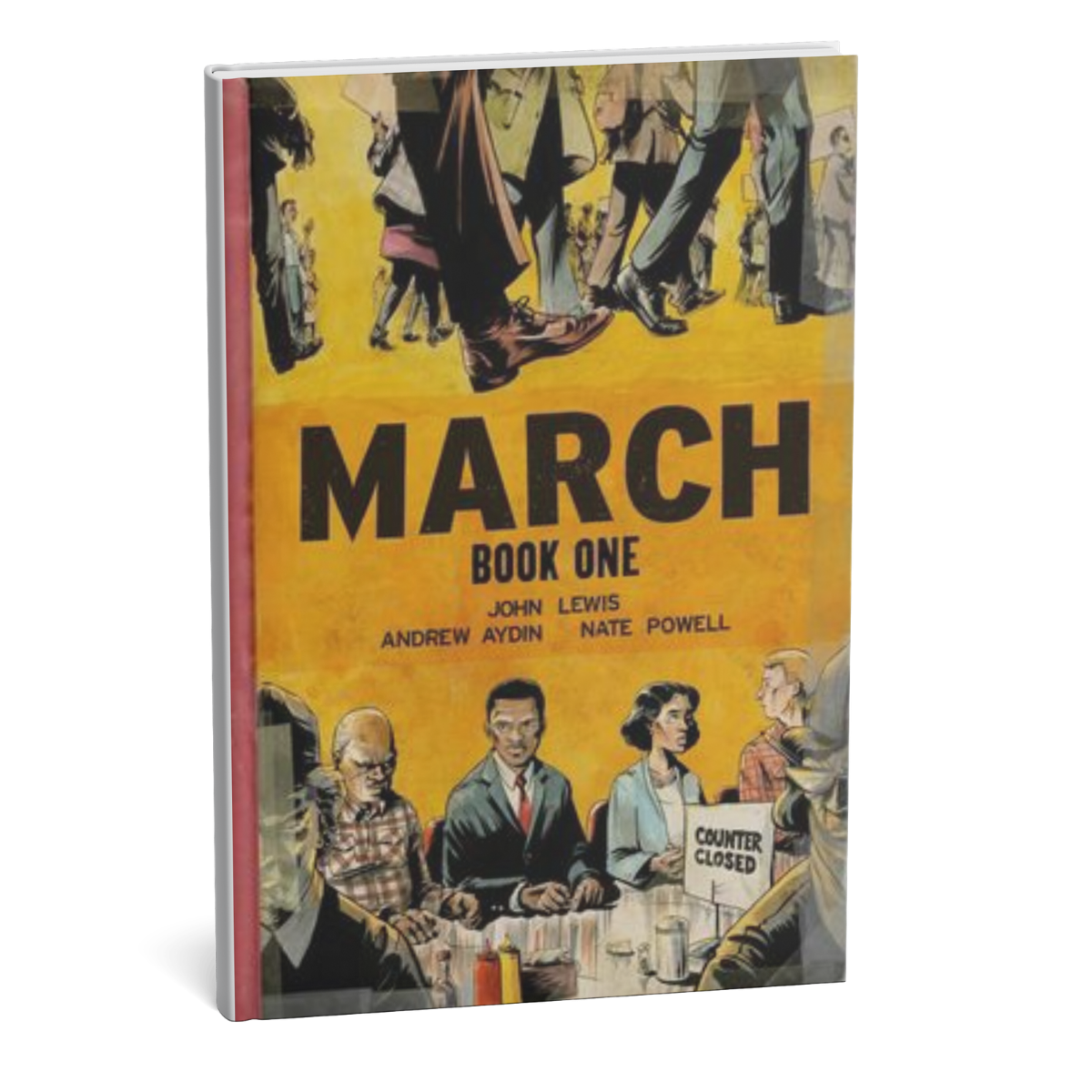
March is a powerful graphic novel that tells the inspiring story of the Civil Rights Movement through the eyes of a young activist, highlighting courage, resilience, and the fight for justice.
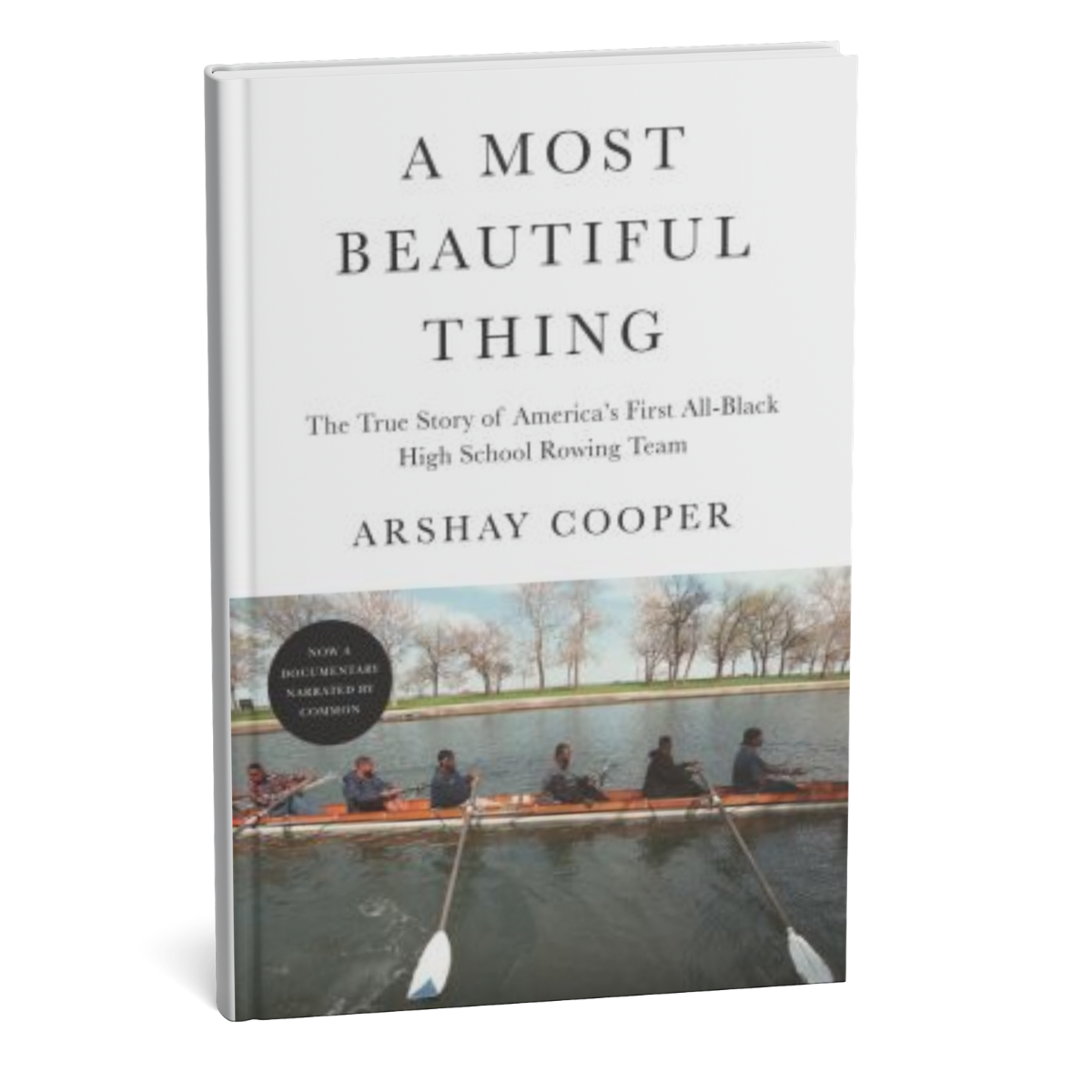
A Most Beautiful Thing is the inspiring true story of a group of young men growing up on Chicago’s West side who form the first all-Black high school rowing team in the nation, and in doing so not only transform a sport, but their lives.
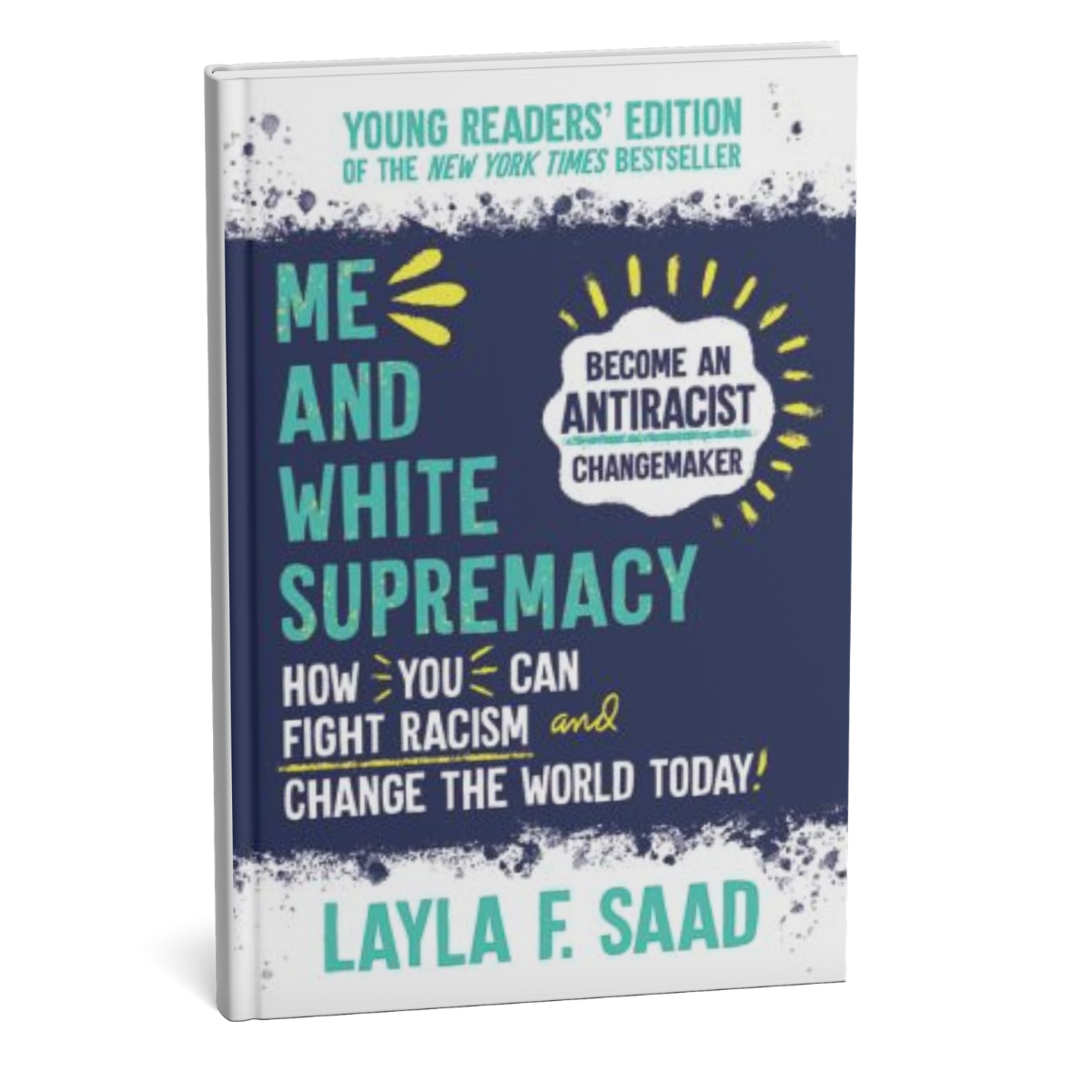
Me and White Supremacy is a guided reflection that helps readers recognize and challenge their own biases and the ways racism affects society, encouraging us to take action for a more just world.
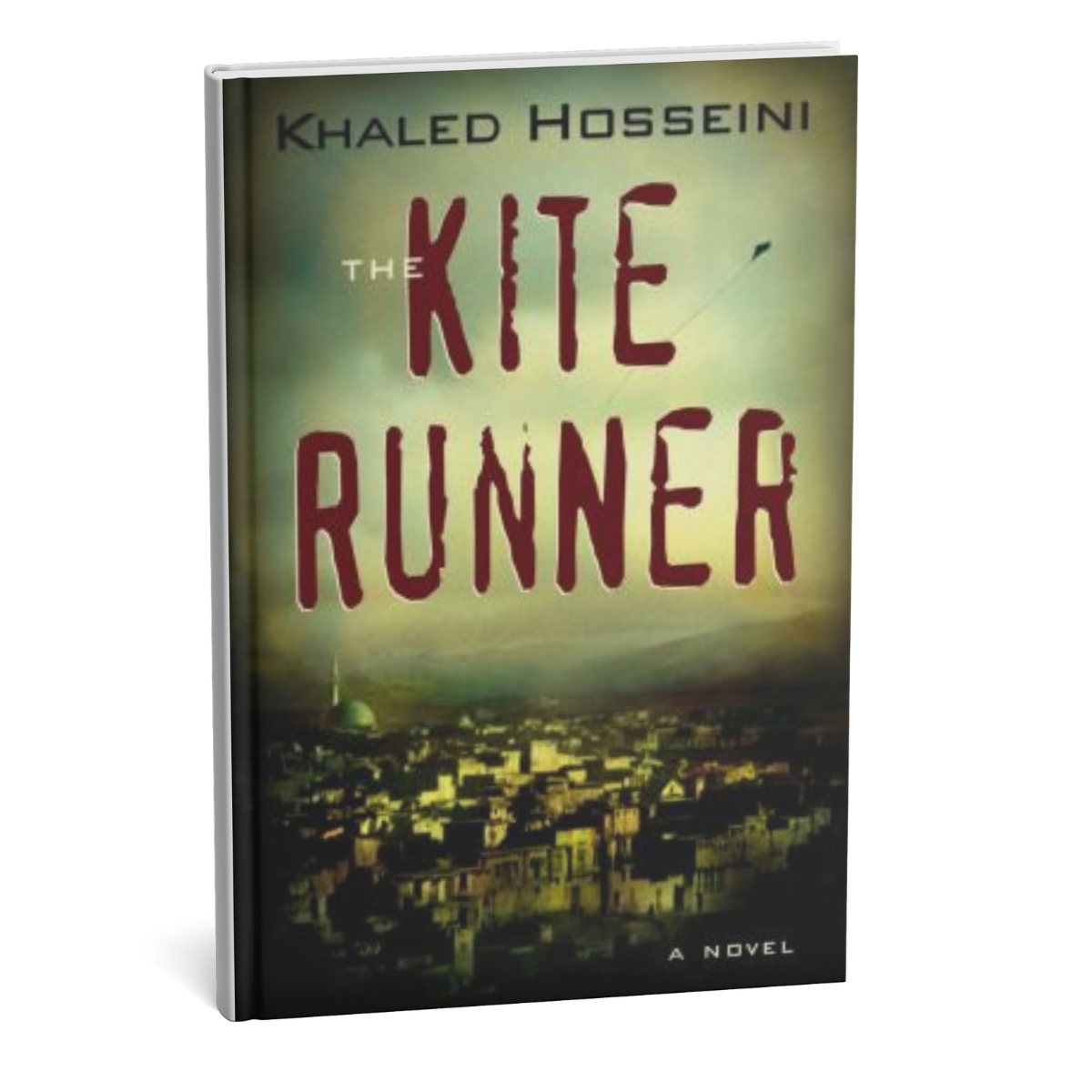
The Kite Runnerfollows a young Afghani boy named Amir as he navigates his childhood in Afghanistan and is forced to begin a new life as a refugee in the United States.
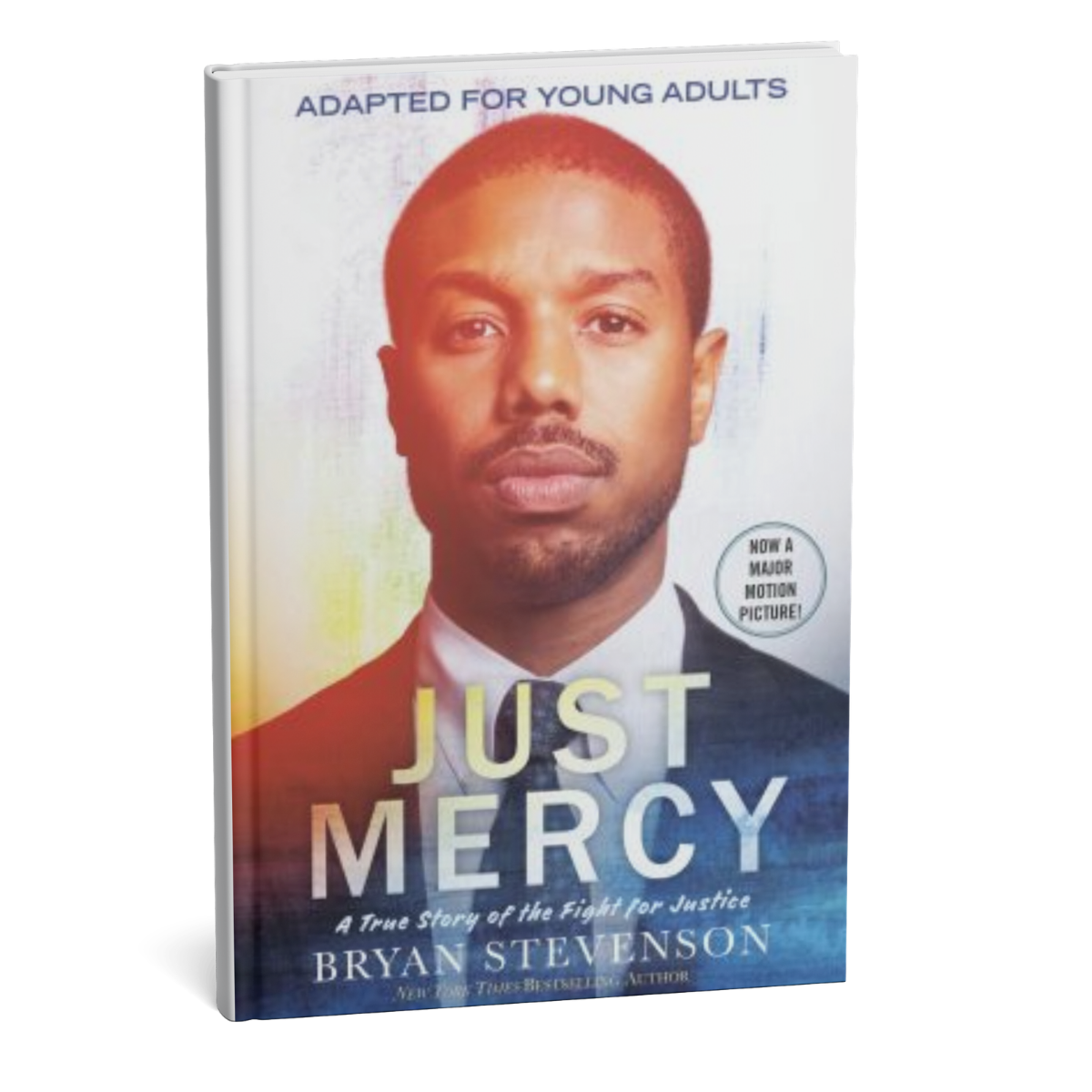
Just Mercy is a powerful true story about fighting for justice and compassion in the American legal system, focusing on the case of a wrongfully convicted man and the importance of empathy and understanding in creating change.
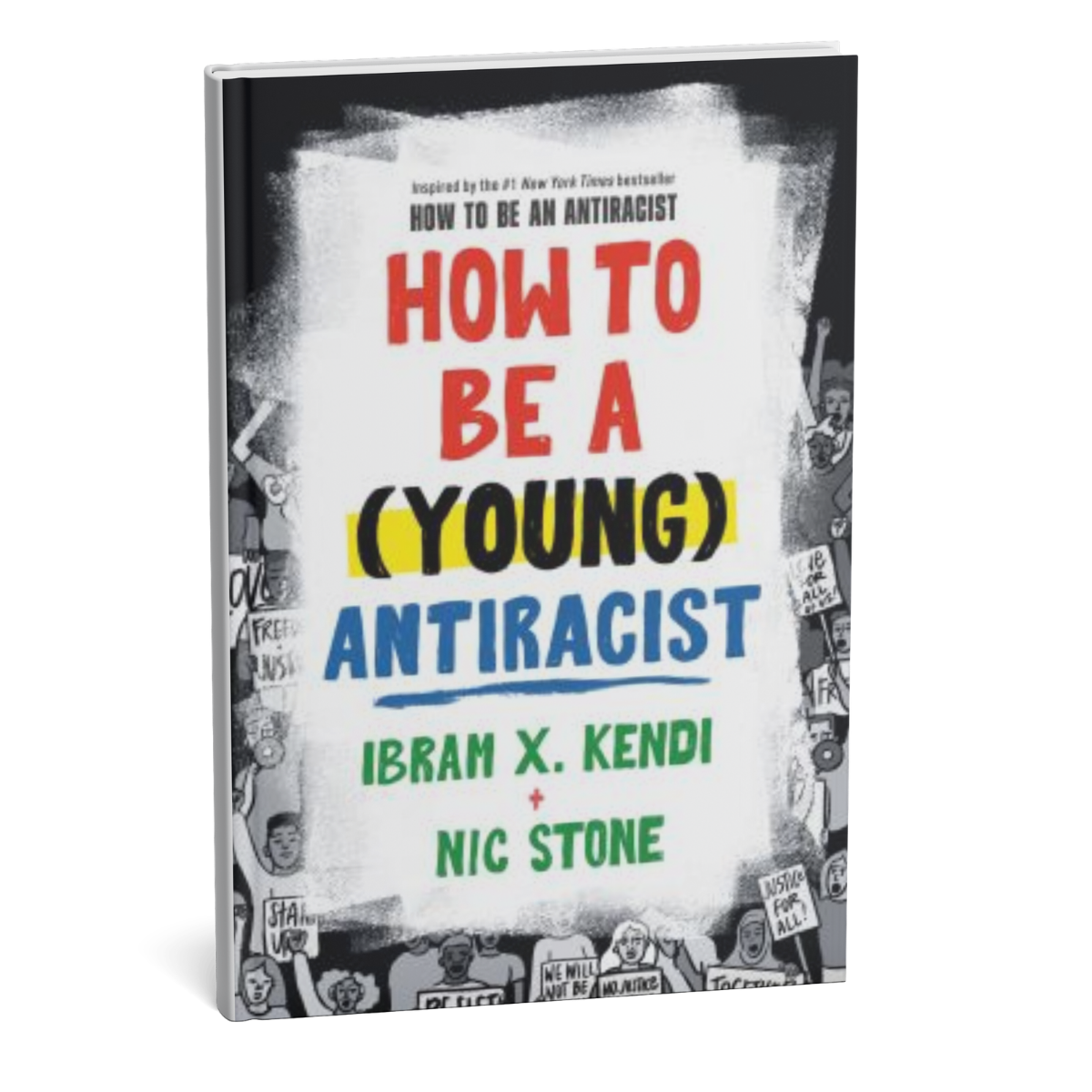
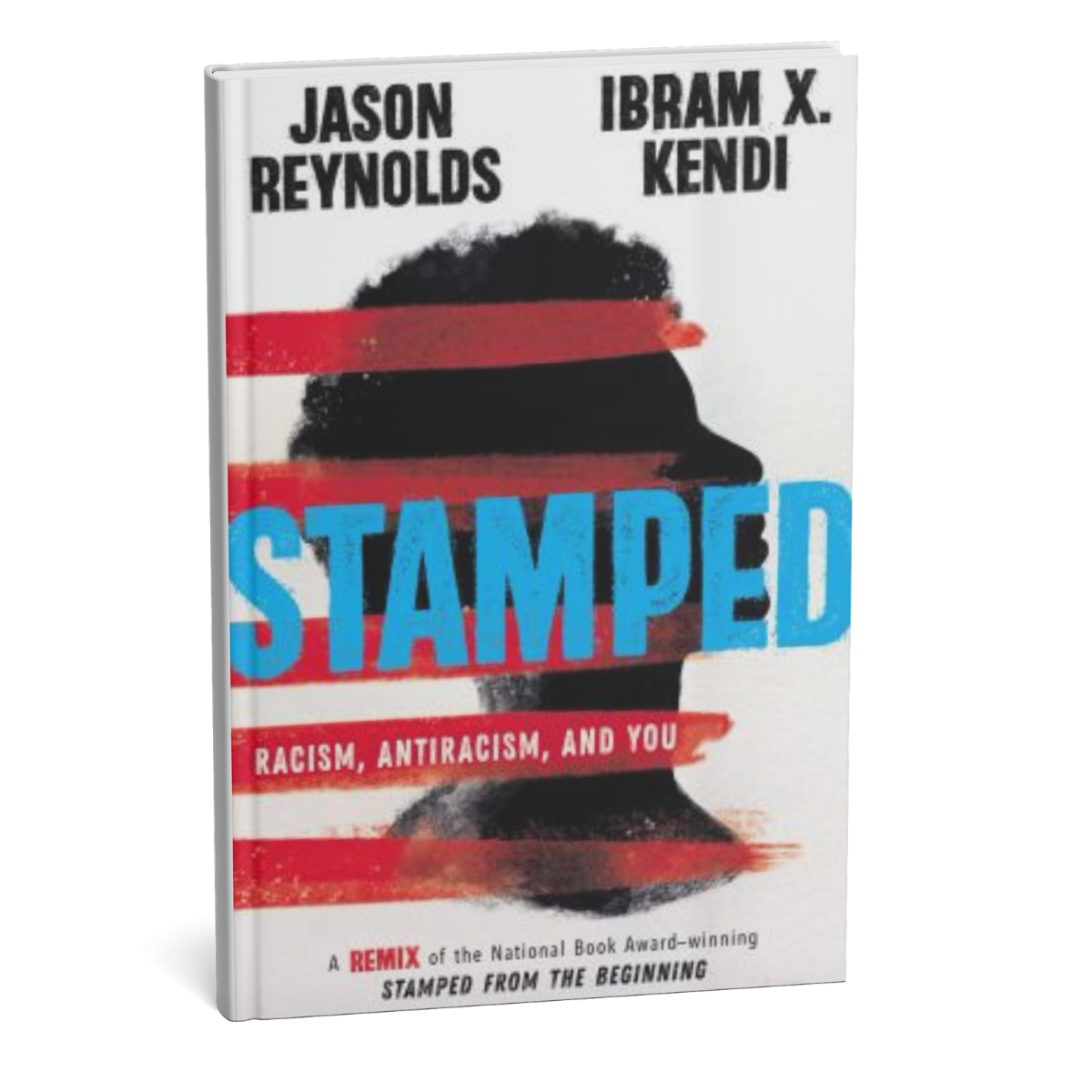
How to Be an Antiracist teaches us that being an antiracist means actively fighting against racism and understanding that we can all work together to create a fairer and more equal world for everyone.
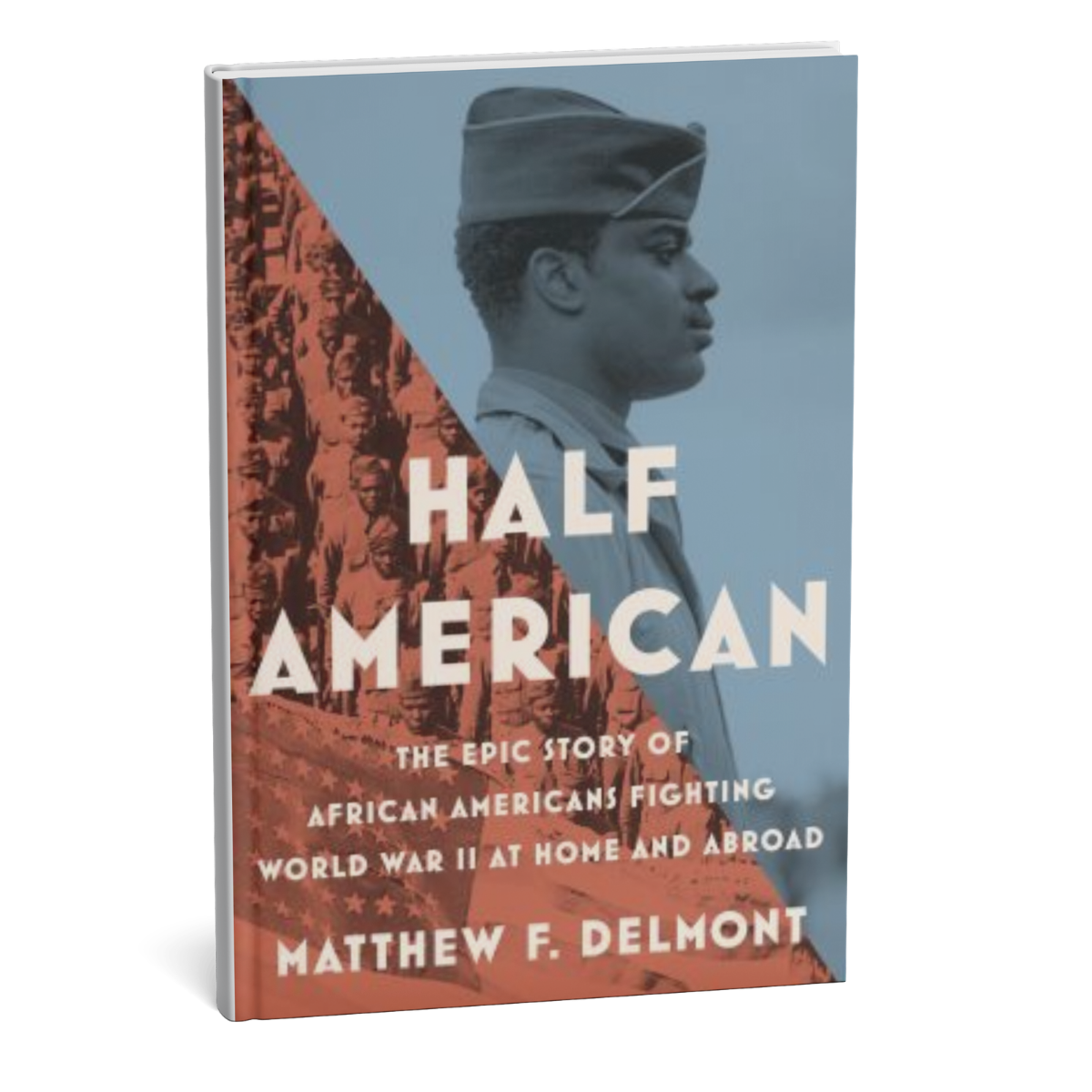
Half American explores the often-overlooked history of the over one million Black Americans who served in World War II, highlighting their contributions and struggles for equality during a time of war.
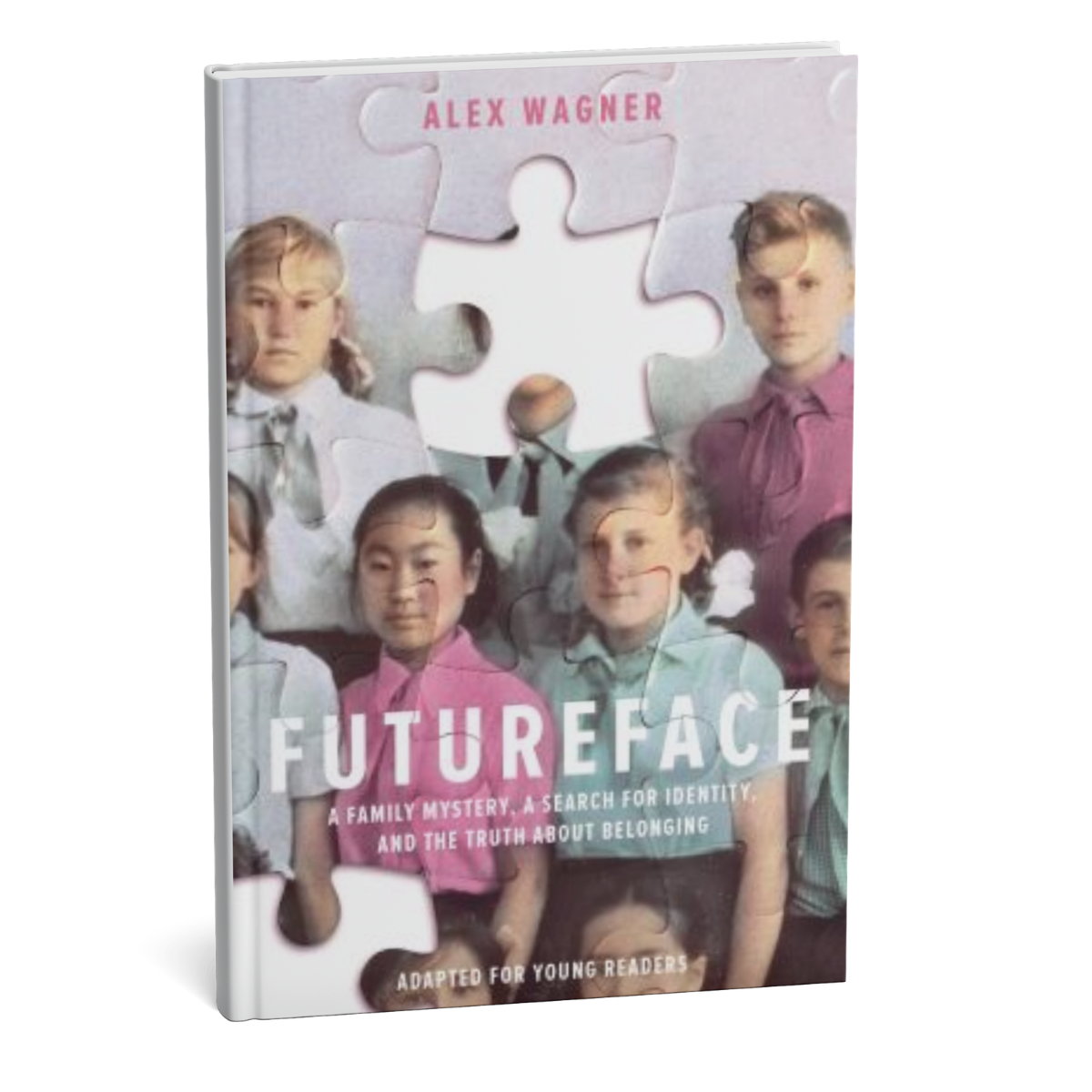
Futureface explores author Alex Wagner’s journey to uncover her family’s multicultural heritage and the complexities of identity, belonging, and the search for personal roots in a diverse world.
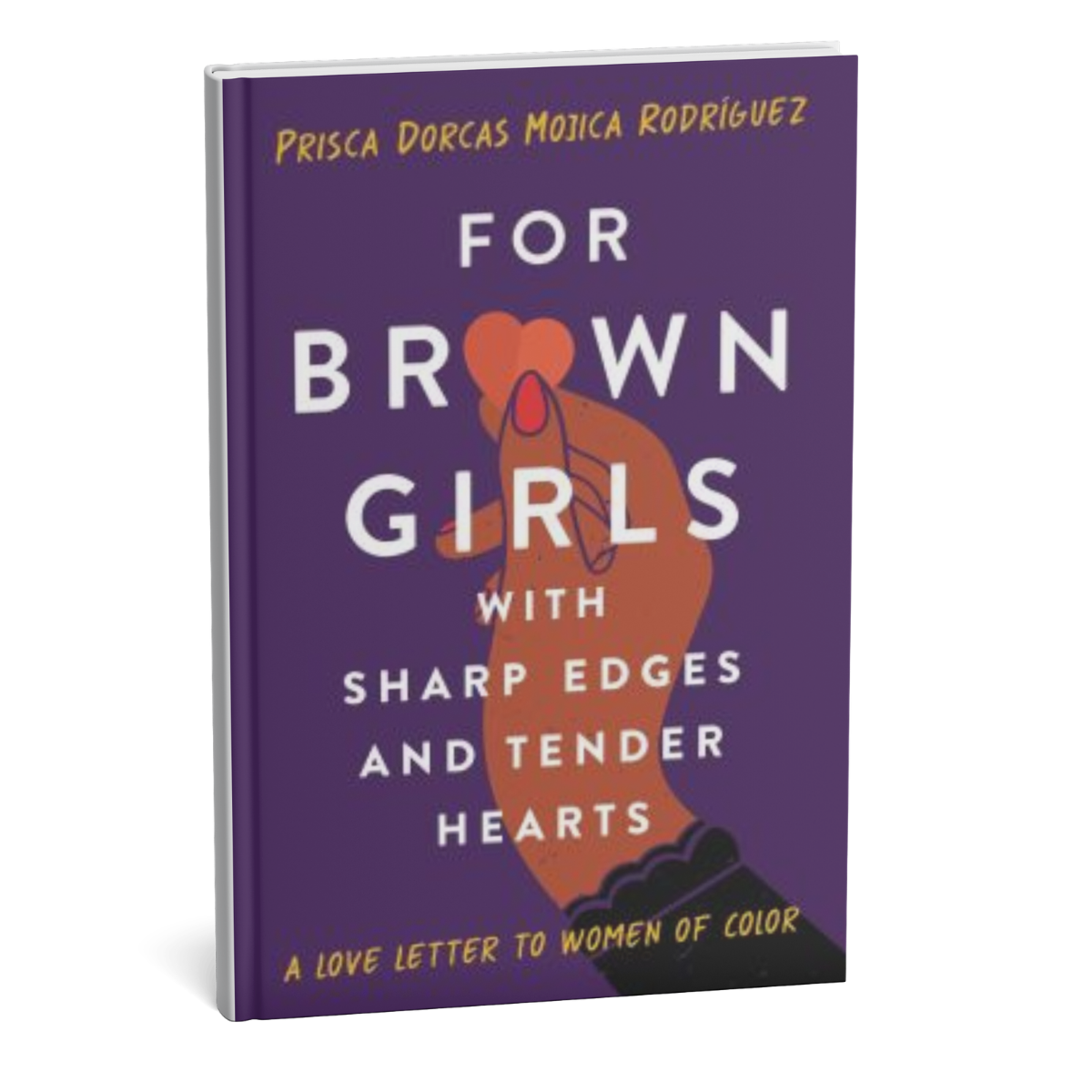
For Brown Girls with Sharp Edges and Tender Hearts is a heartfelt and empowering collection of essays that explores the complexities of growing up as a brown girl, celebrating resilience, identity, and the unique challenges faced in a world that often overlooks their voices.
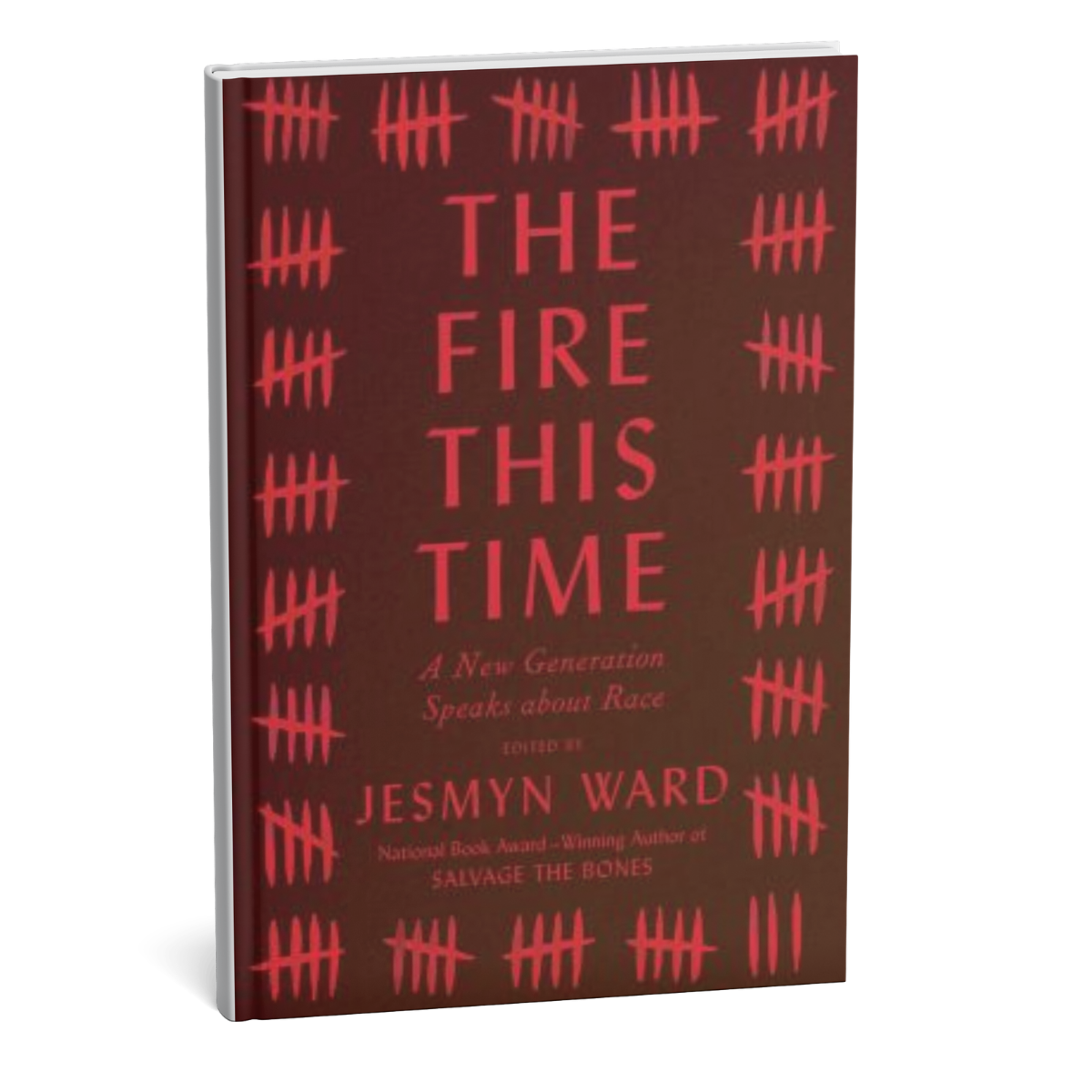
The Fire This Time: A New Generation Speaks About Race is a powerful collection of essays and poems by contemporary writers reflecting on the past, present, and future of race in America while inspiring readers to think deeply about identity, justice, and change in today’s world.
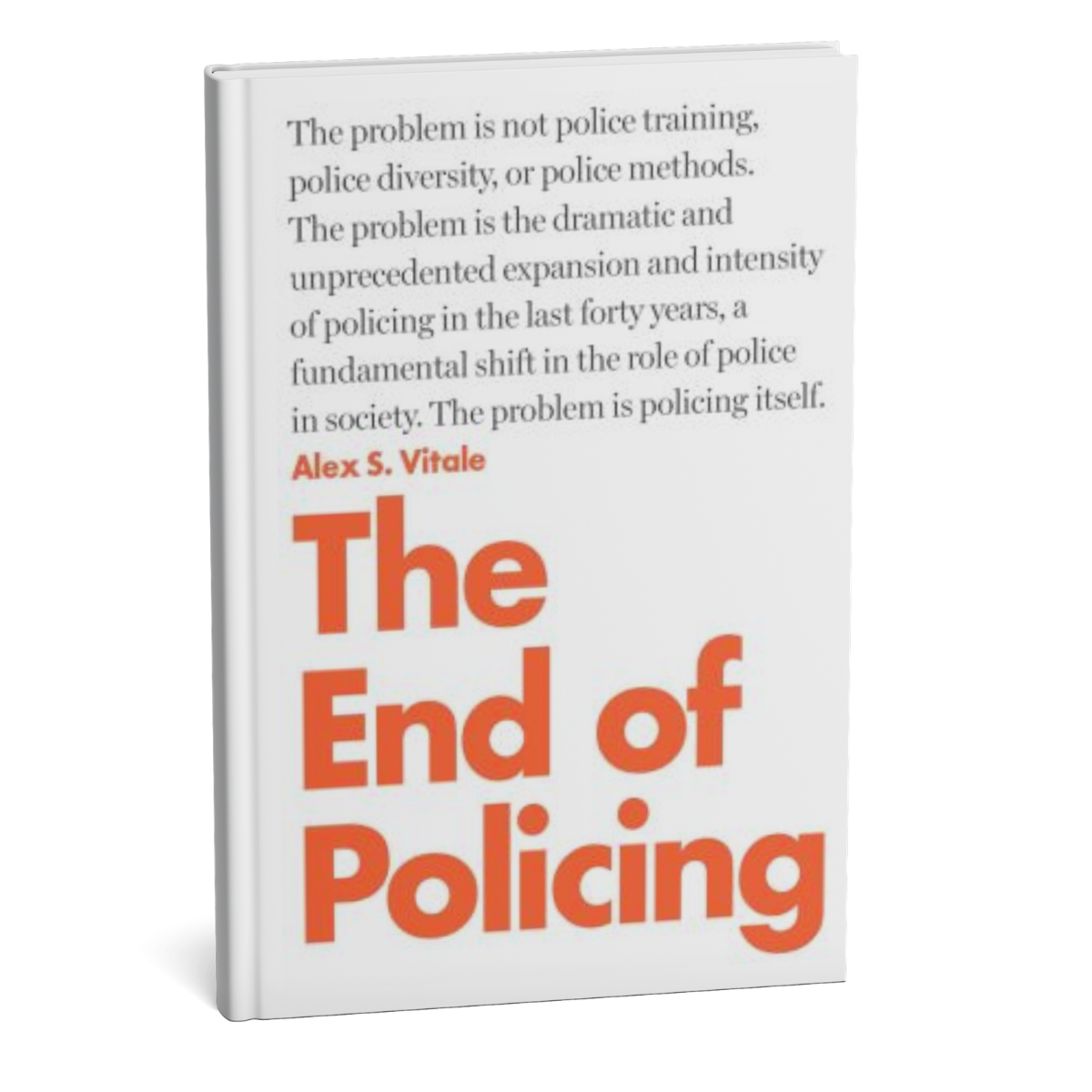
In the End of Policing, Alex Vitale argues for comprehensive systematic reform highlighting the disproportionate impact of current policing strategies on minority communities.
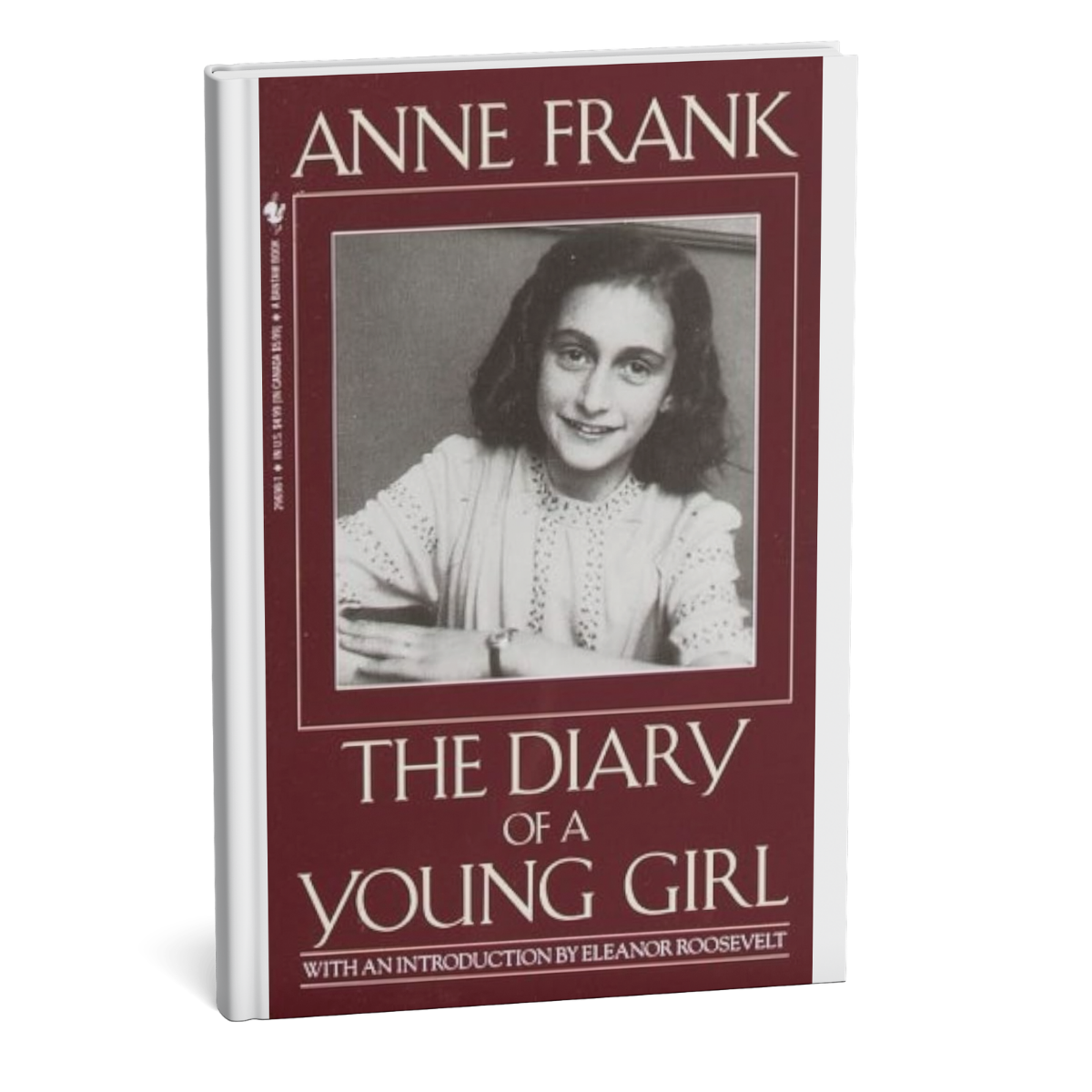
Anne Frank’s writings chronicle her 2 years of hiding during the Nazi occupation of the Netherlands before being discovered and taken to a concentration camp.
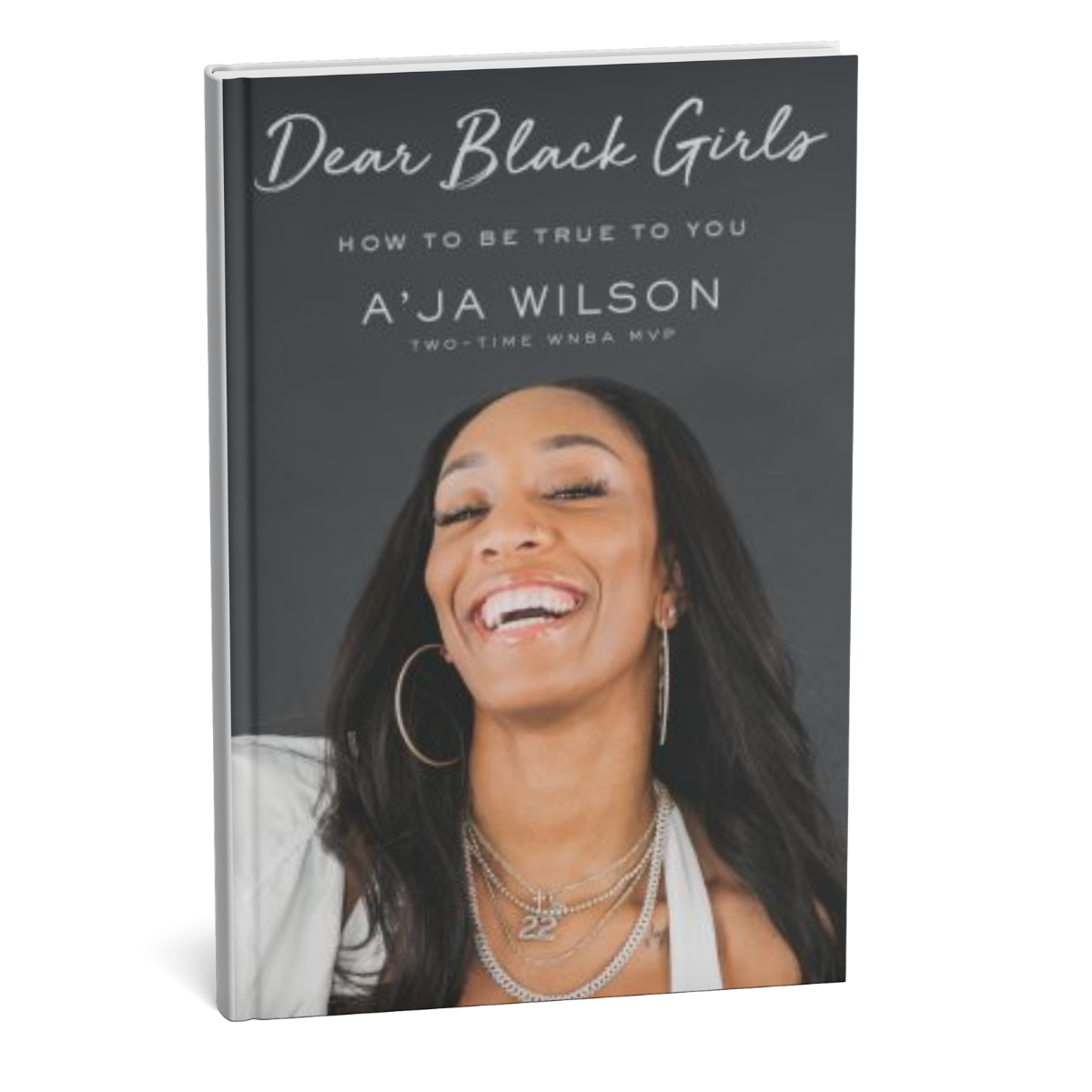
In Dear Black Girls: How to Be True to You WNBA MVP A’ja Wilson encourages young Black girls to embrace their unique identities, celebrate their strengths, and navigate the challenges of growing up with confidence and self-love.
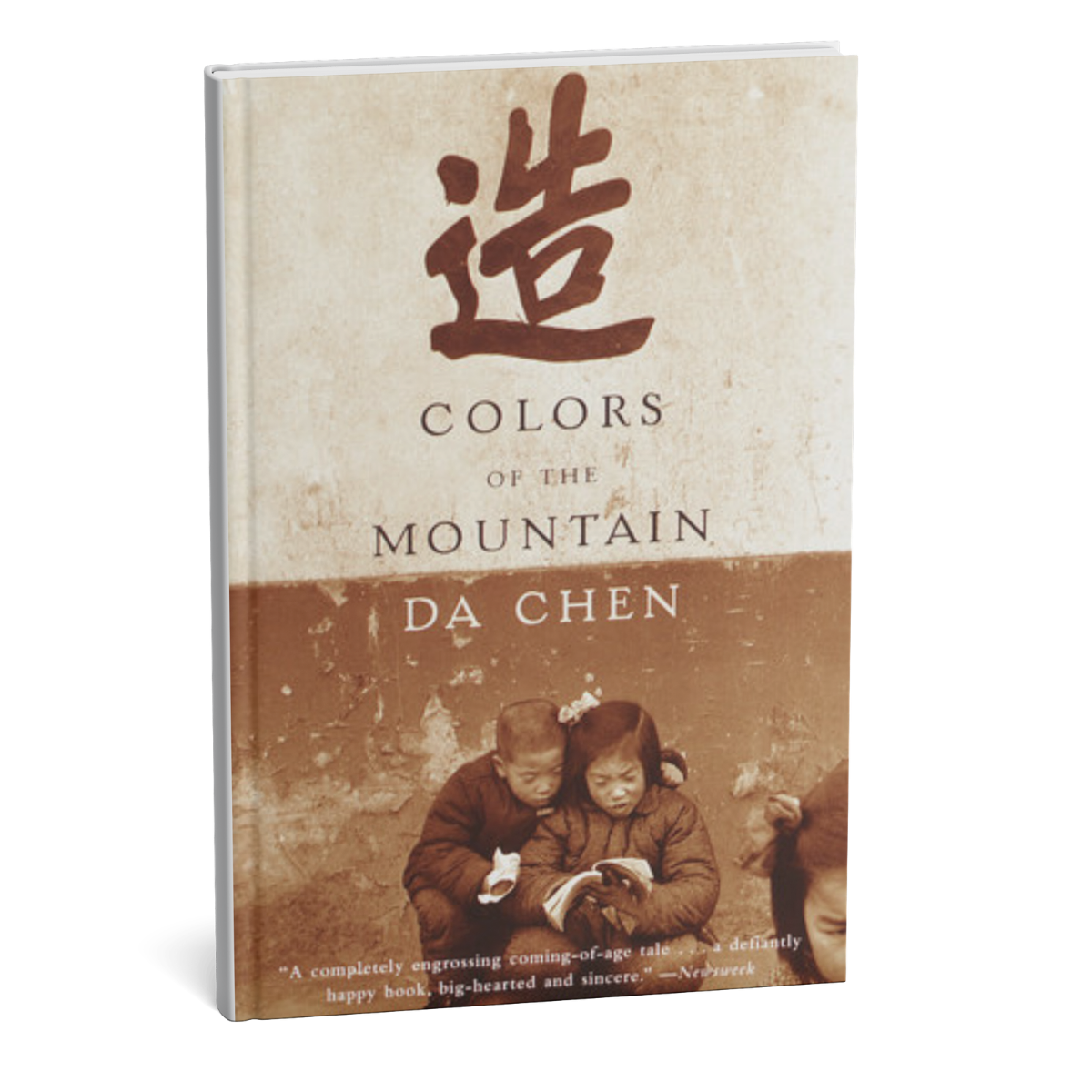
In his memoir, Colors of the Mountain, Da Chen chronicles his upbringing during the cultural revolution in China.
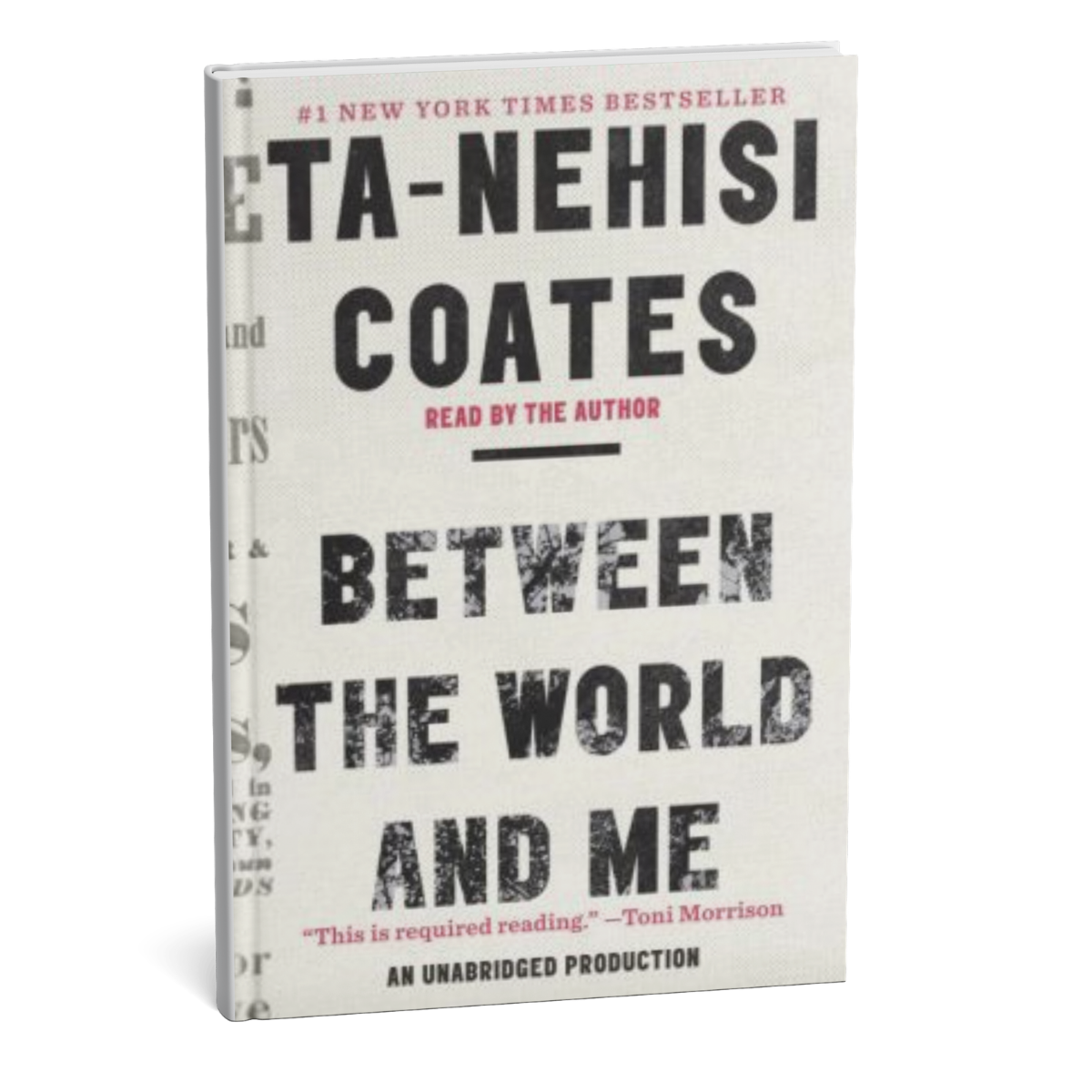
Between The World and Me is the author’s poignant letter to his son exploring the realities of race, identity, and the struggles faced by Black Americans in a society steeped in systemic injustice and historical trauma.
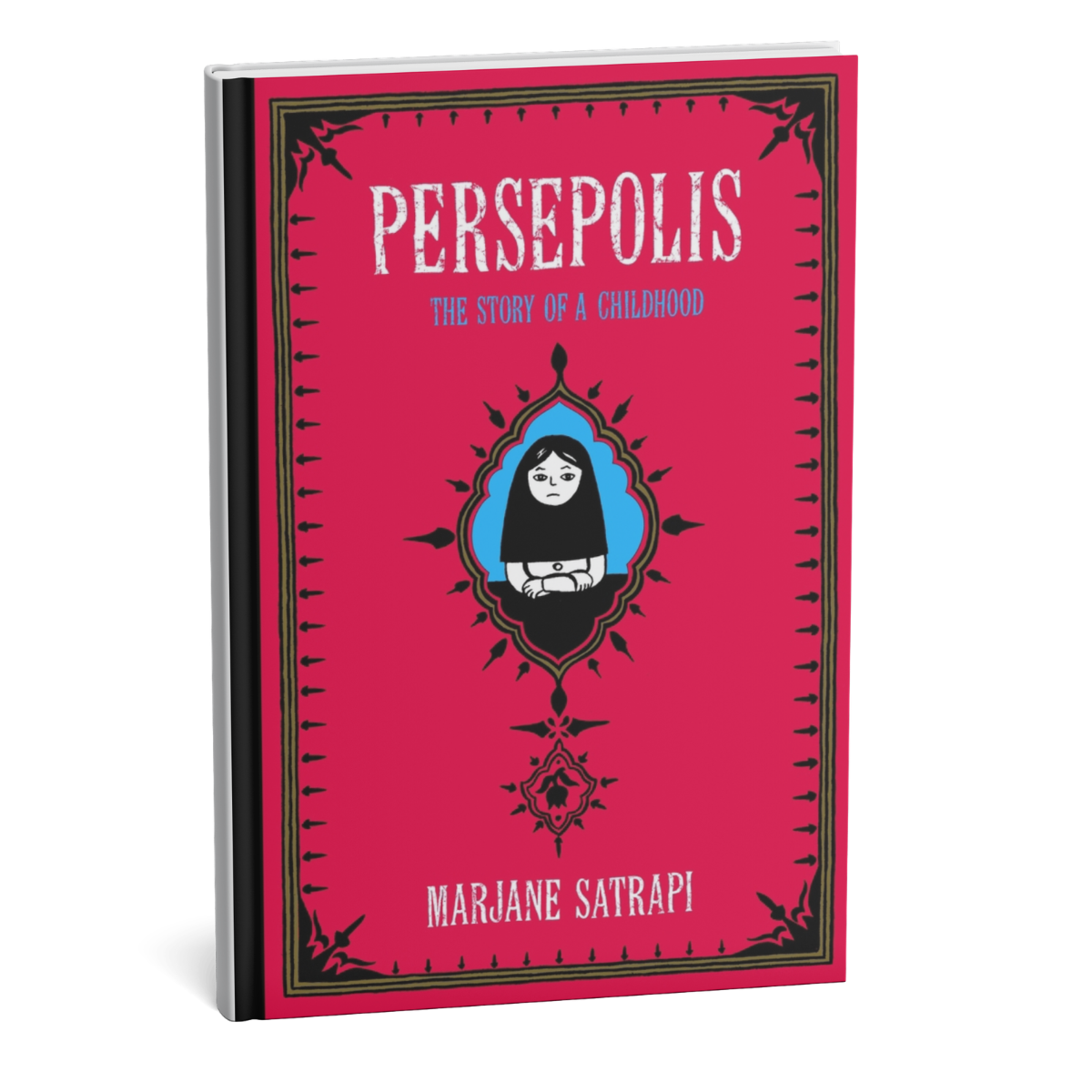
Persepolis is a series of autobiographical graphic novels by Marjane Satrapi depicting her childhood and early adult years in Iran during and after the Islamic Revolution.
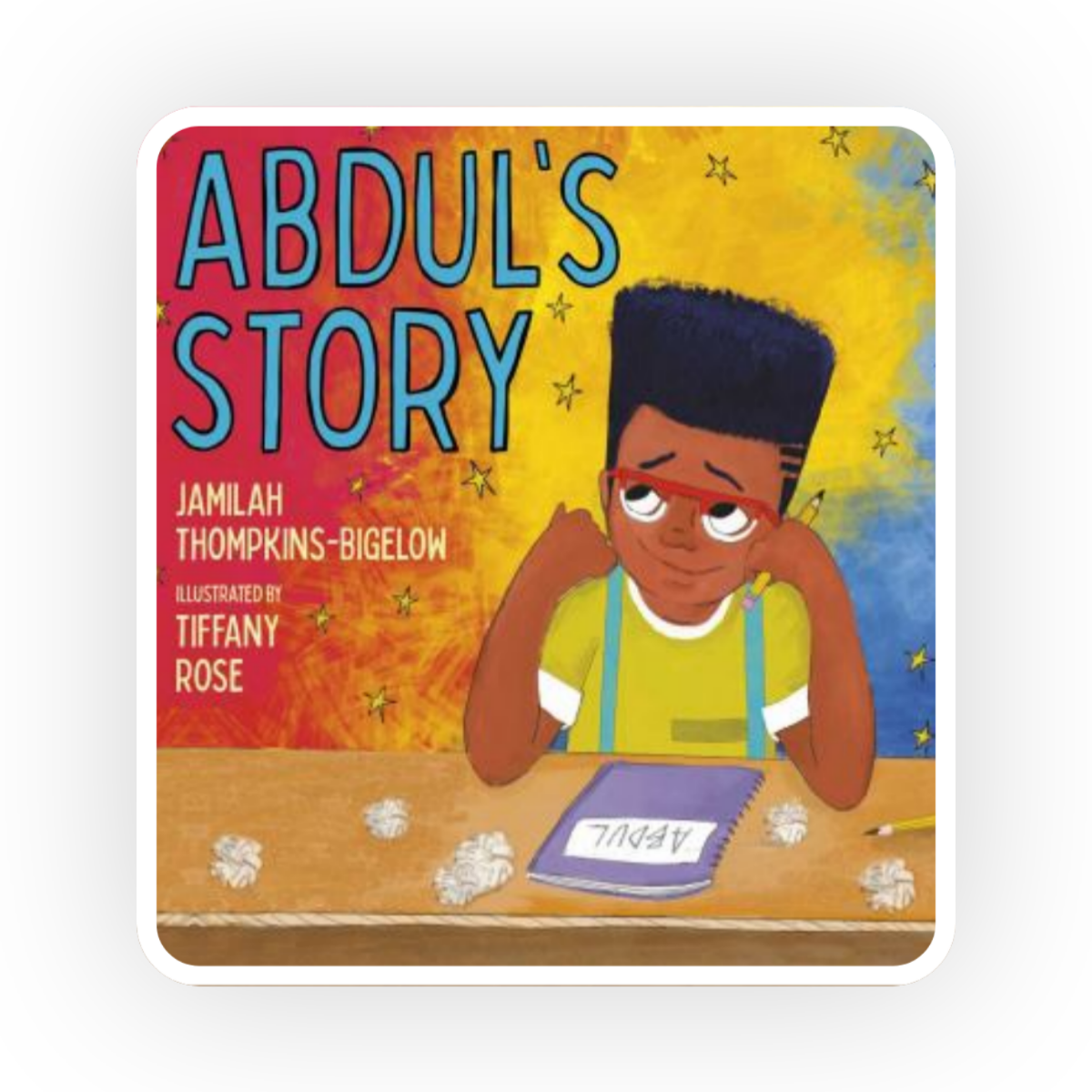
Abdul’s Story follows Abdul as he struggles to find the words to put to paper until a new mentor helps him find his voice.
In the Airport Book by Lisa Brown, a family embarks on their first plane ride.
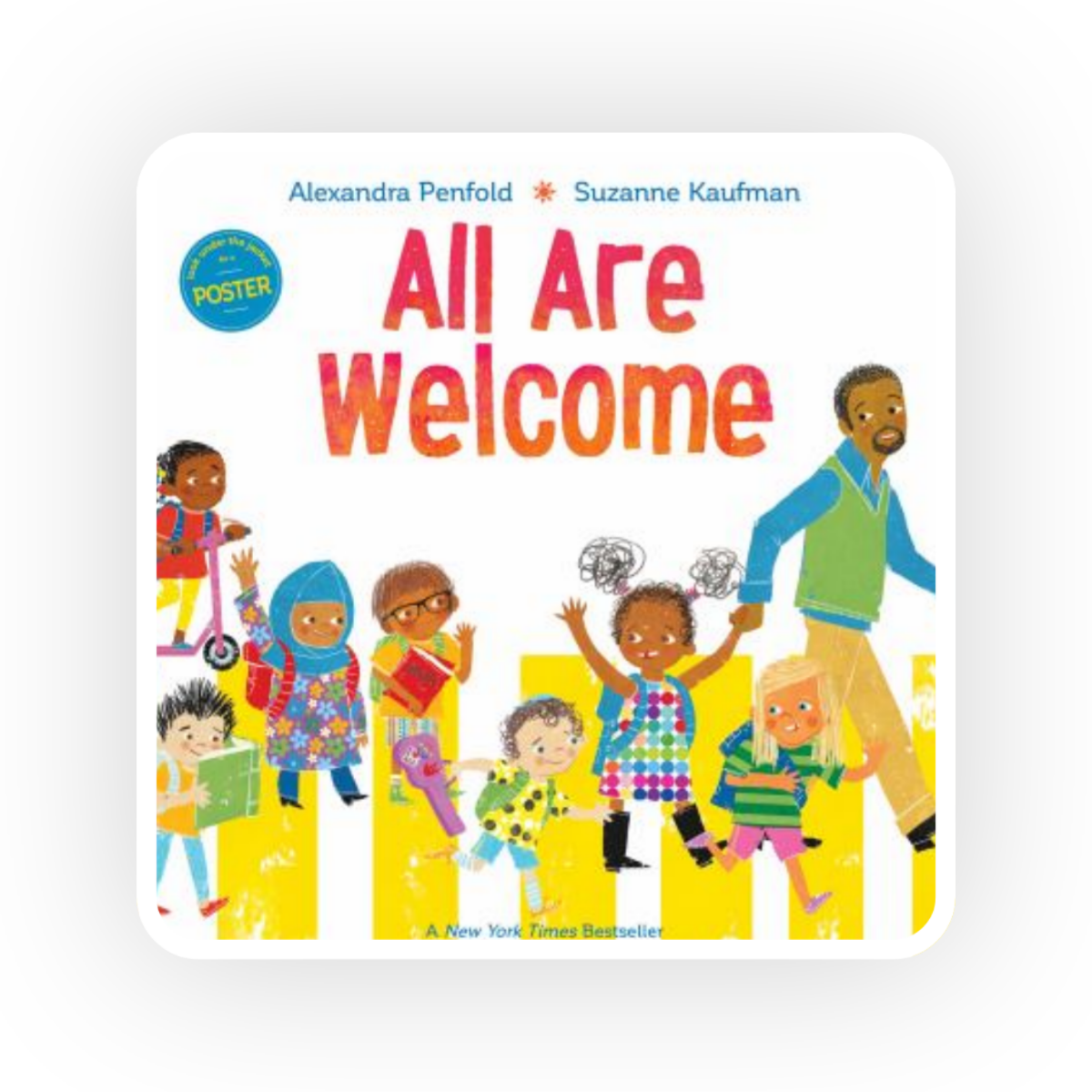
All Are Welcome by Alexandra Penfold is a timely celebration of diversity and inclusion in the classroom.
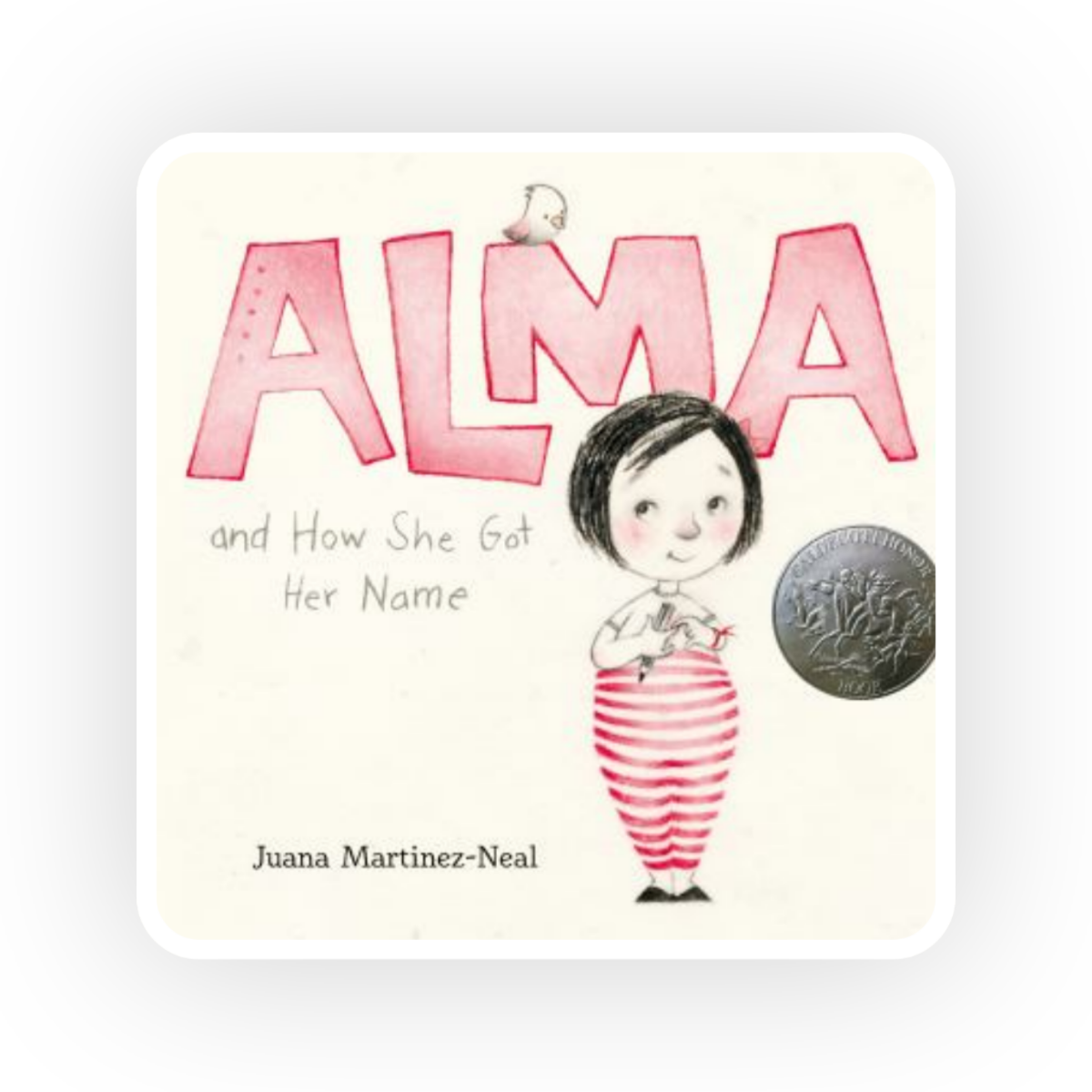
Alma Sofia Esperanza Jose Pura Candela knows that she has a very long name but what she doesn’t know is why? Alma tells the a multigenerational origin story behind her name.
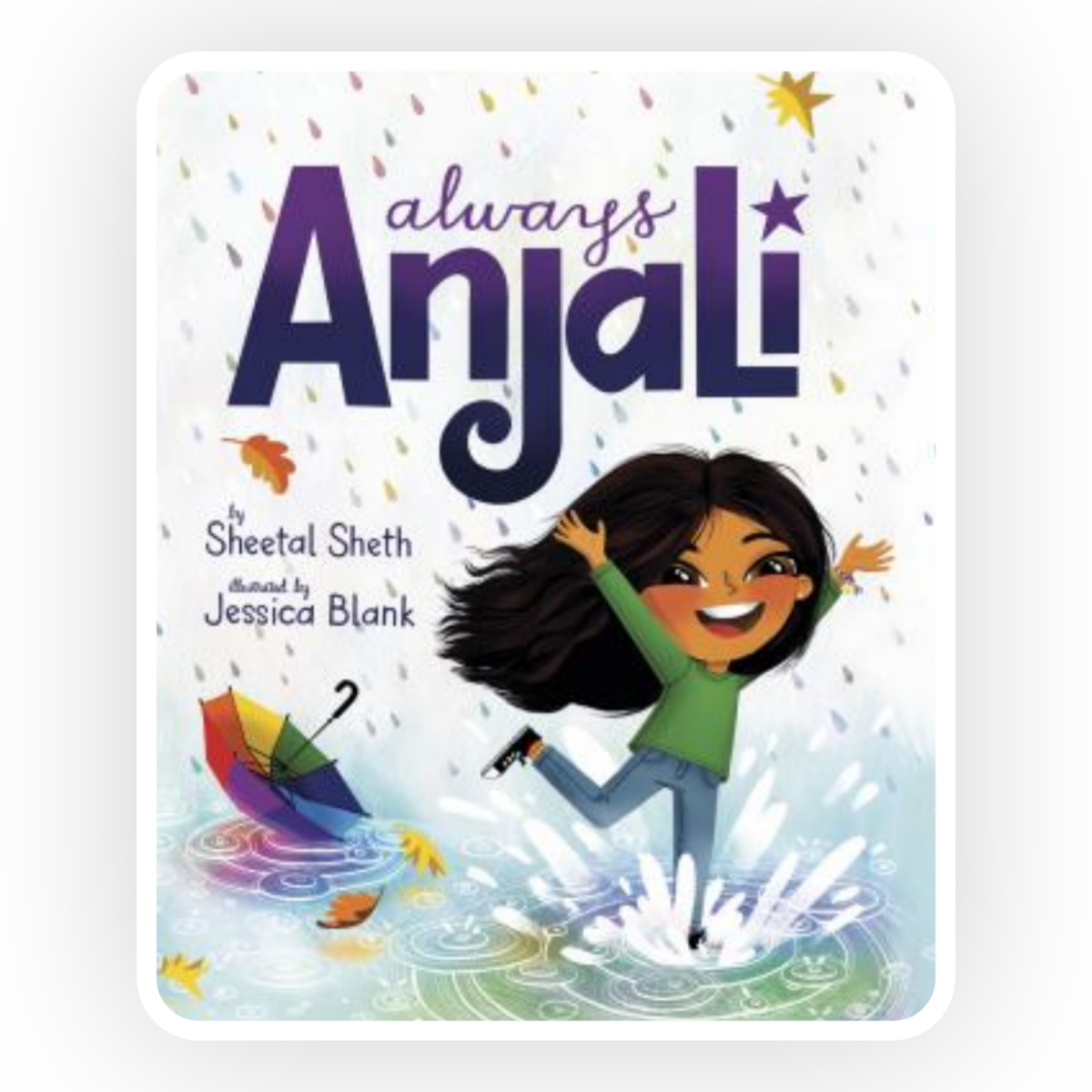
Always Anjali by Sheetal Sheth follows a young girl named Anjali who is able to overcoming bullying through embracing her Indian heritage.
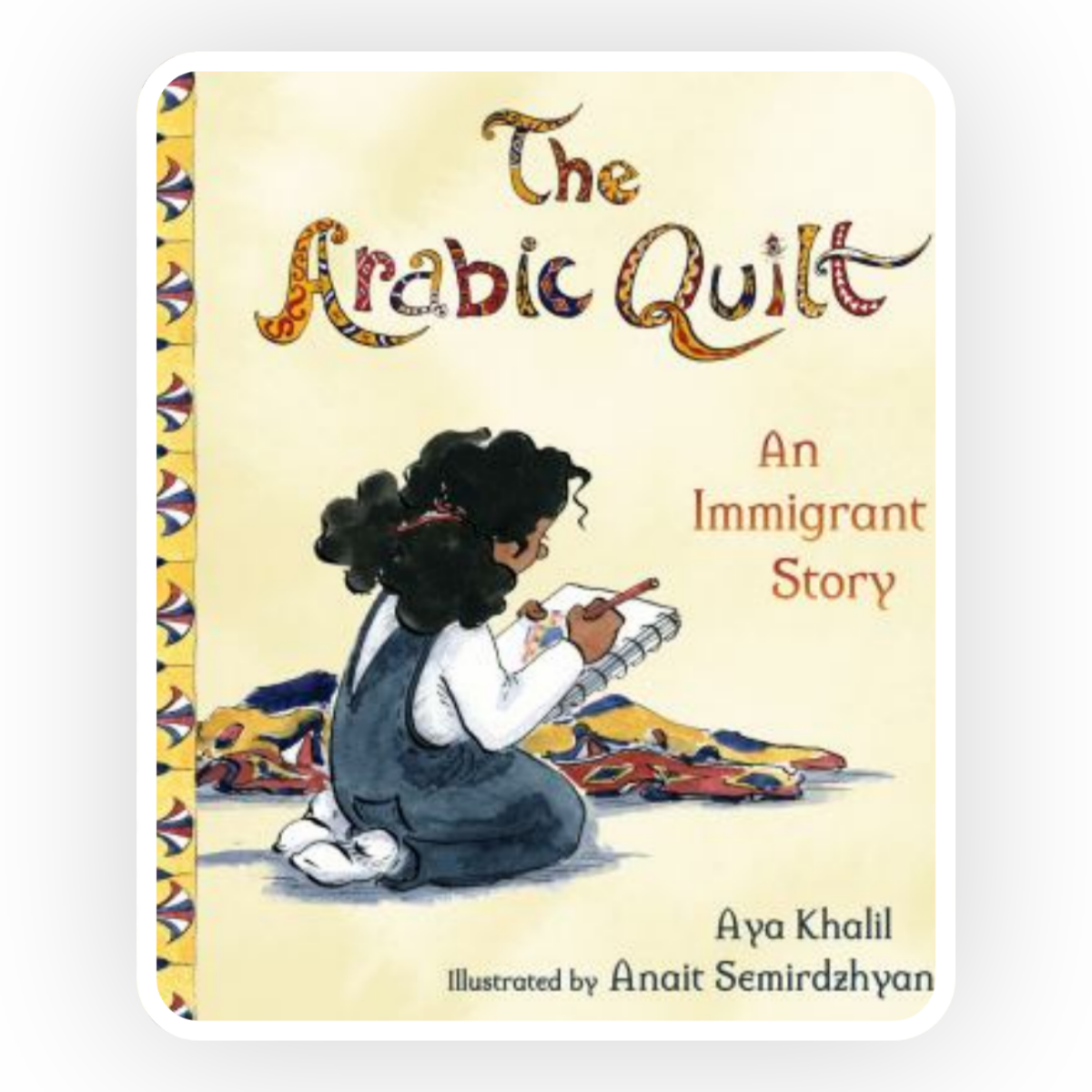
The Arabic Quilt by Aya Khalil centers around Kanzi, an Egyptian girl. Kanzi struggles to fit in and is embarassed of her kofta sandwiches and her mother’s Hijab. She soon learns the joy that comes from sharing her culture.
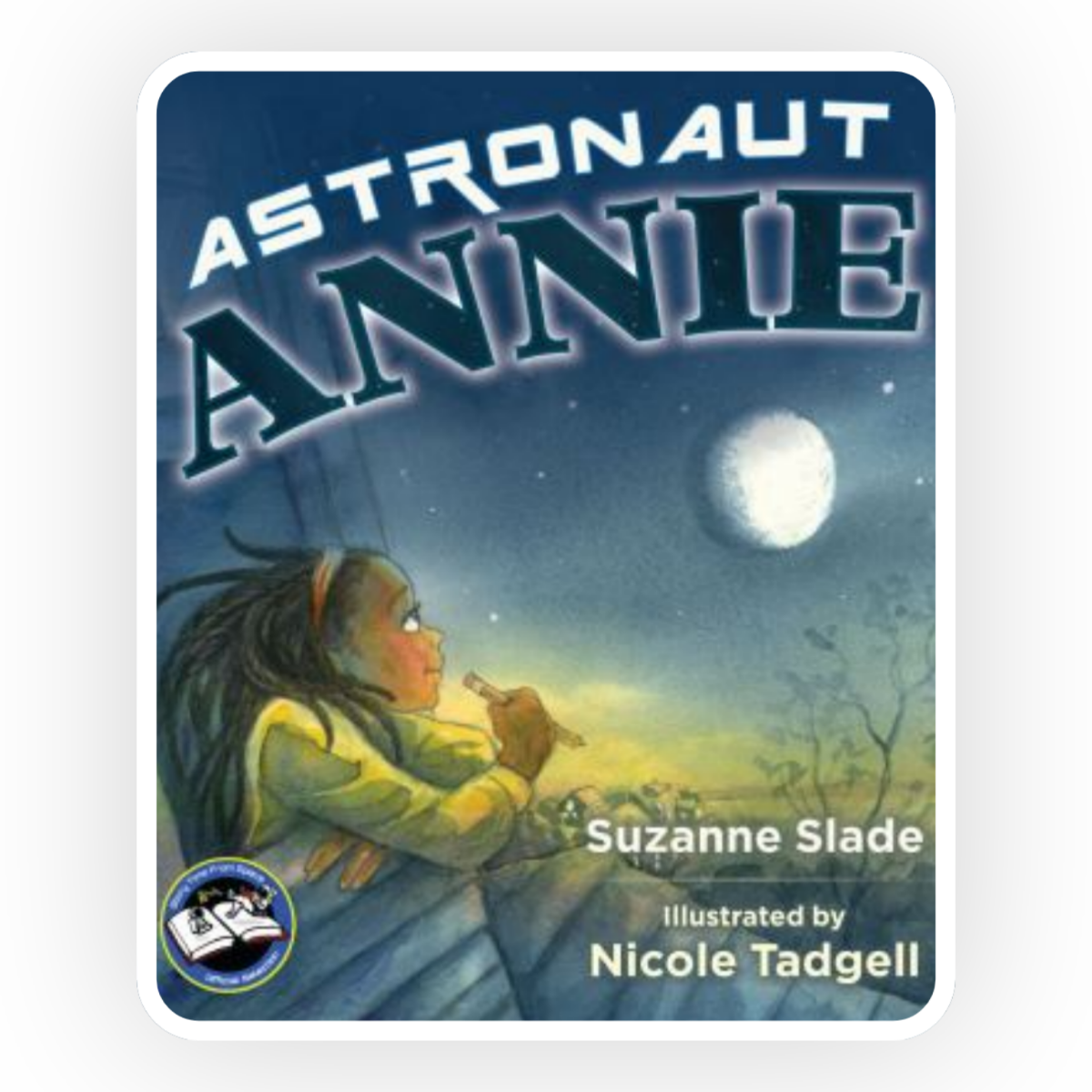
In Astronaut Annie by Suzanne Slade, Annie is excited to reveal her aspirations to become an astronaut to her family on career day at her school.
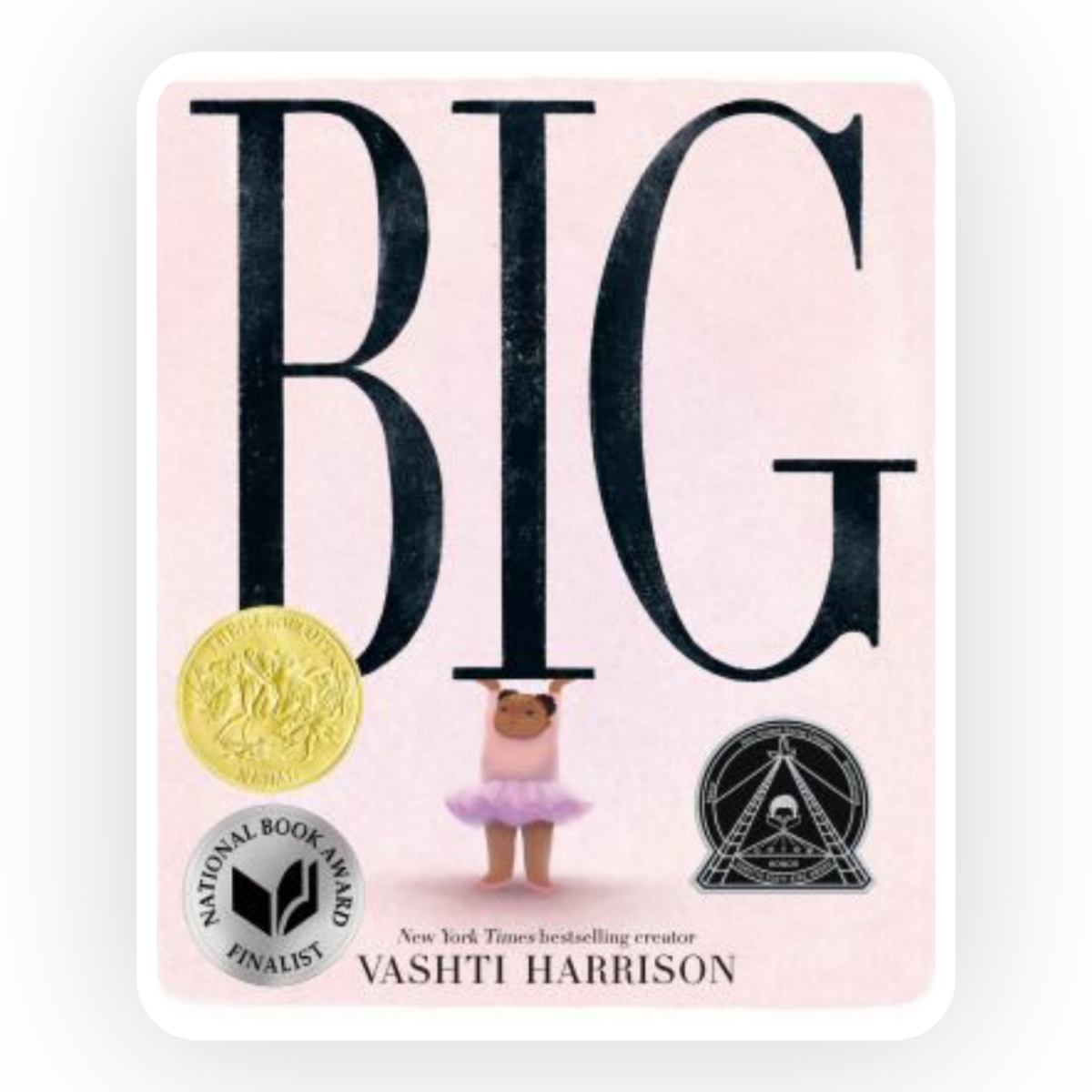
Big by Vashti Harrison is a beautifully illustrated story about accepting who we are and the beauty in all.
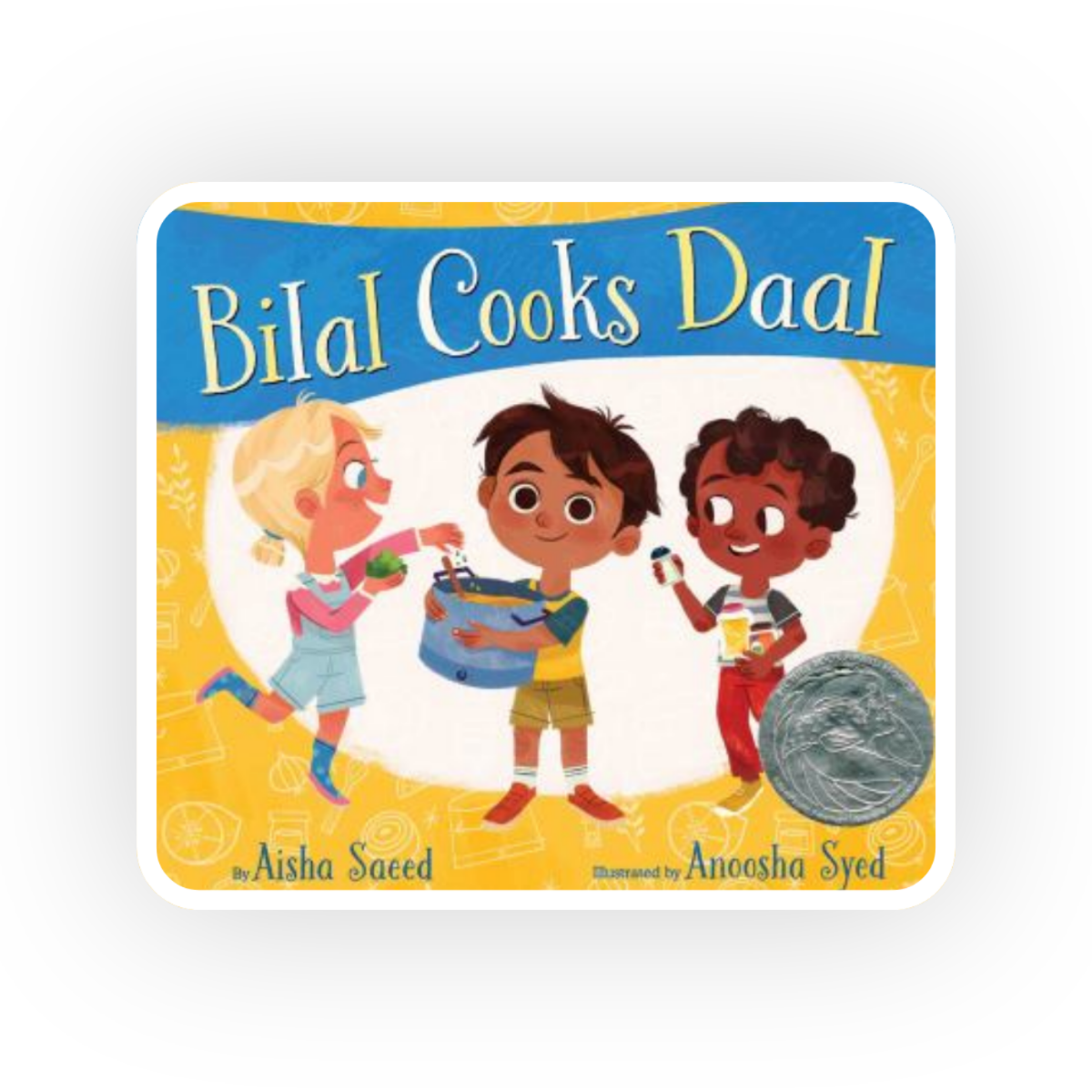
In Bilal Cooks Daal by Aisha Saeed, Bilal shares his favorite food with his friends – Daal!
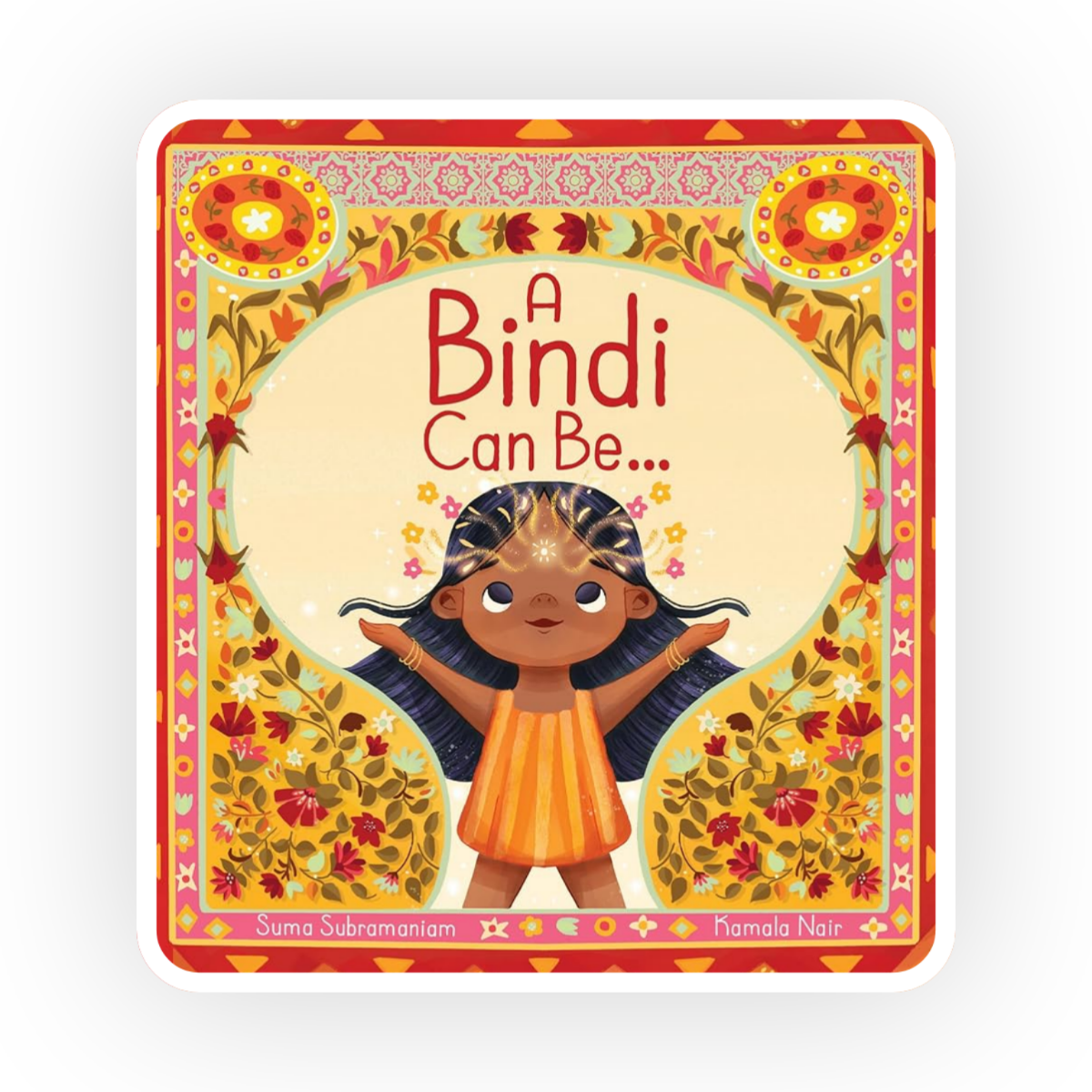
A Bindi Can Be by Suma Subramaniam follows a young girl who learns how to make her first bindi from her grandmother.
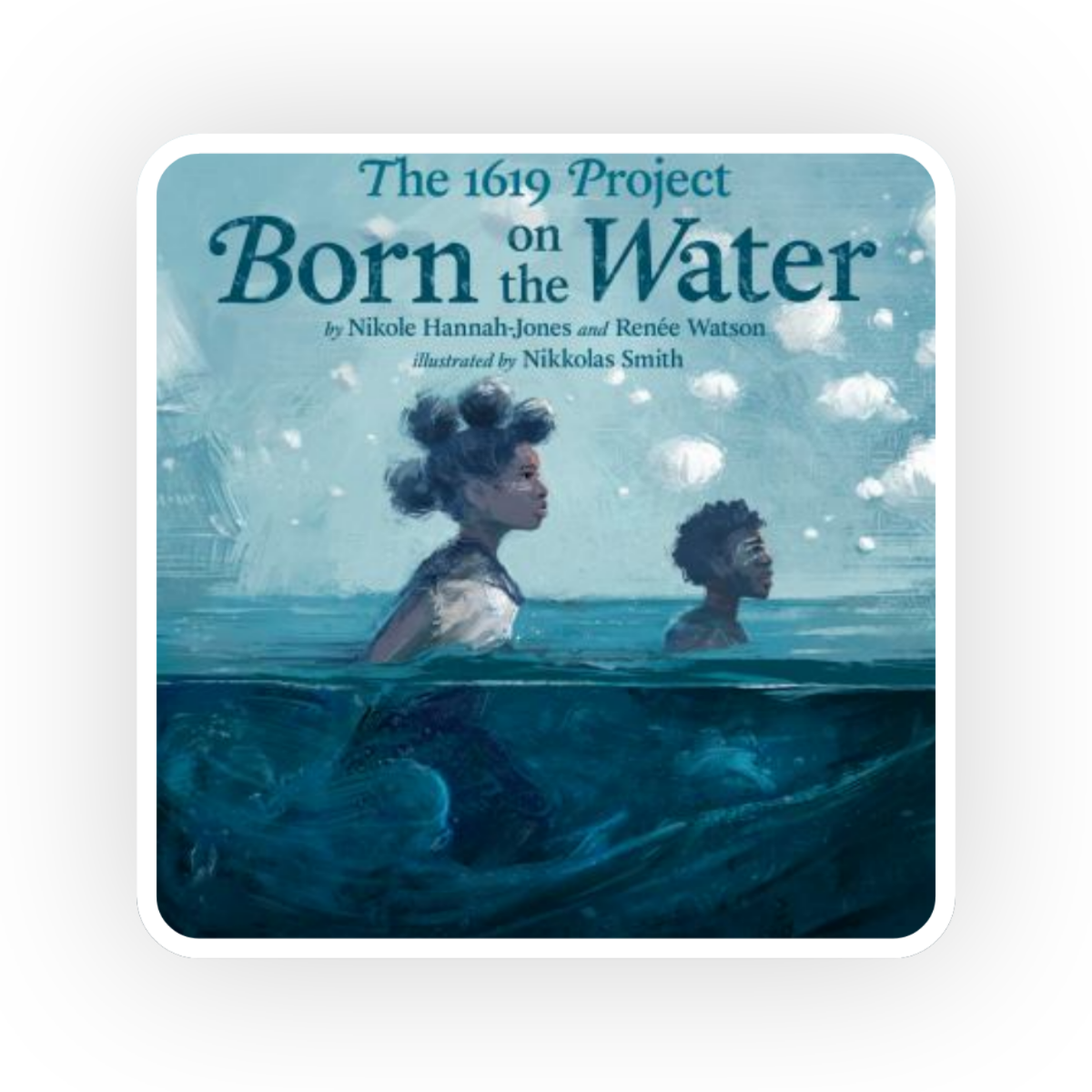
Born on the Water follows a young girl who is tasked with completing her family tree for a school assignment. She soon learns about her family’s origins and the history of slavery.
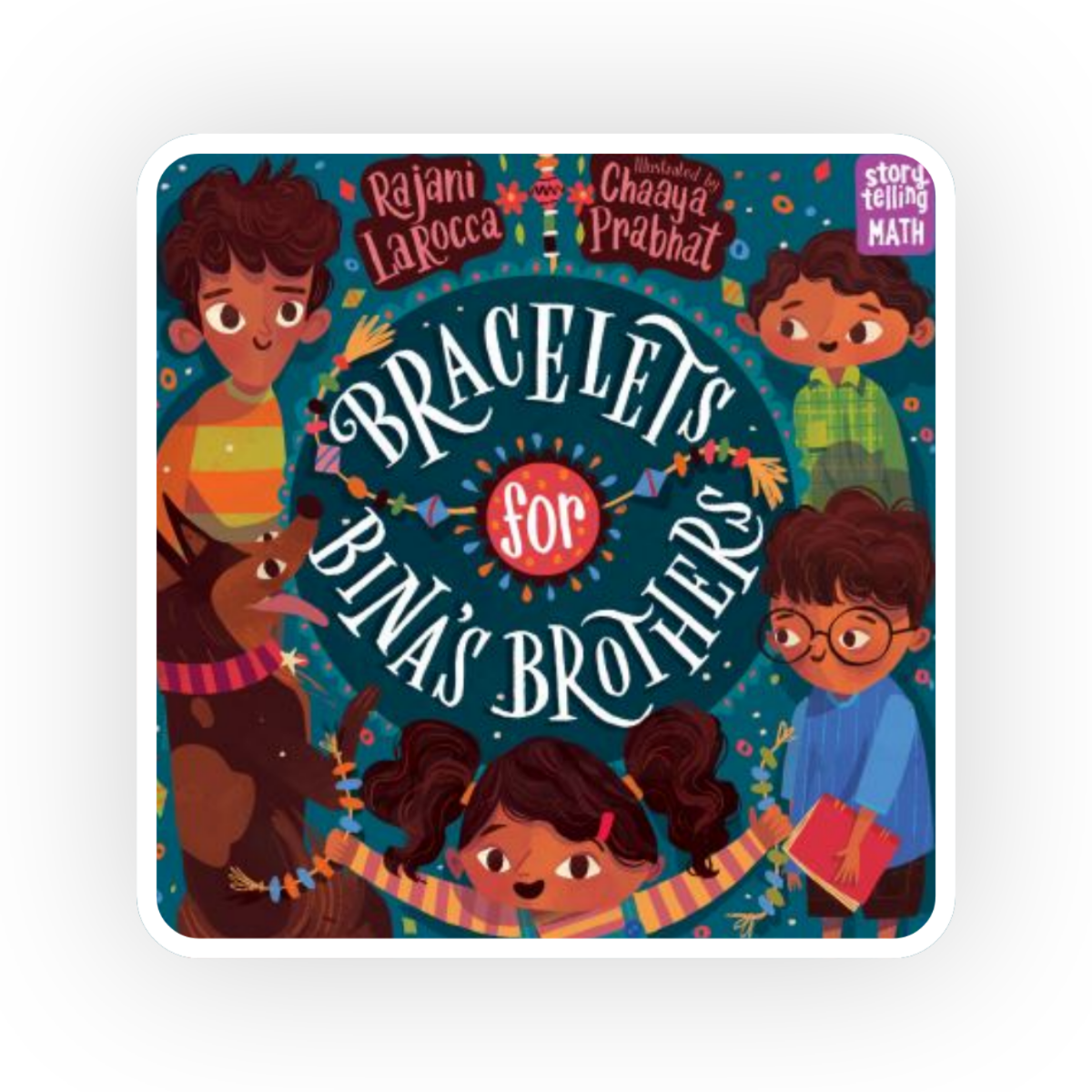
Bracelets for Binas’s Brothers by Rajani Larocca follows Bina who wants to make handmade bracelets for her brothers in this story about Raksha Bandhan.
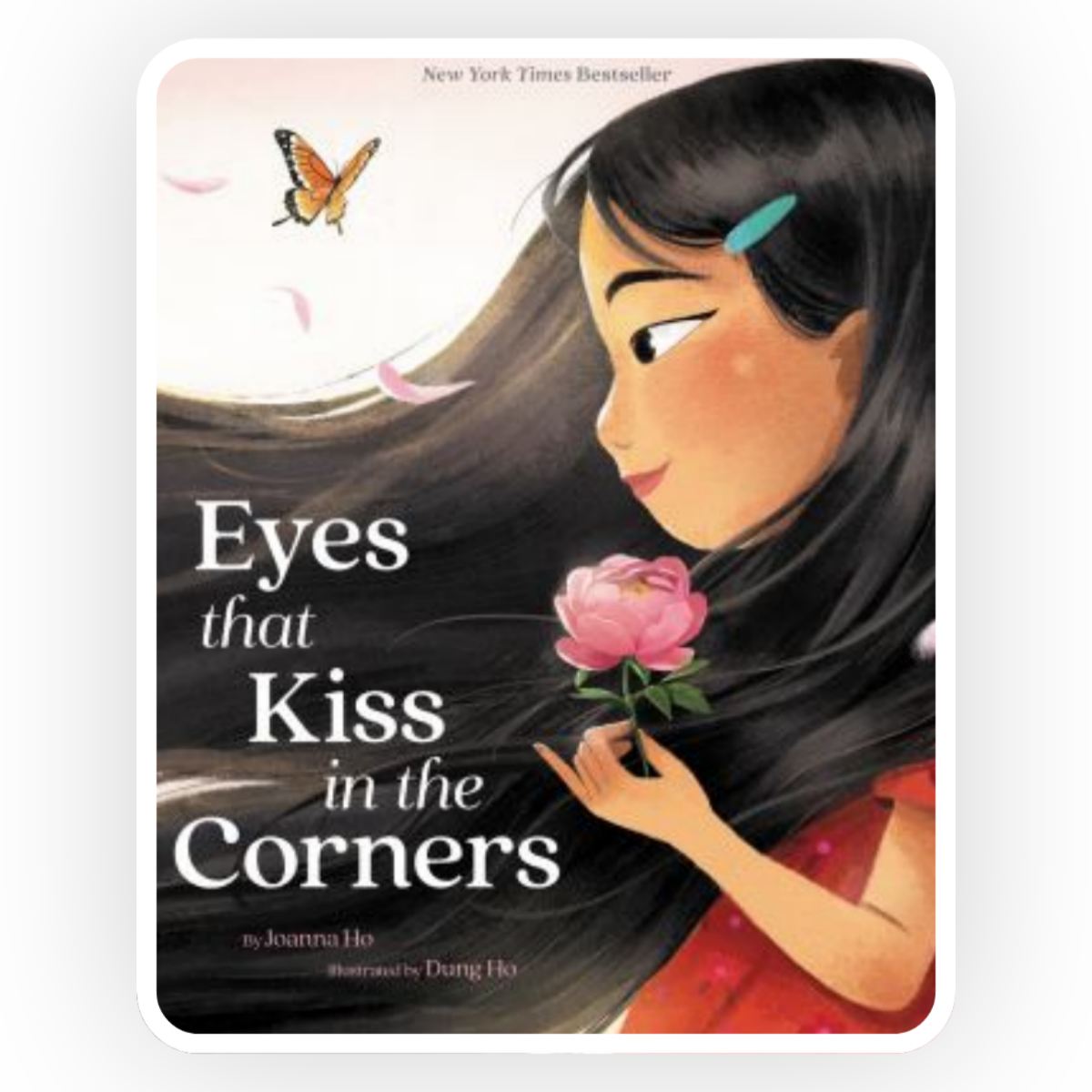
Everyone is beautiful is the message of Joanna Ho’s Eyes That Kiss in the Corners.
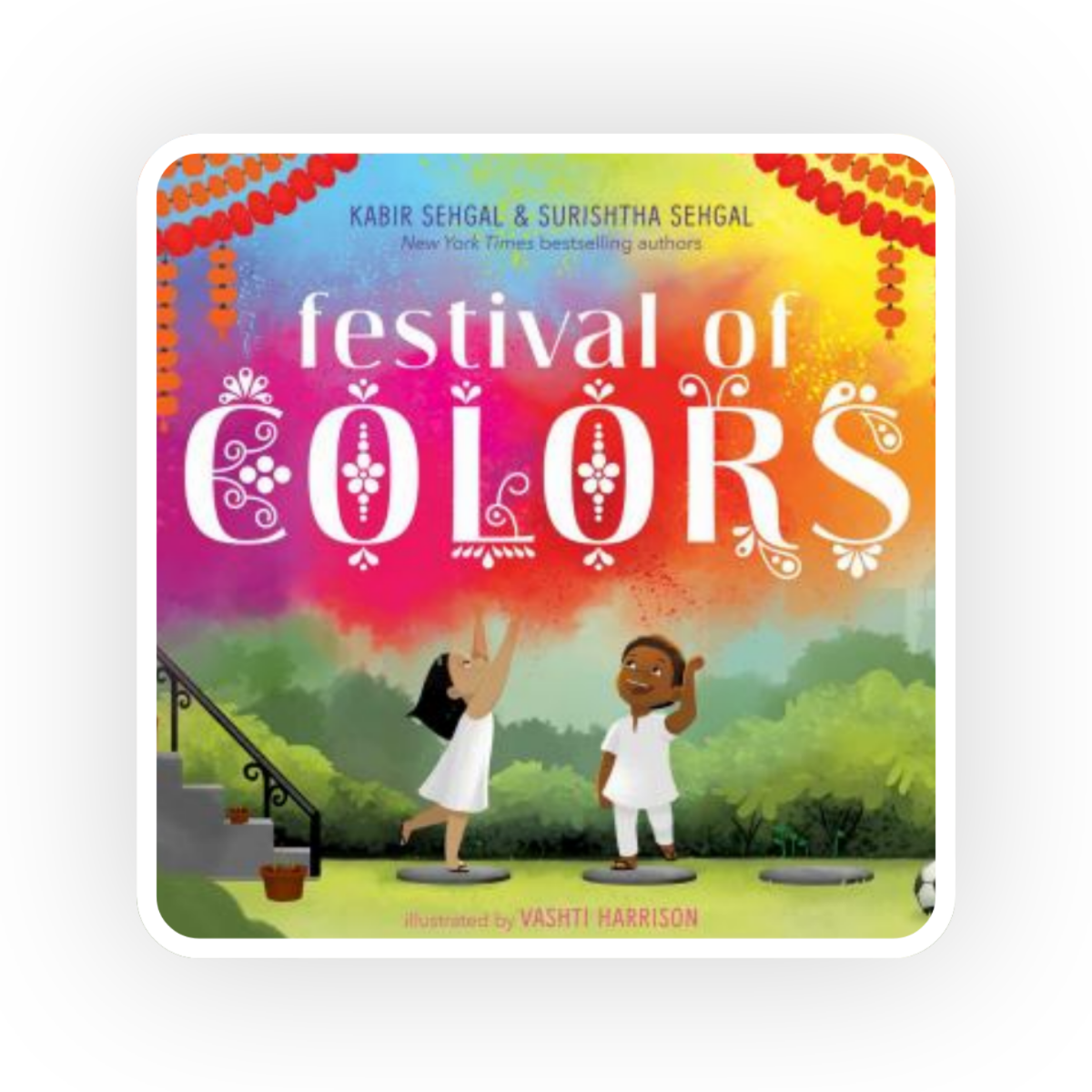
Festival of Colors by Kabir Sehgal colorfully narrates one Indian family’s celebration of Holi, the Hindu festival of colors and spring.
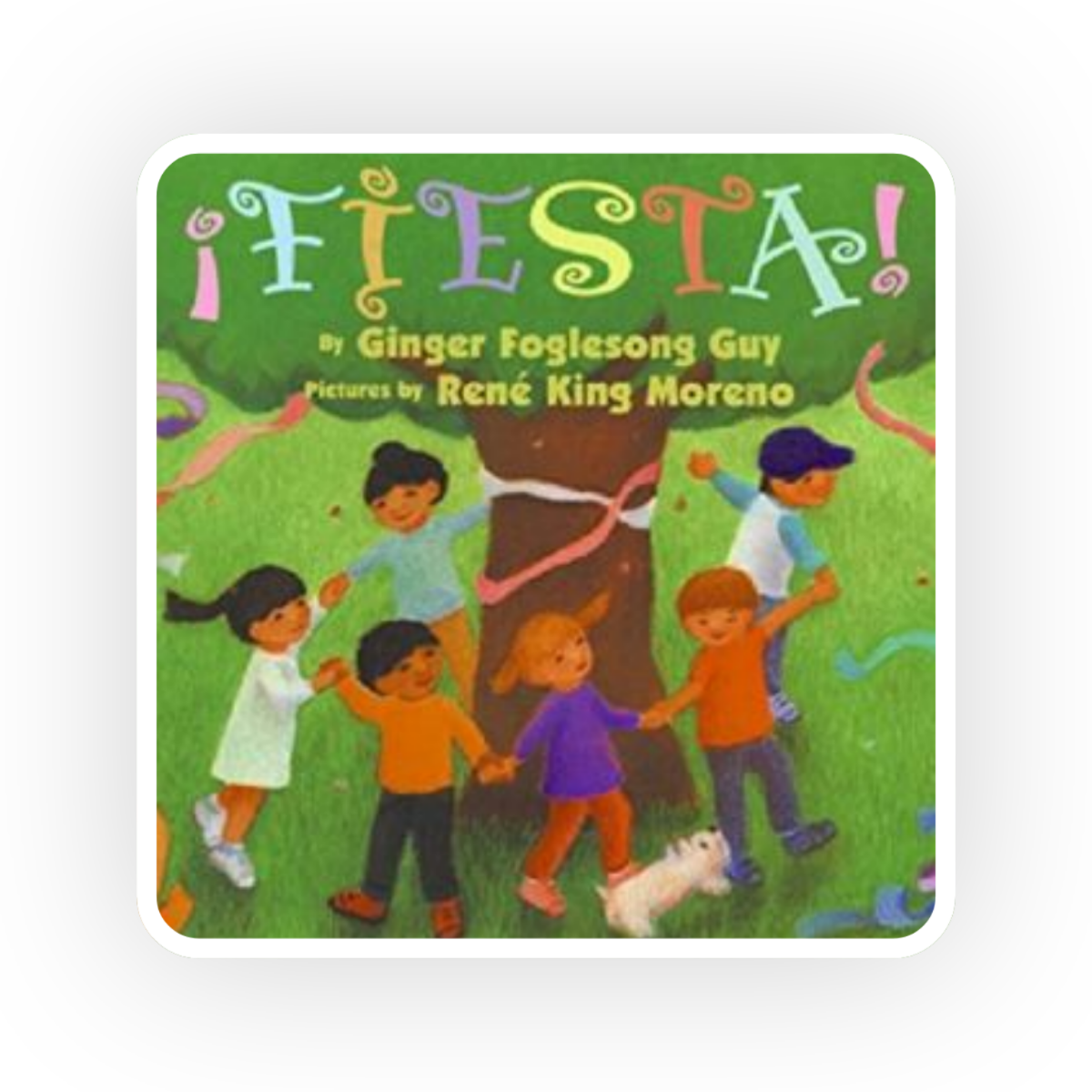
Fiesta by Ginger Foglesong Guy is a colorful bilingual counting book follows children as they prepare for a birthday party.
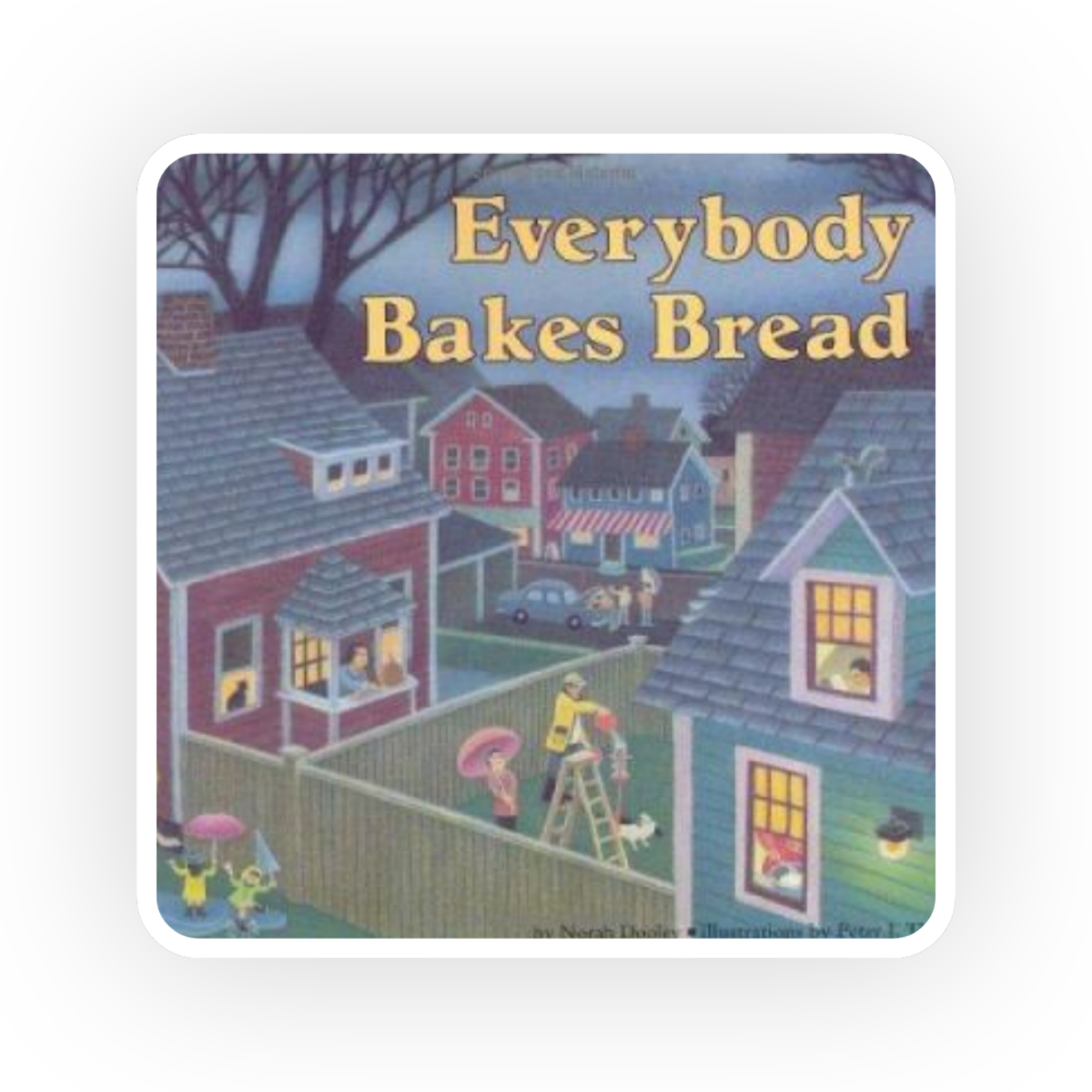
In Everybody Bakes Bread, A rainy-day errand introduces Carrie to many different kinds of bread, including chapatis, challah, and papusas.
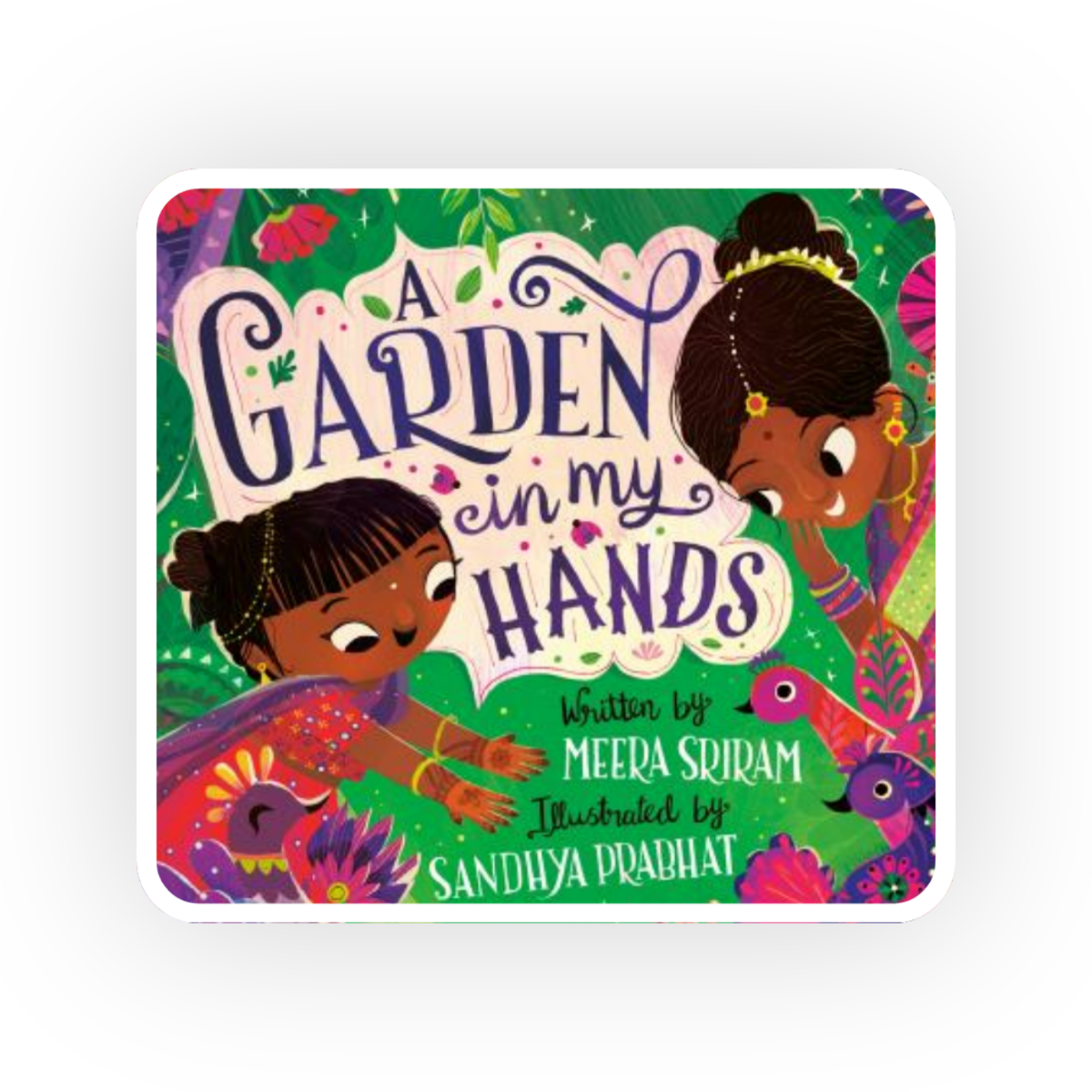
A Garden in My Hands is a beautifully illustrated story about Henna.
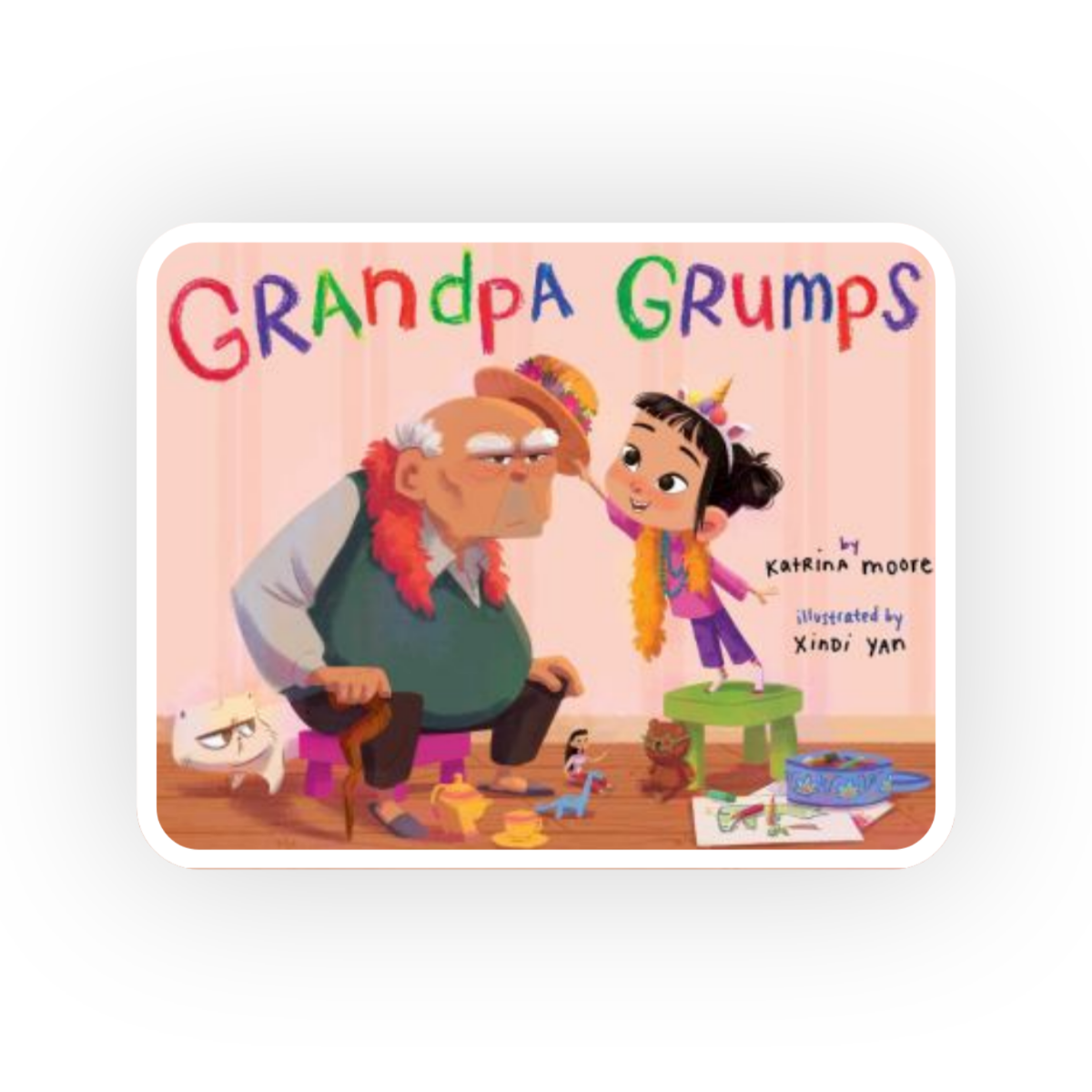
Grandpa Grumpsby Katrina Moore follows a young girl and her Grandfather as they bridge a cultural divide and language barrier.
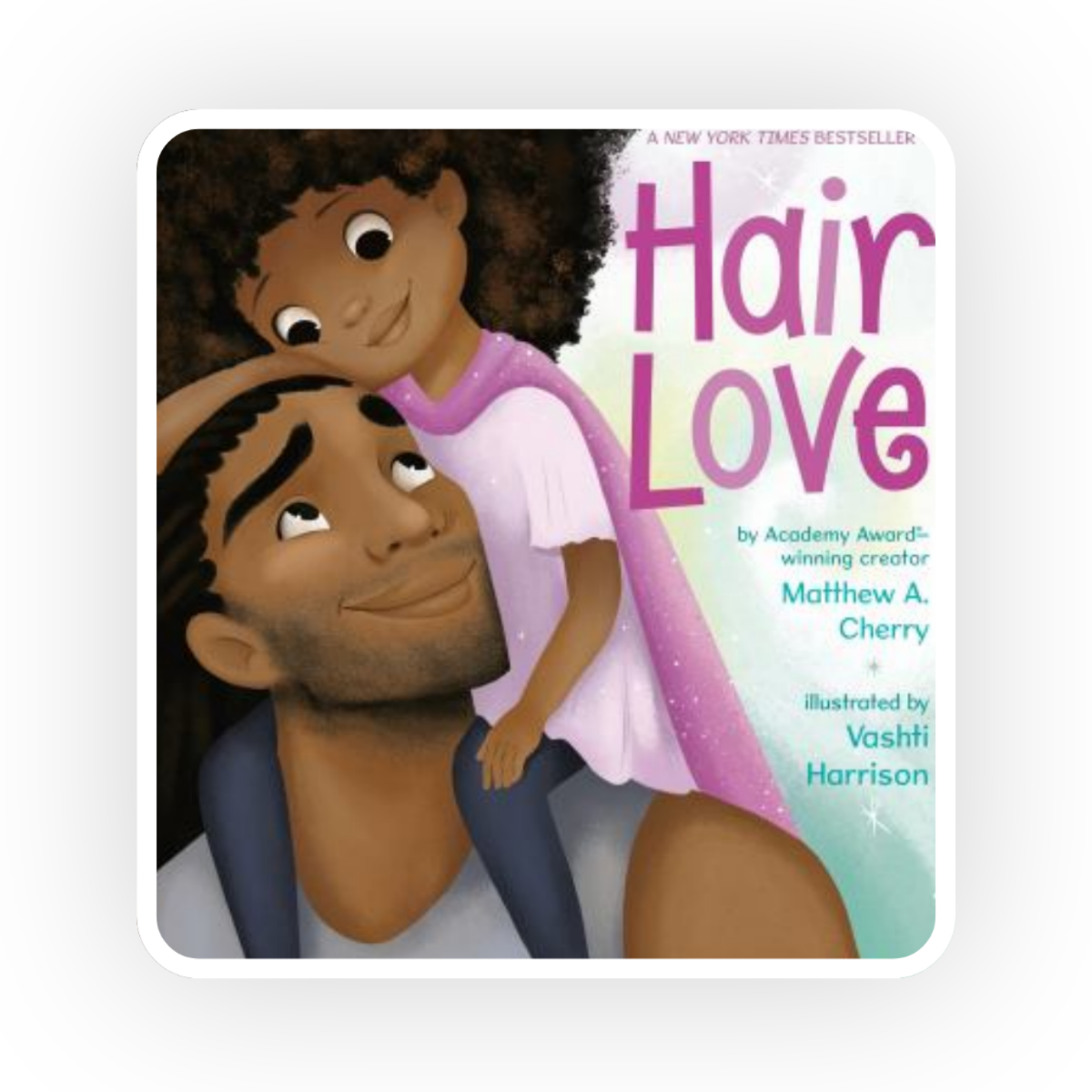
Hair Love by Matthew Cherry is a celebration of curly hair and the bond between fathers and daughters.
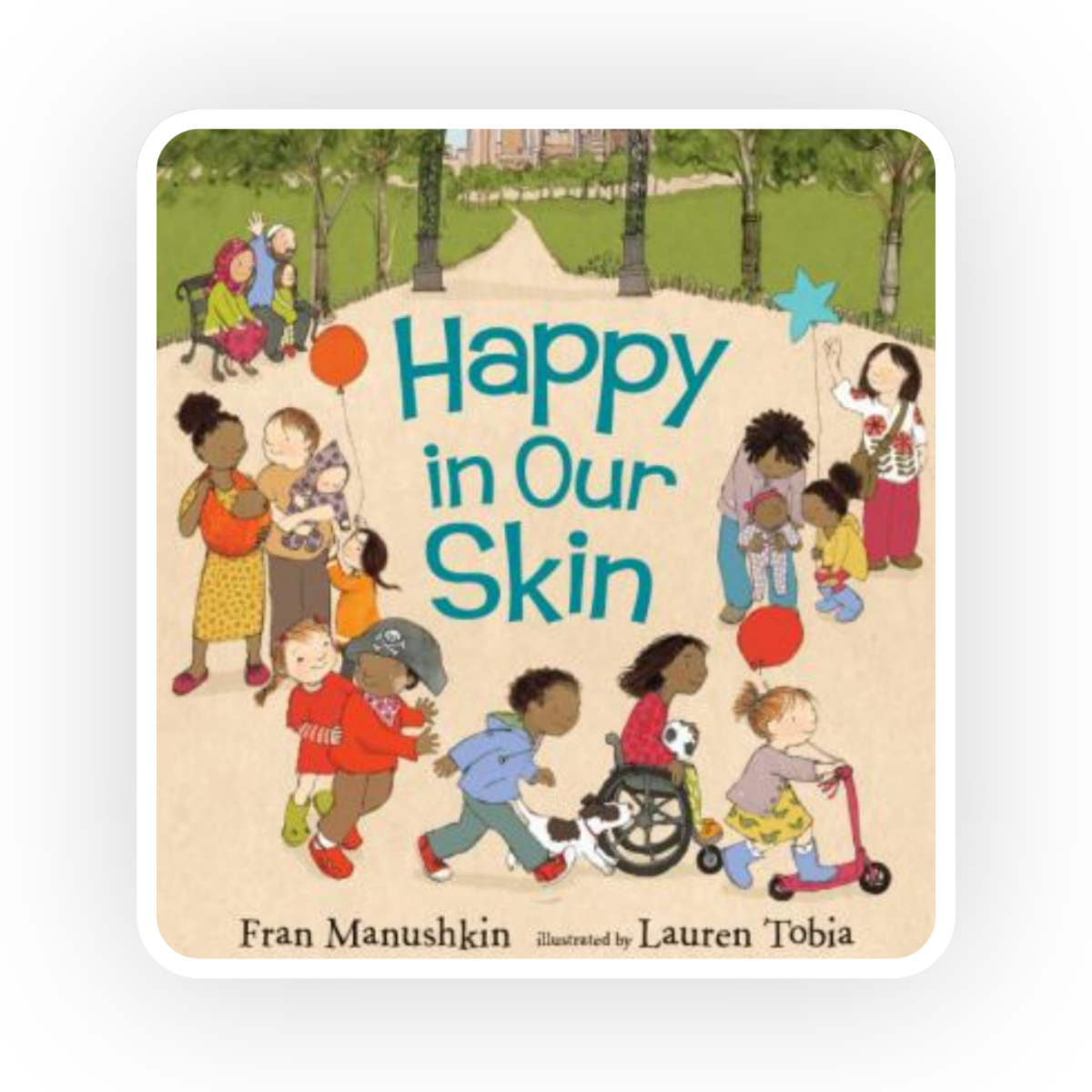
Happy in Our Skin is a celebration of skin and how personal, important and unique it is on all of us.
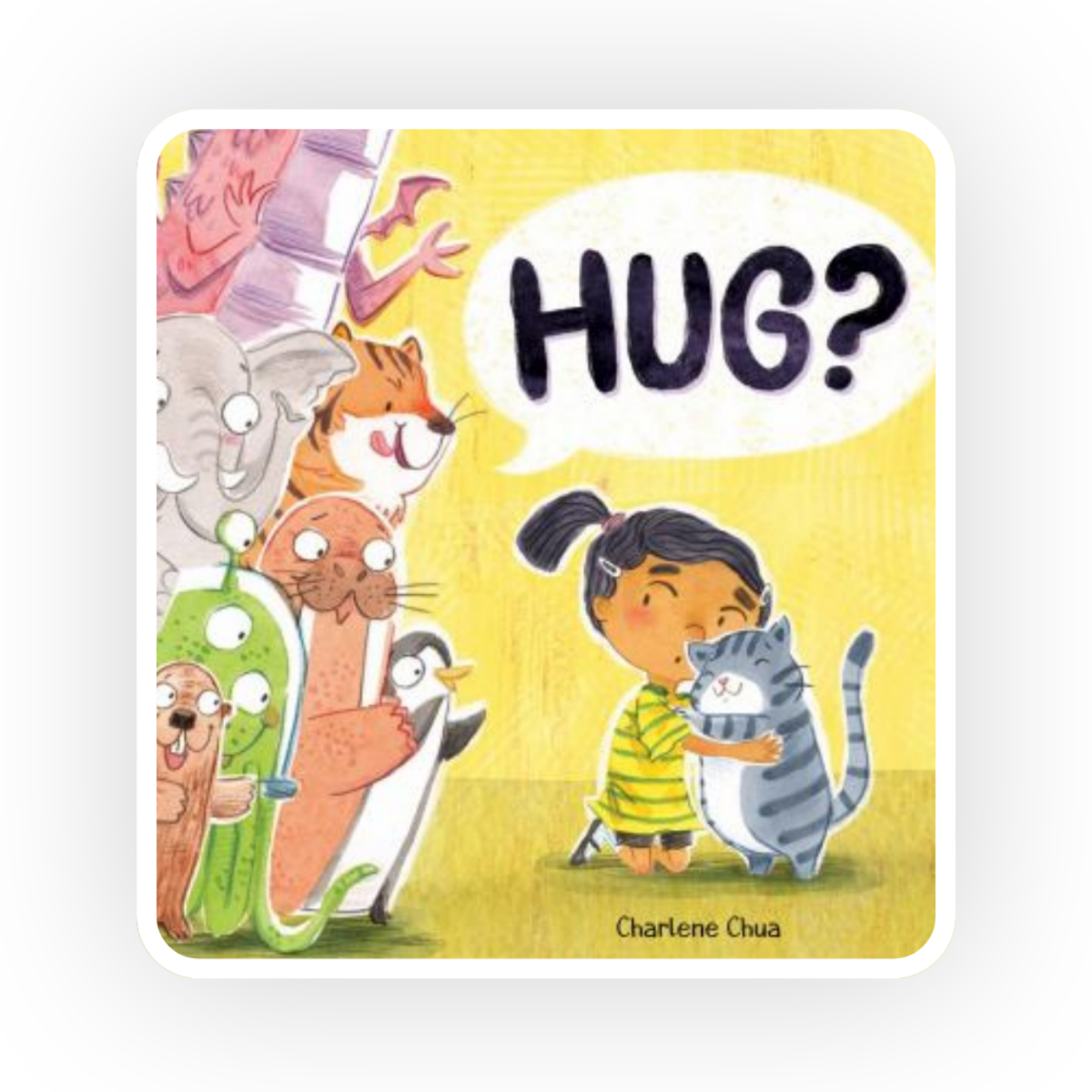
Hug? explores the importance of compassion for others and also of caring for oneself.
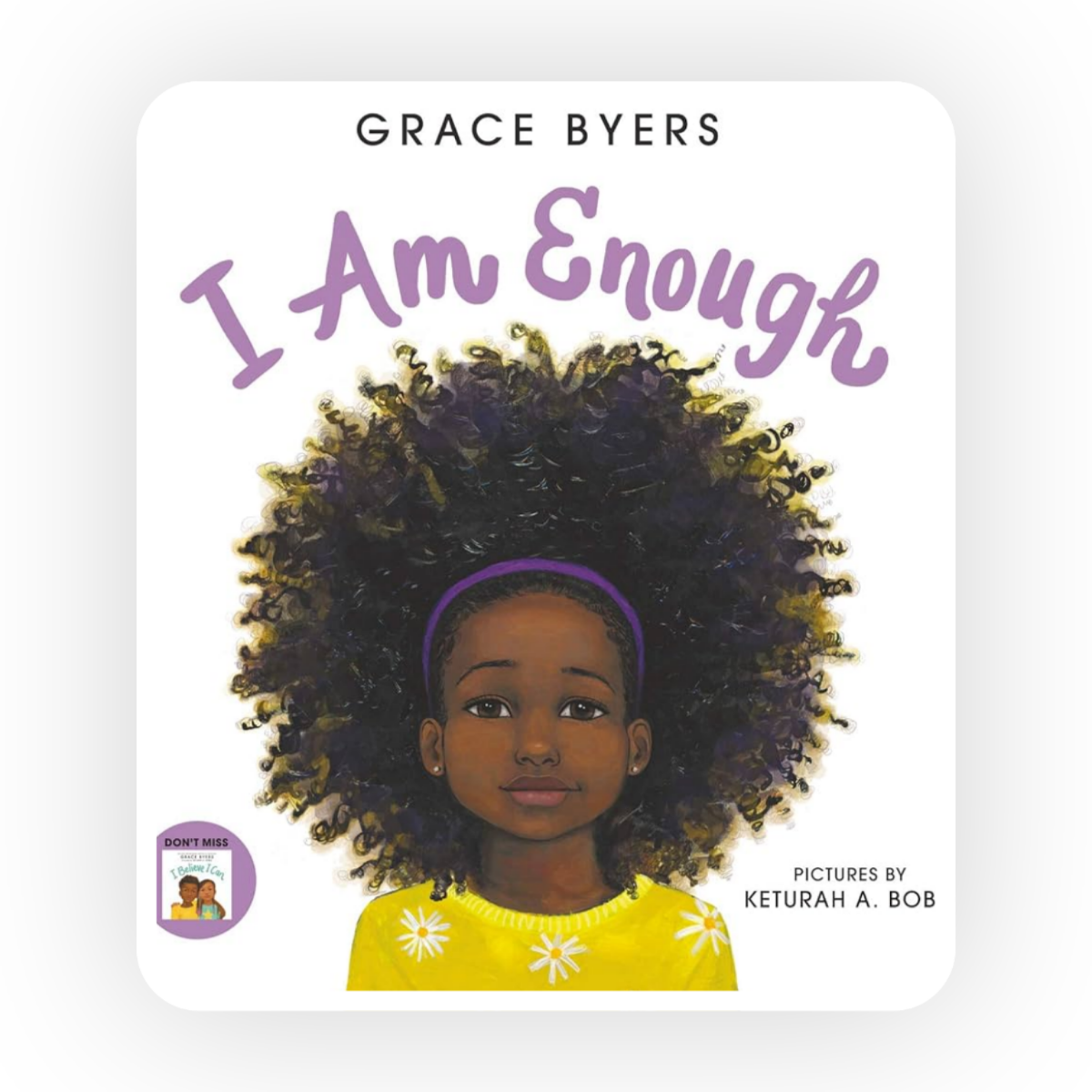
I Am Enough by Grace Byers is an ode to loving oneself and demonstrating kindness to others.
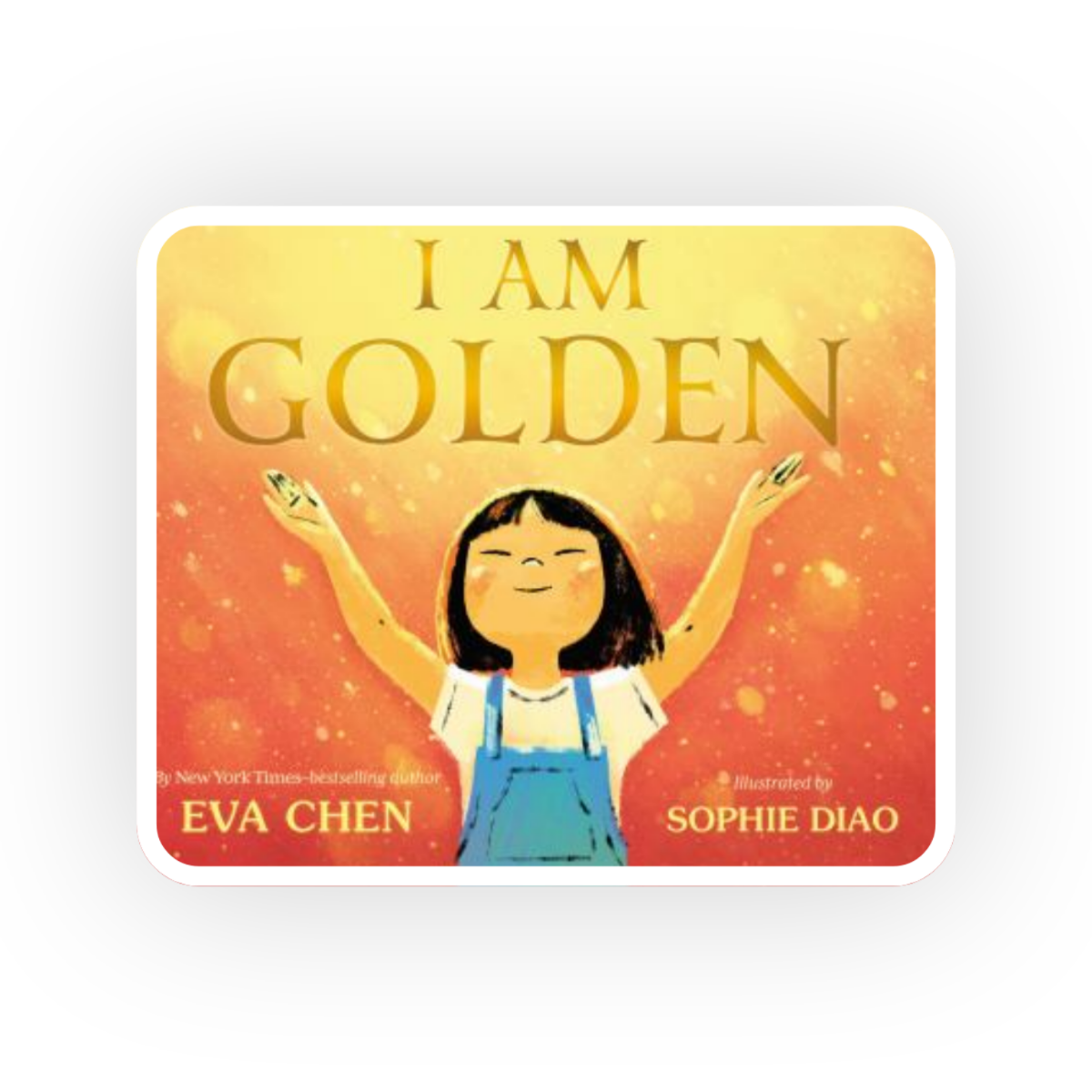
I am Goldenfollows the story of Mei, the daughter of Chinese immigrants, as she and her family navigate life in New York.
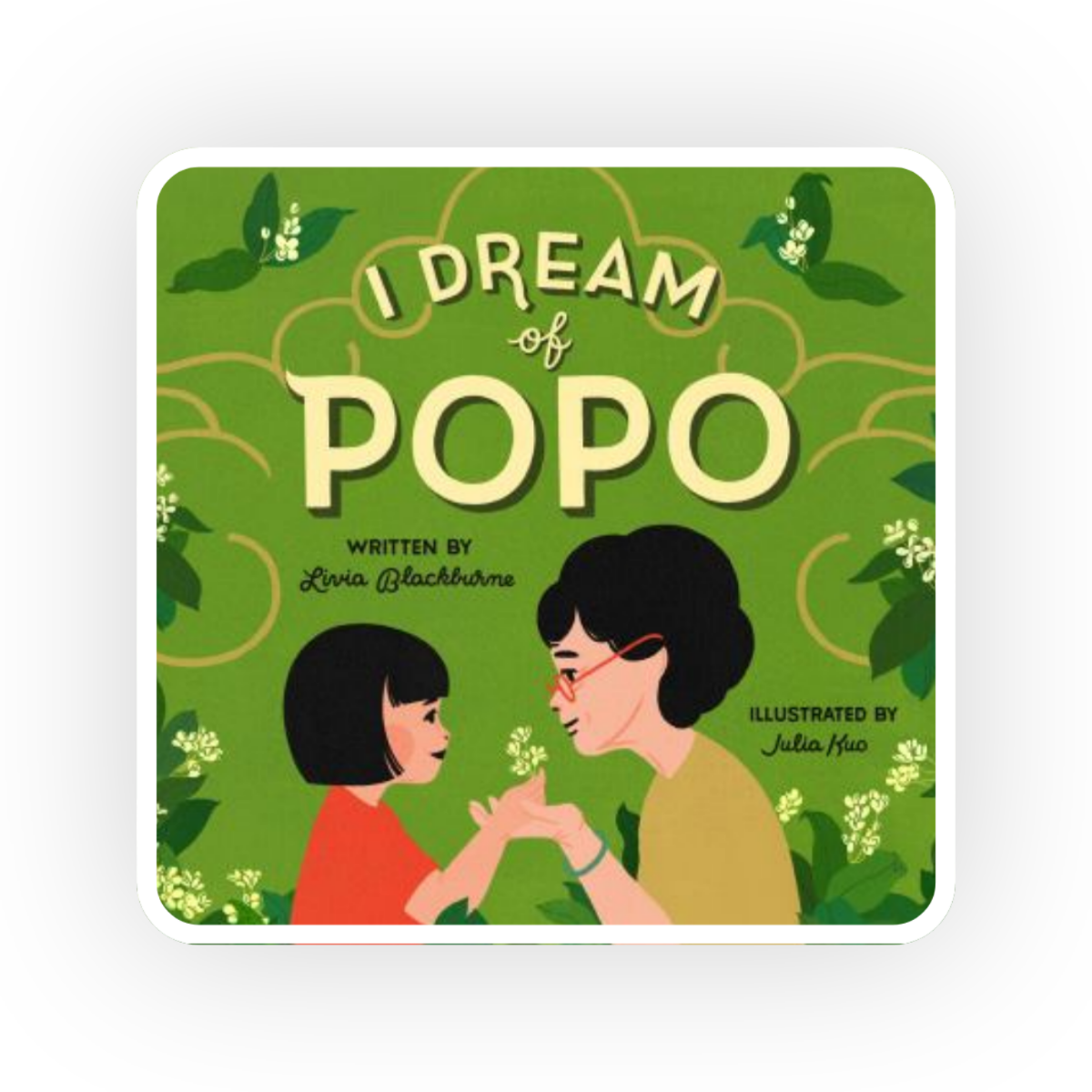
I Dream of Popo celebrates the special bond between a grandmother and granddaughter even across great distances.
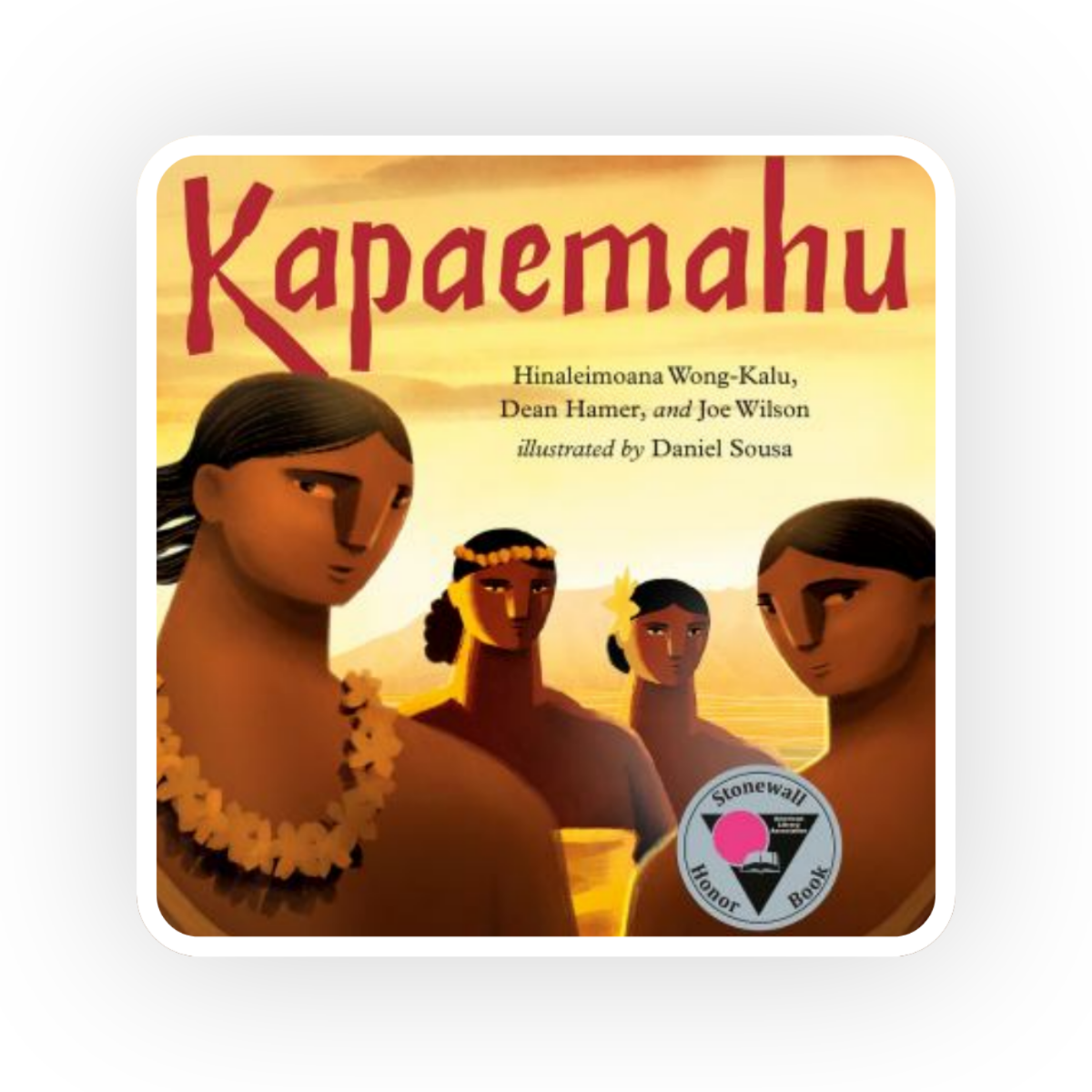
Kapaemahu is a moolelo – a story that bridges the gap between history and legend that was passed down orally by Hawaiians.
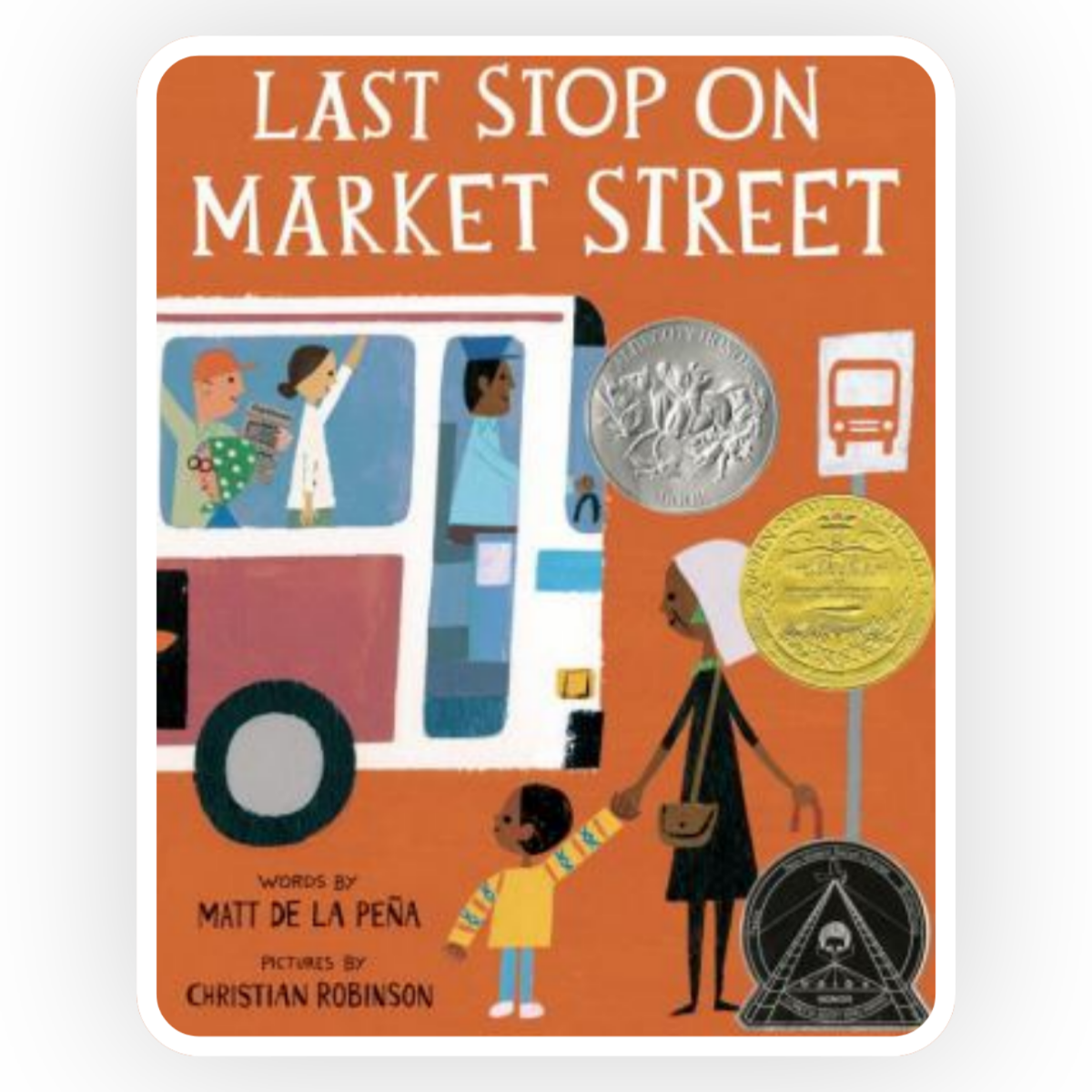
The Last Stop on Market Street follows CJ and his grandmother as they take their weekly bus ride across town while appreciating the beauty in the world around them.
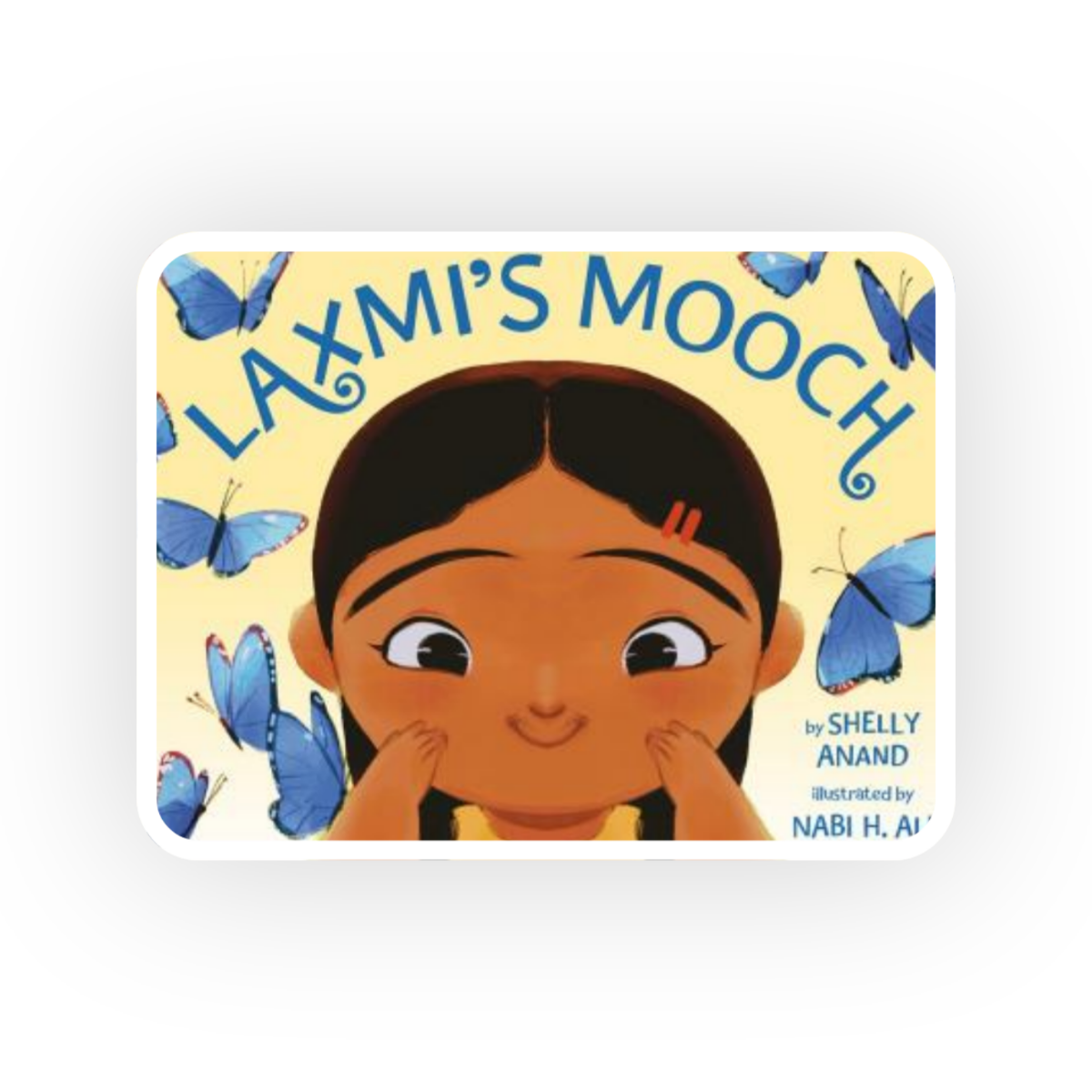
Laxmi’s Mooch is a body-positive tale of accepting one’s differences and seeing the beauty in all.
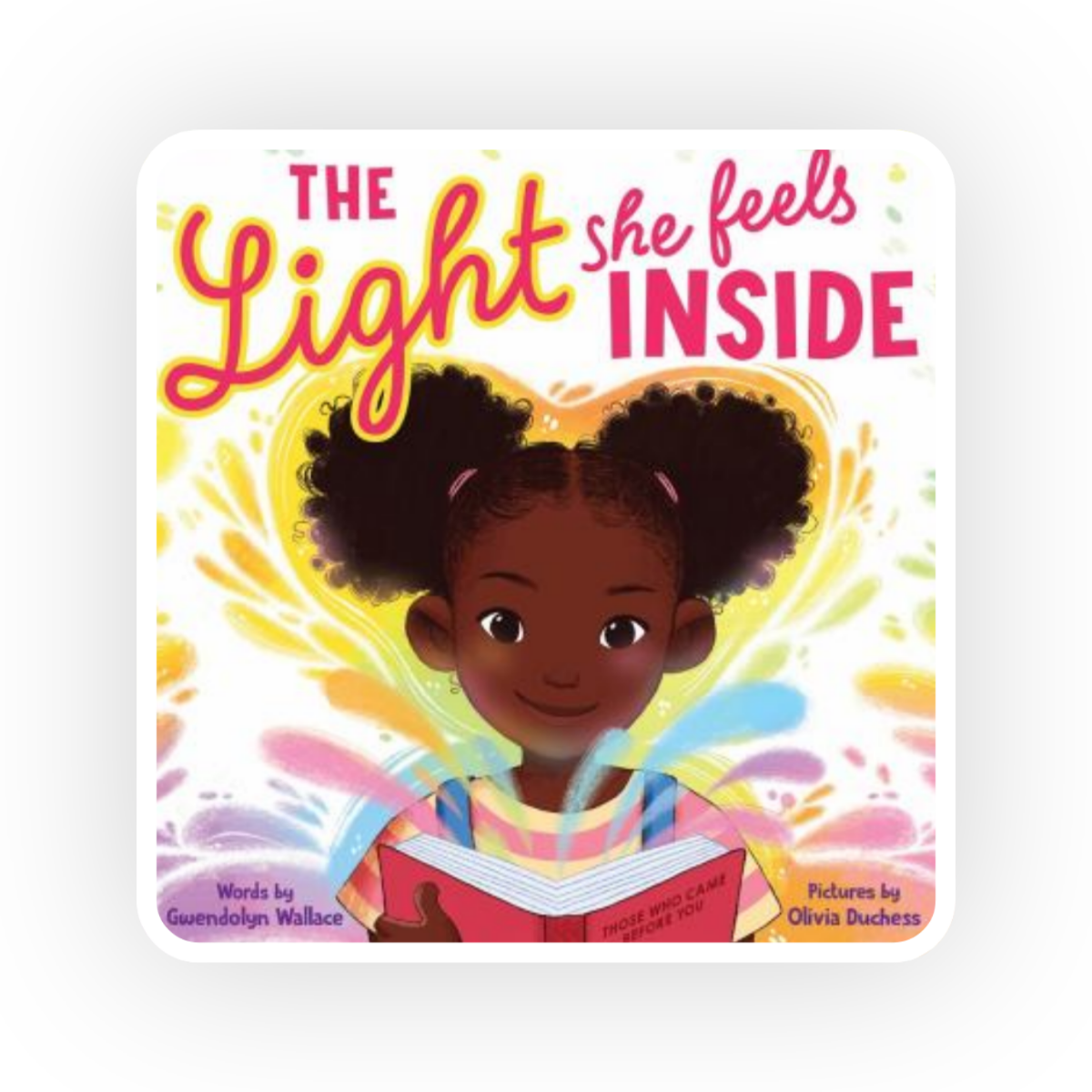
In The Light She Feels Inside, Maya learns she is not the only one who has big feelings.
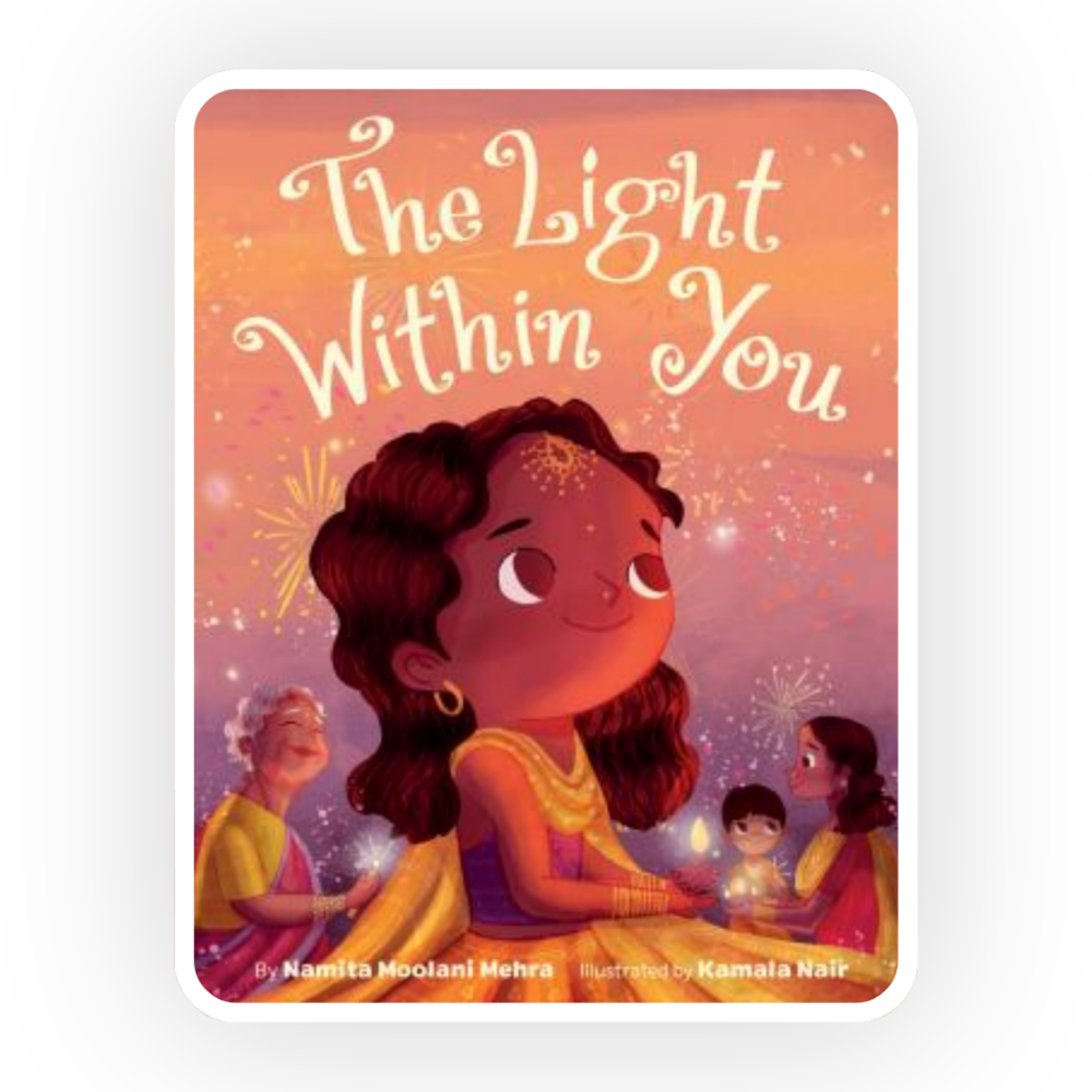
The Light Within You by Namita Mehra follows a lonely young girl who is struggling to fit in her school. She then journeys to India where she discovers the meaning of Diwali.
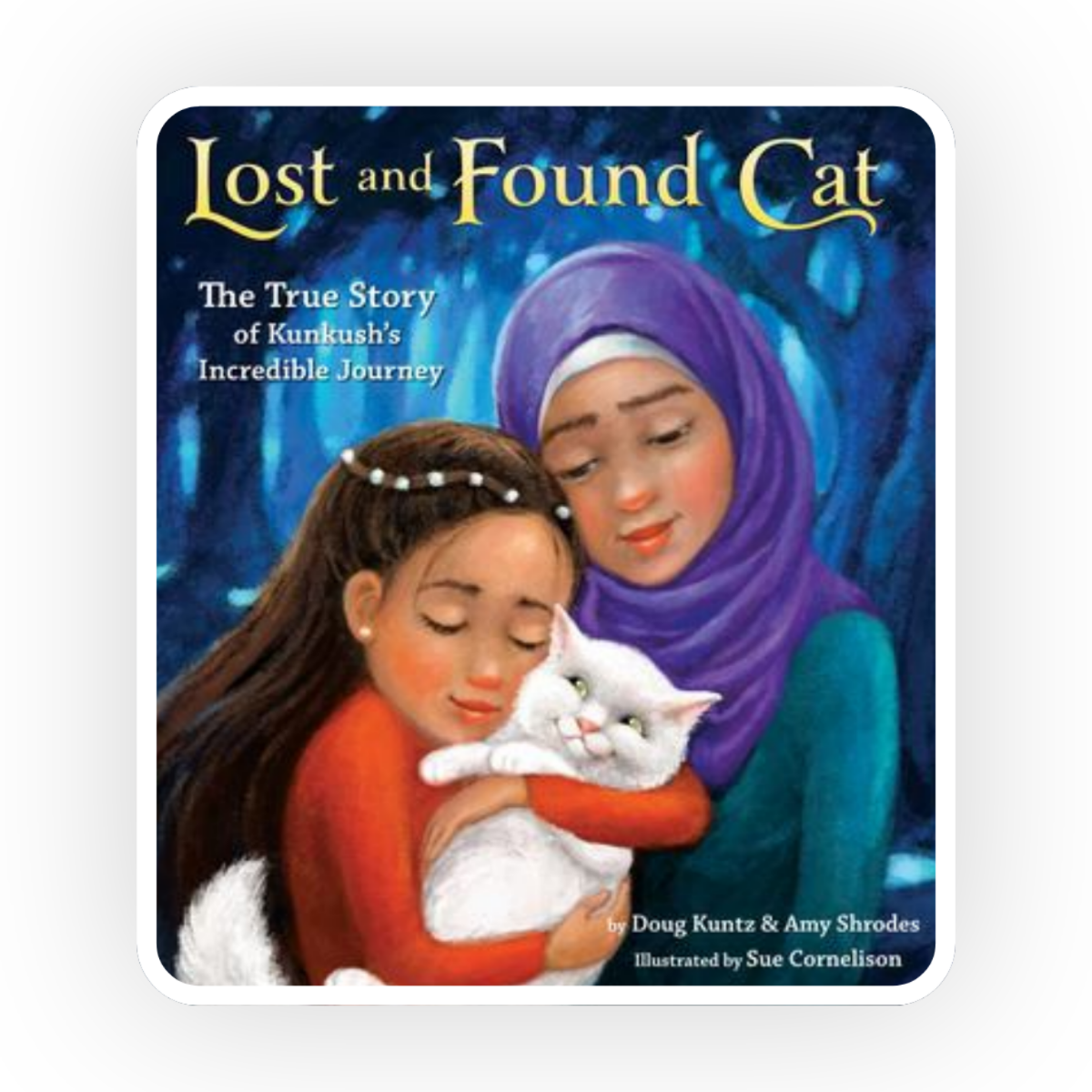
Lost and Found Cat by Doug Kuntz and Amy Shrodes tells the heartwarming true story of an Iraqi refugee family and their beloved cat, Kunkush.
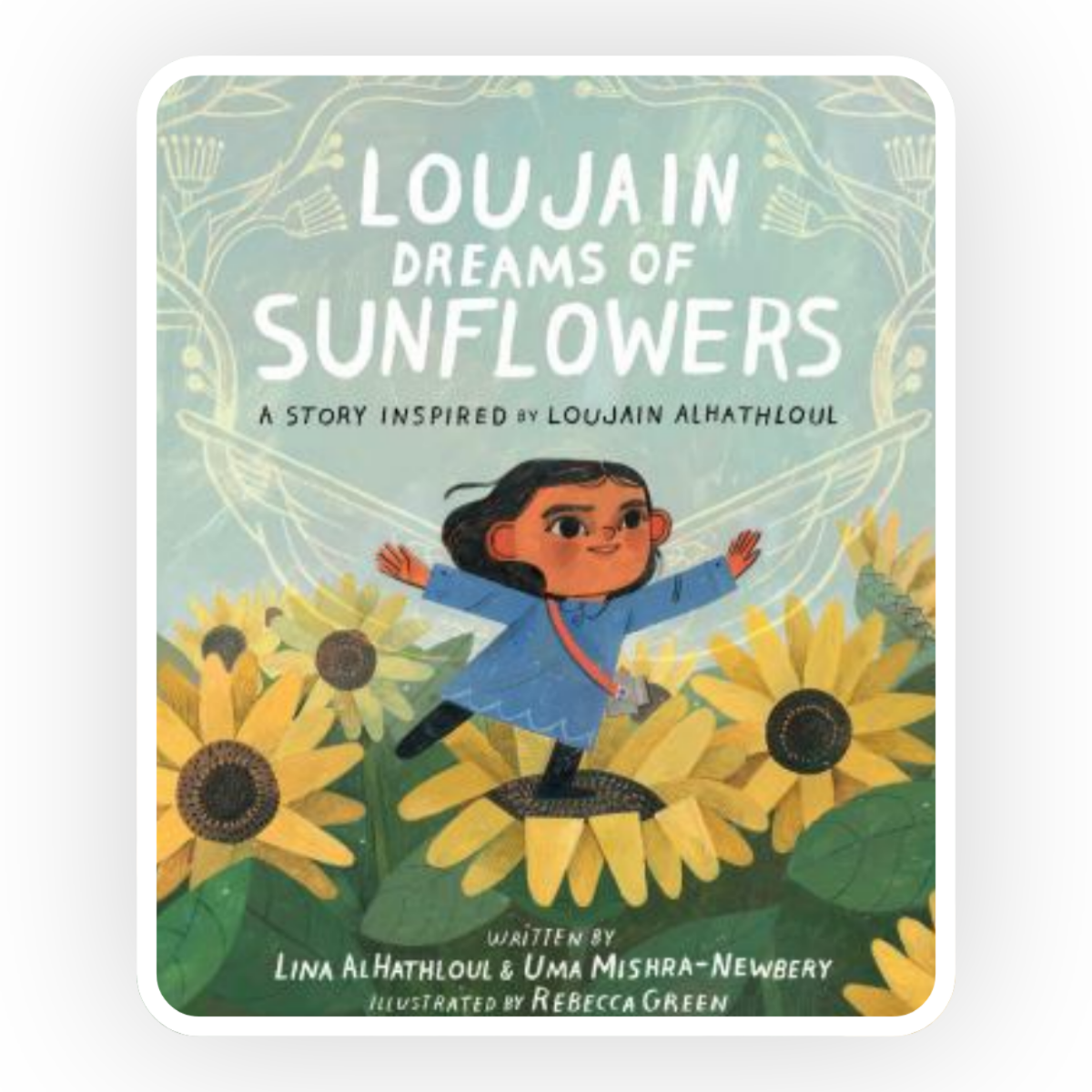
Loujain Dream of Sunflowers reminds us of the importance of persisting in the face adversity to bring about change.
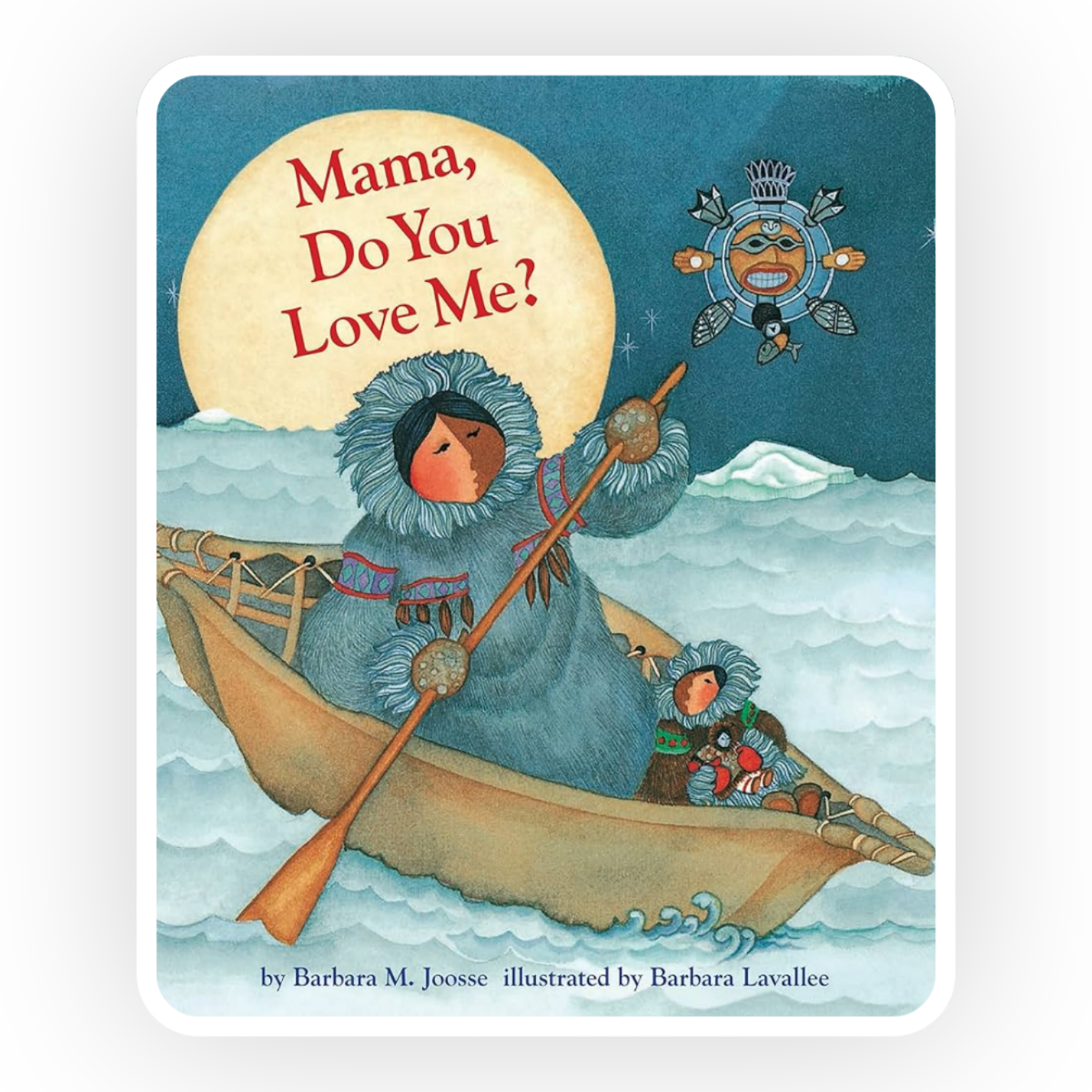
Mama, Do You Love Me? by Barbara Joose is a beautifully illustrated tale of unconditional love of an Inuit mother for her child set in the Arctic.
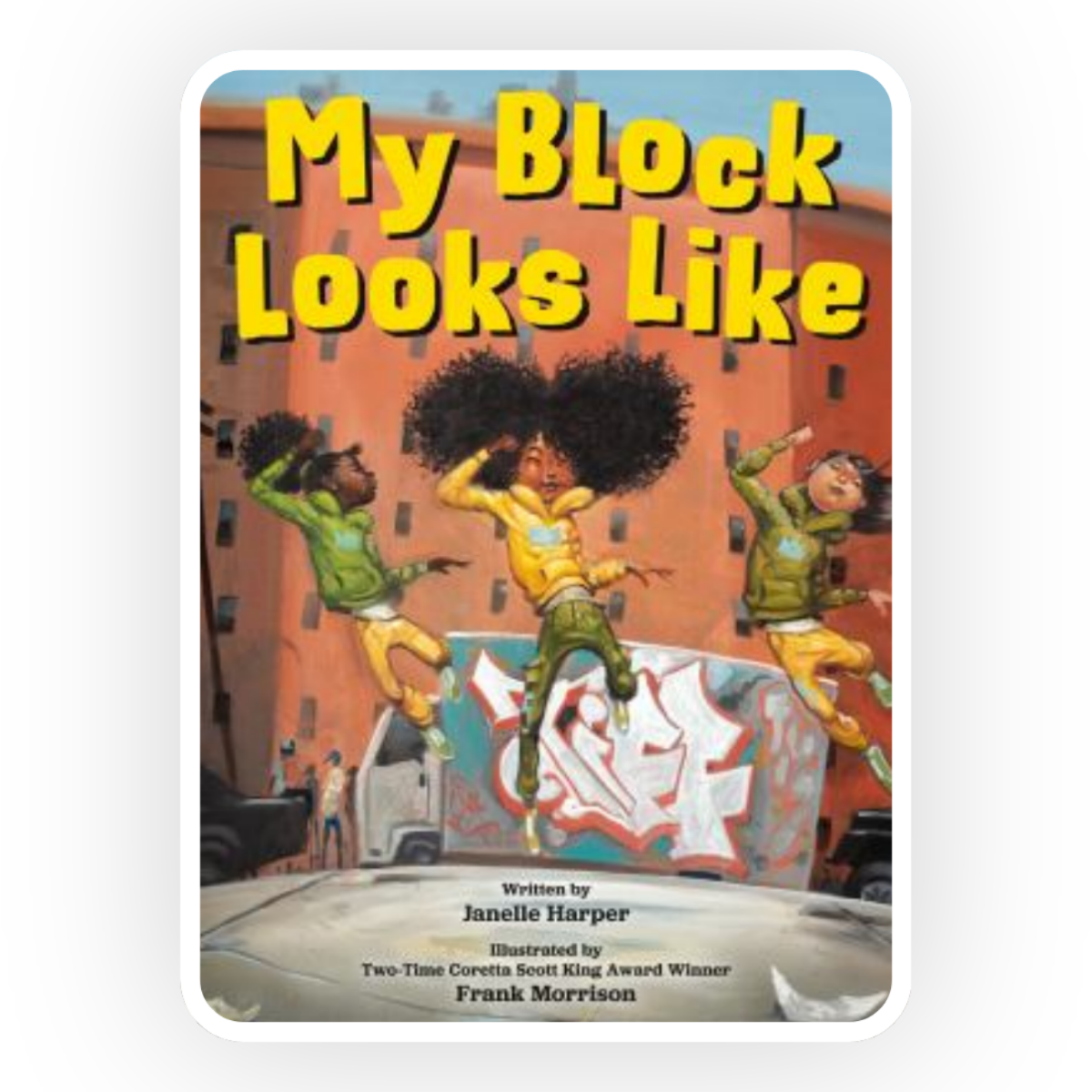
My Block Looks Like recognizes the beauty in the subways, playgrounds and many bodegas of the Bronx.
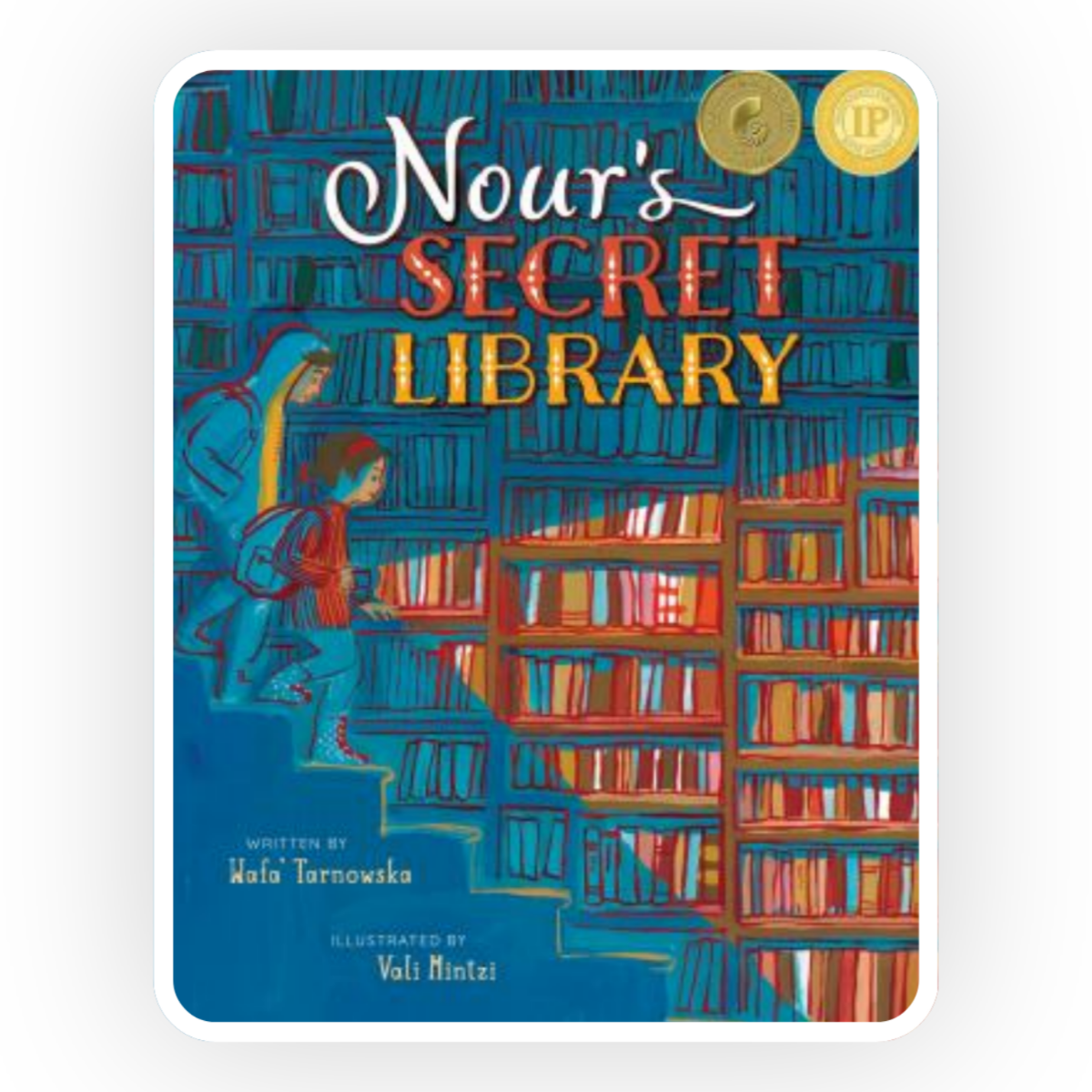
In Nour’s Secret Library, Nour and her cousin collect abandoned books to create a secret underground library in their war-torn city in Syria.
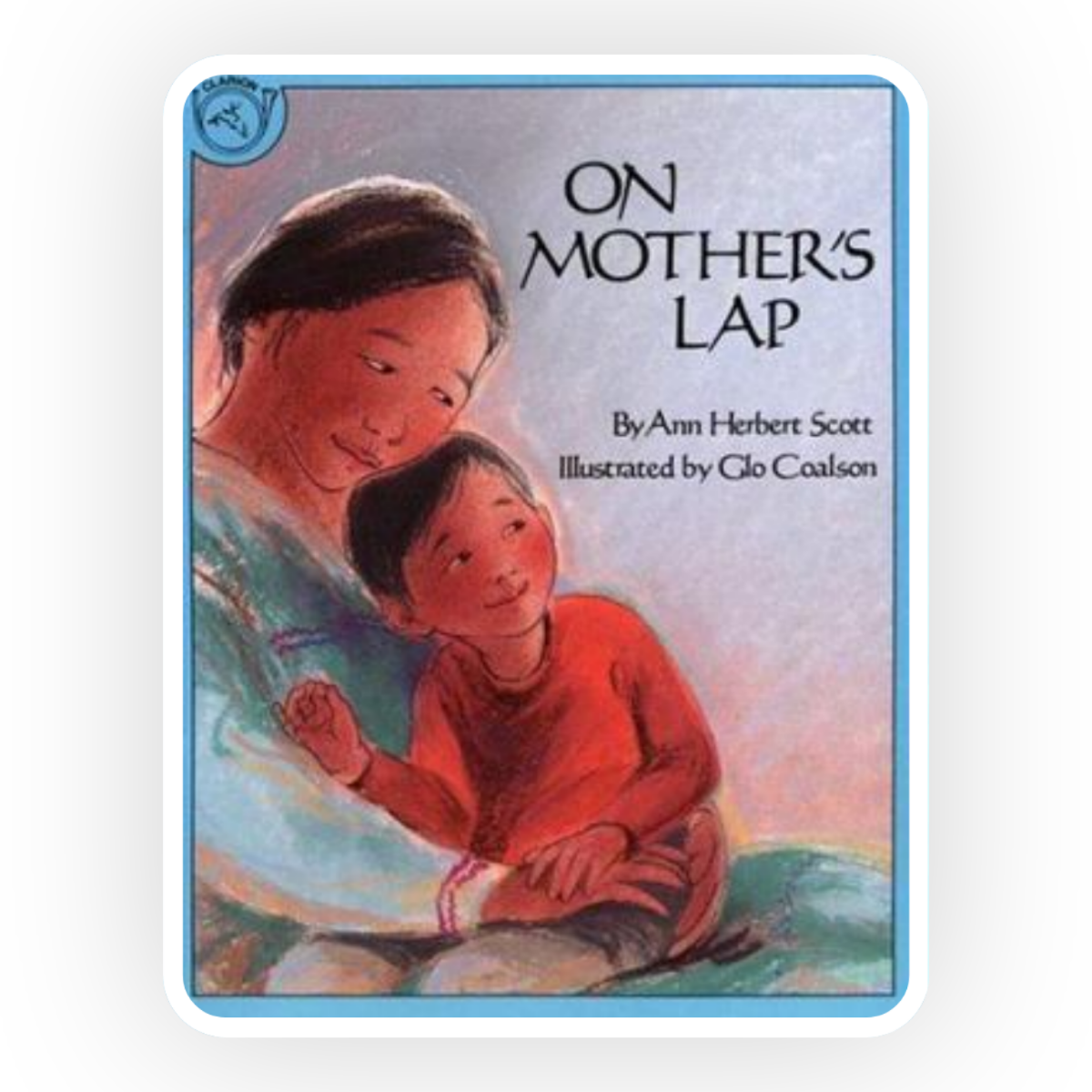
In On Mother’s Lap, a young Inuit boy discovers that there’s always room for himself and his baby sister on their mother’s lap.
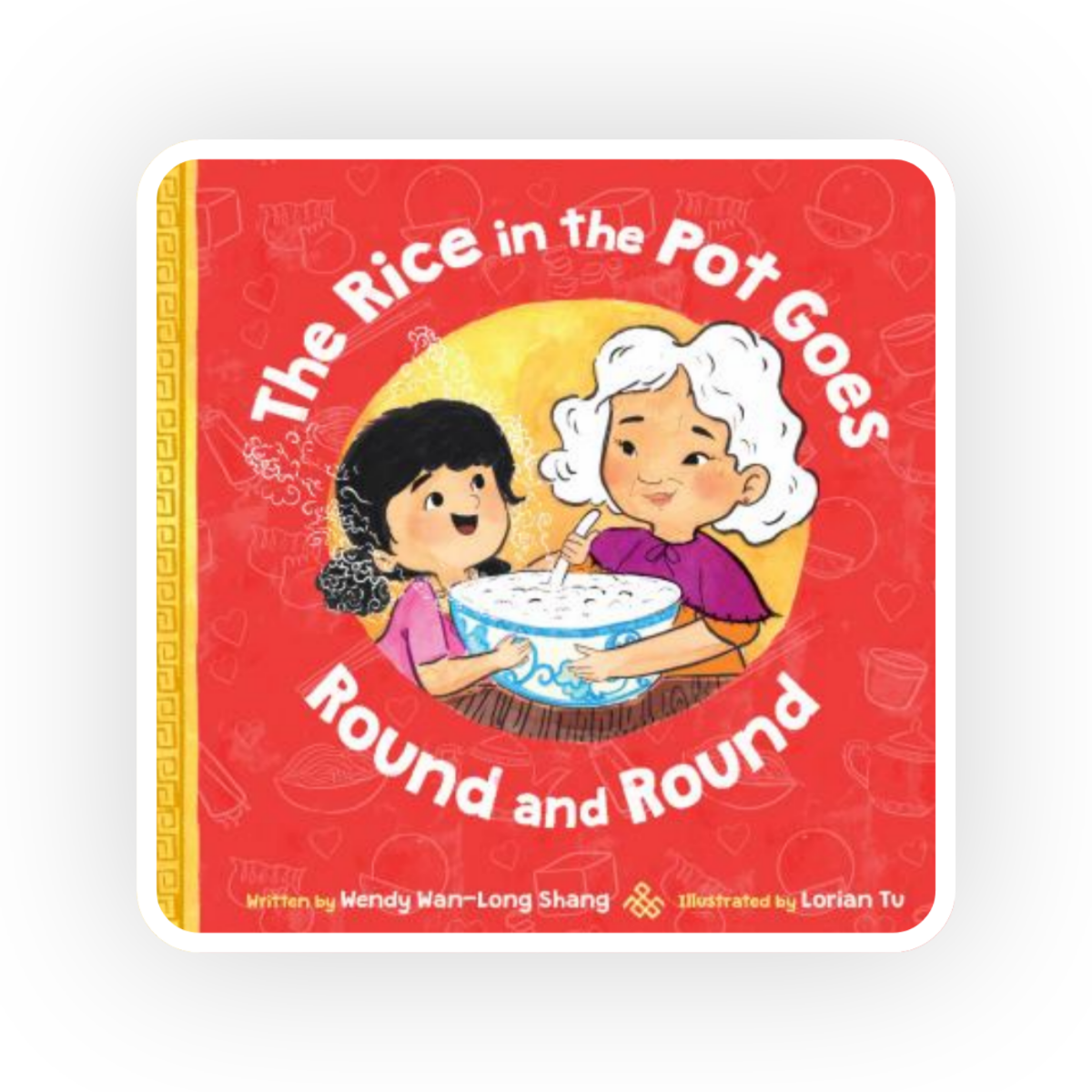
The Rice in the Pot Goes Round and Round is a twist on the well known “Wheels on the Bus” that celebrates Chinese food and a multigenerational family gathering.
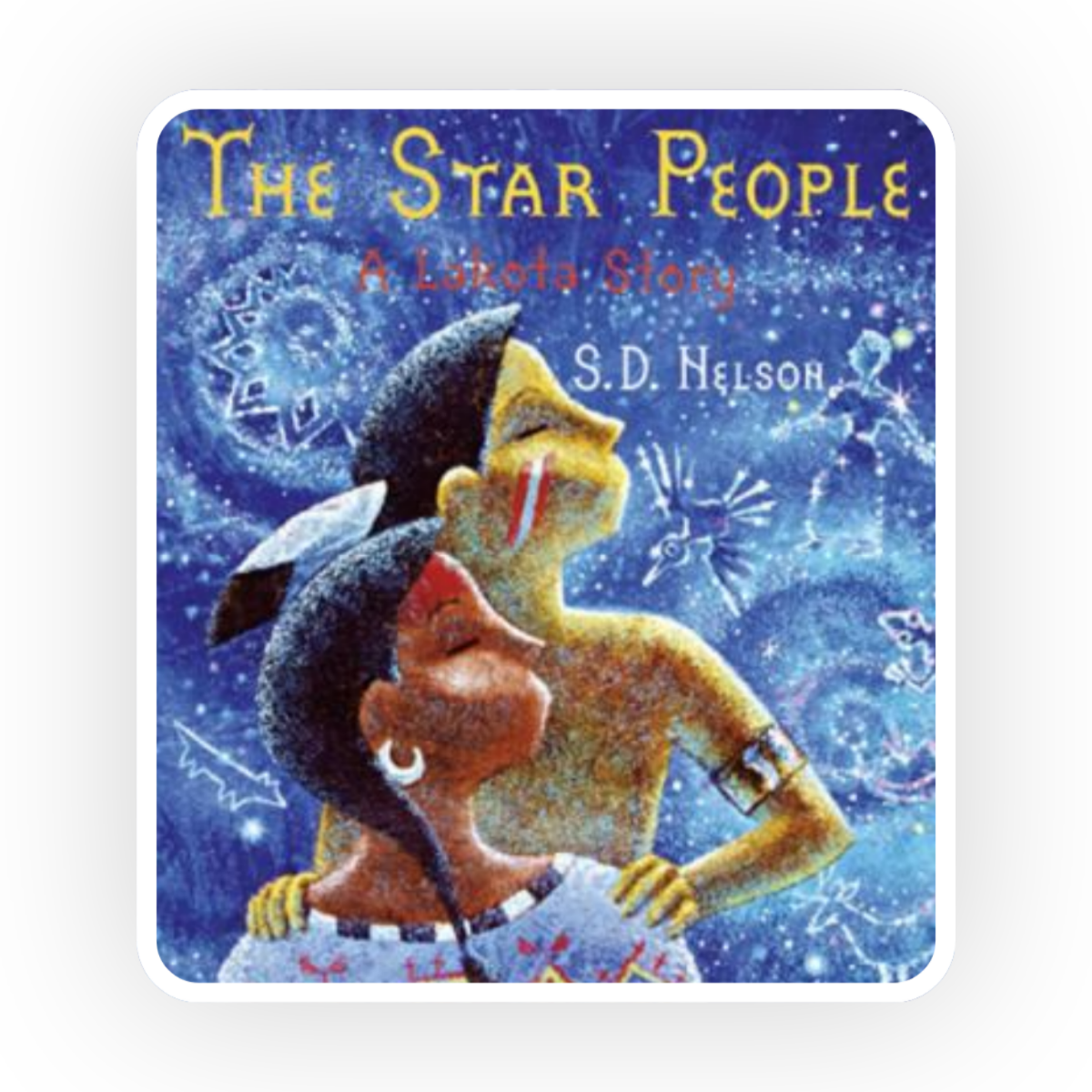
In The Star People, a young Lakota girl narrates the story of how she and her brother survive a prairie fire.
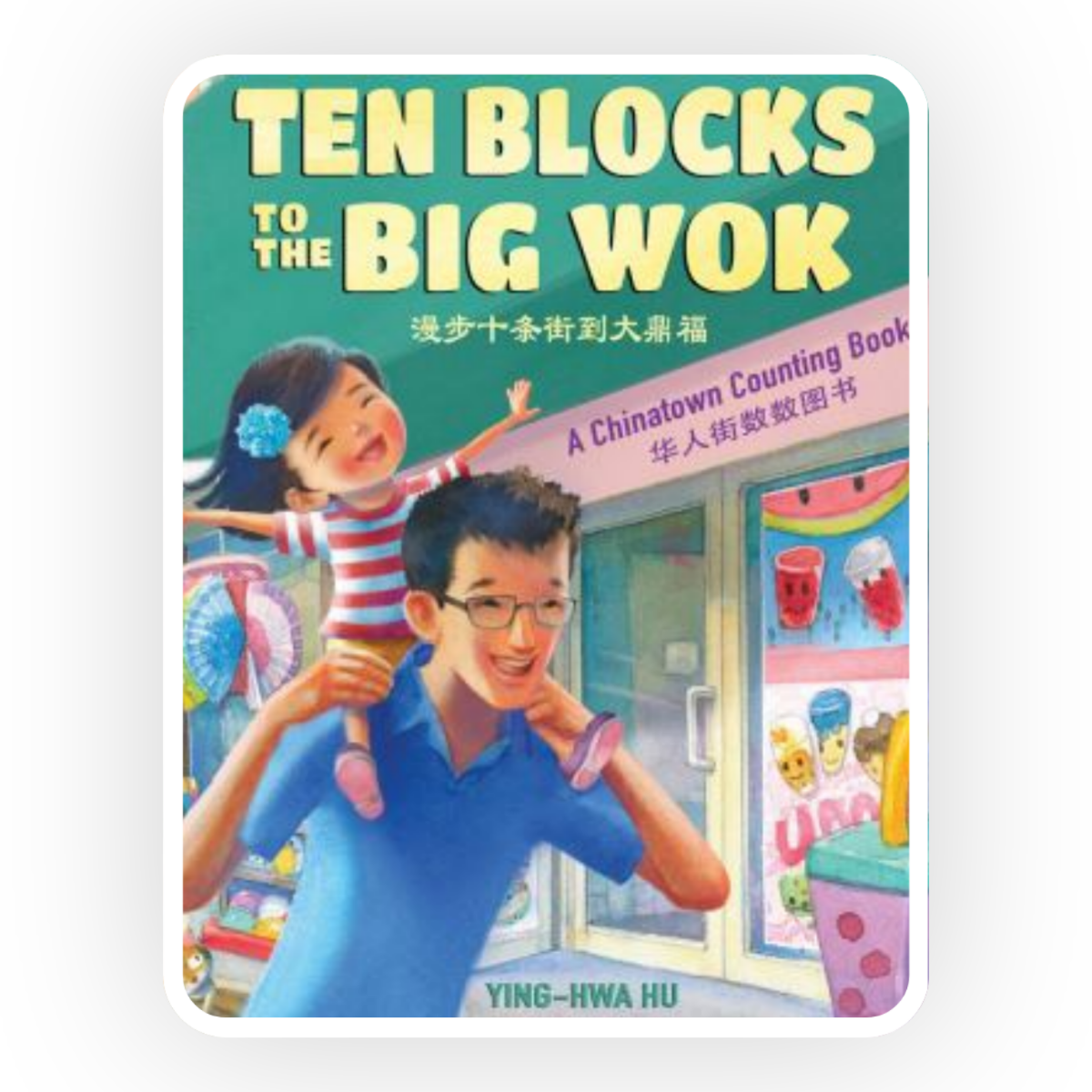
Ten Blocks to the Big Wok is a bilingual English and Chinese counting book following a young girl and her uncle on a walk through China Town for Dim Sum.
I We All Play by Julie Flett, we are reminded that we are all connected – kimêtawânaw.
When the Sakura Bloom by Nariso Togo sheds light on the cultural significance of cherry blossom season in Japan.
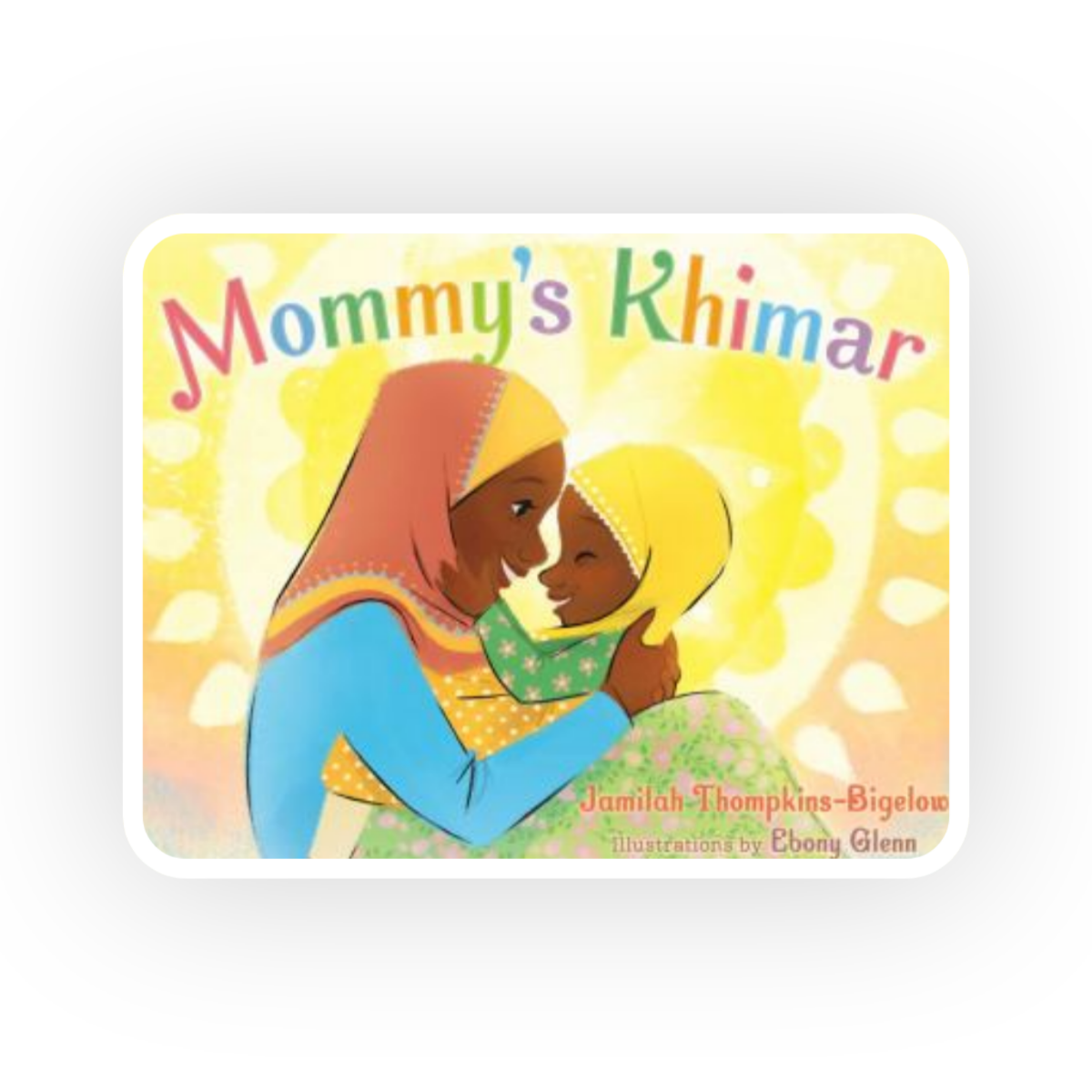
In Mommy’s Khimar, a young girl loves to play dress up with her mother’s headscarves.
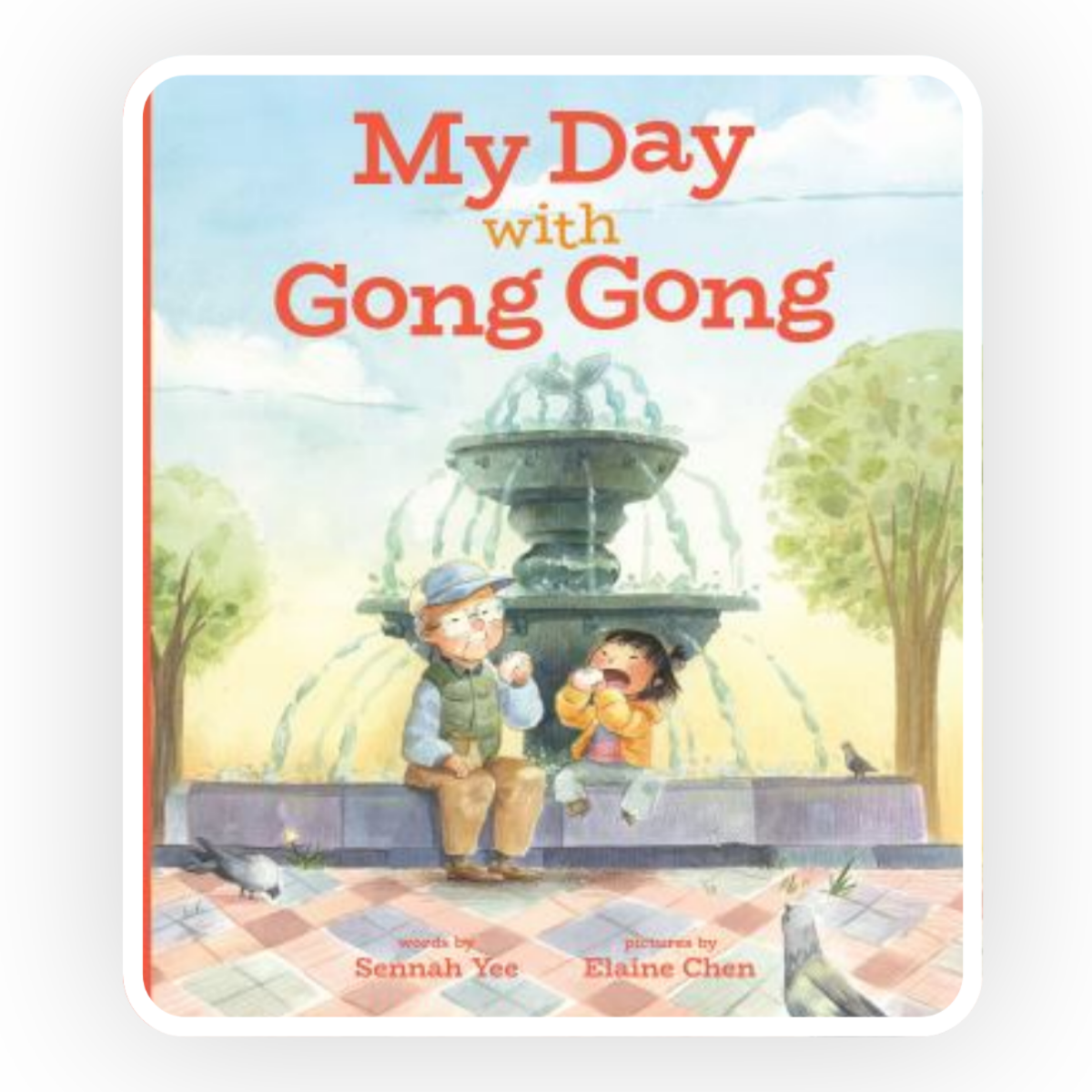
In My Day with Gong Gong, May accompanies her non-English speaking Grandfather on a series of errands through the streets of Chinatown.
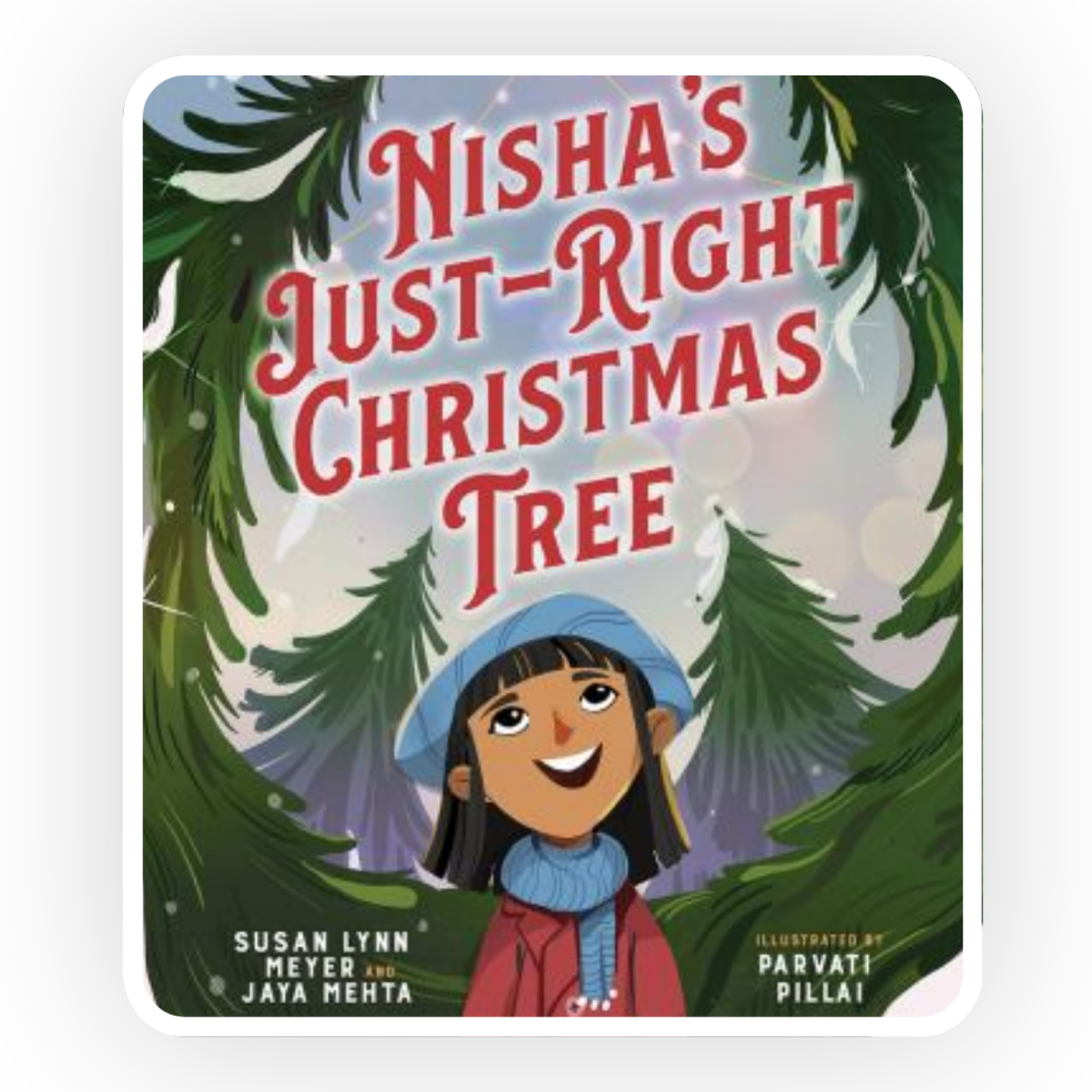
Nisha’s Just-Right Christmas Tree features a multicultural family embarking on a holiday tradition of finding and decorating their very own Christmas tree.
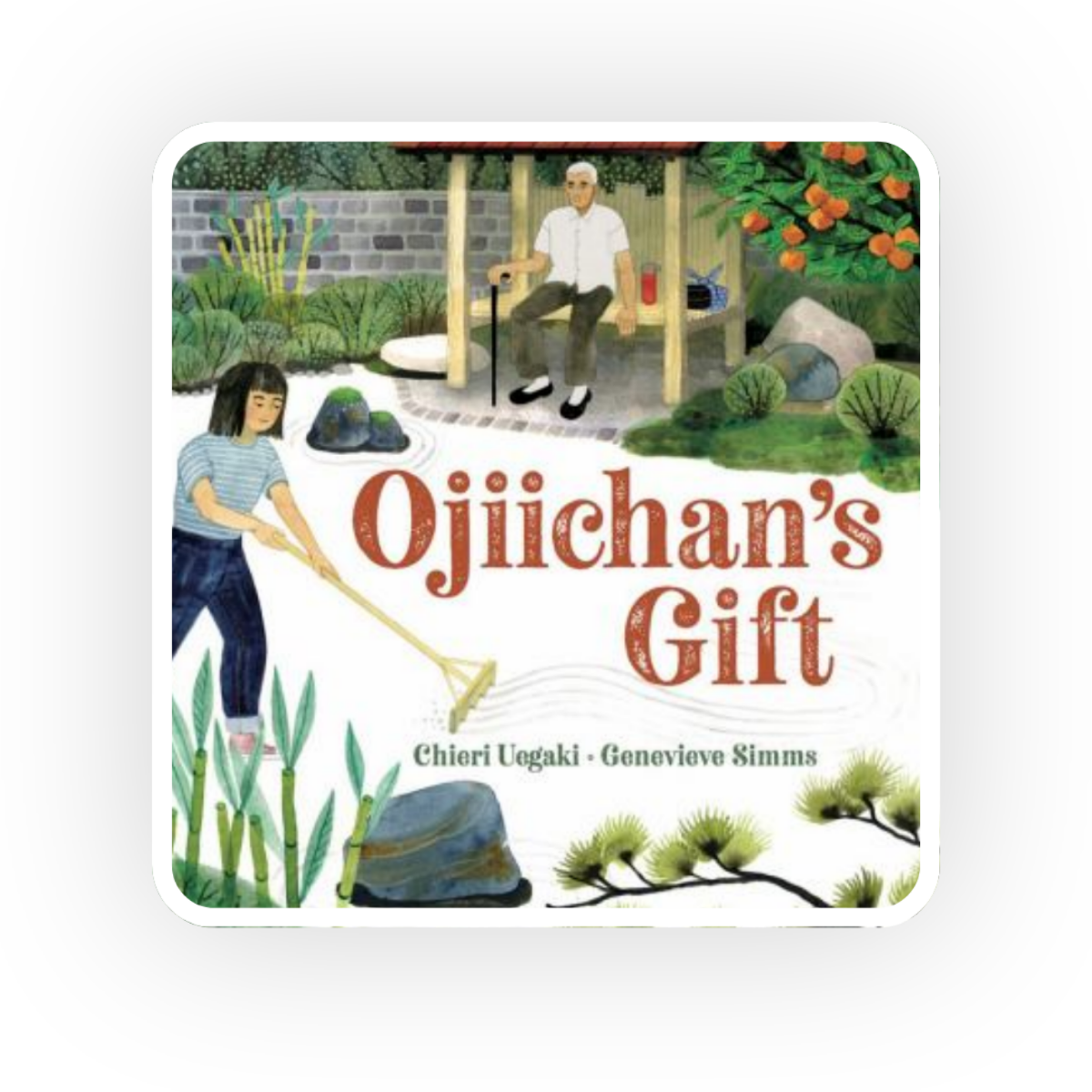
In Ojichan’s Gift, Mayumi visits her grandfather in Japan where he has created a garden for her. It was unlike any other garden she had ever seen as it was a collection of stones.
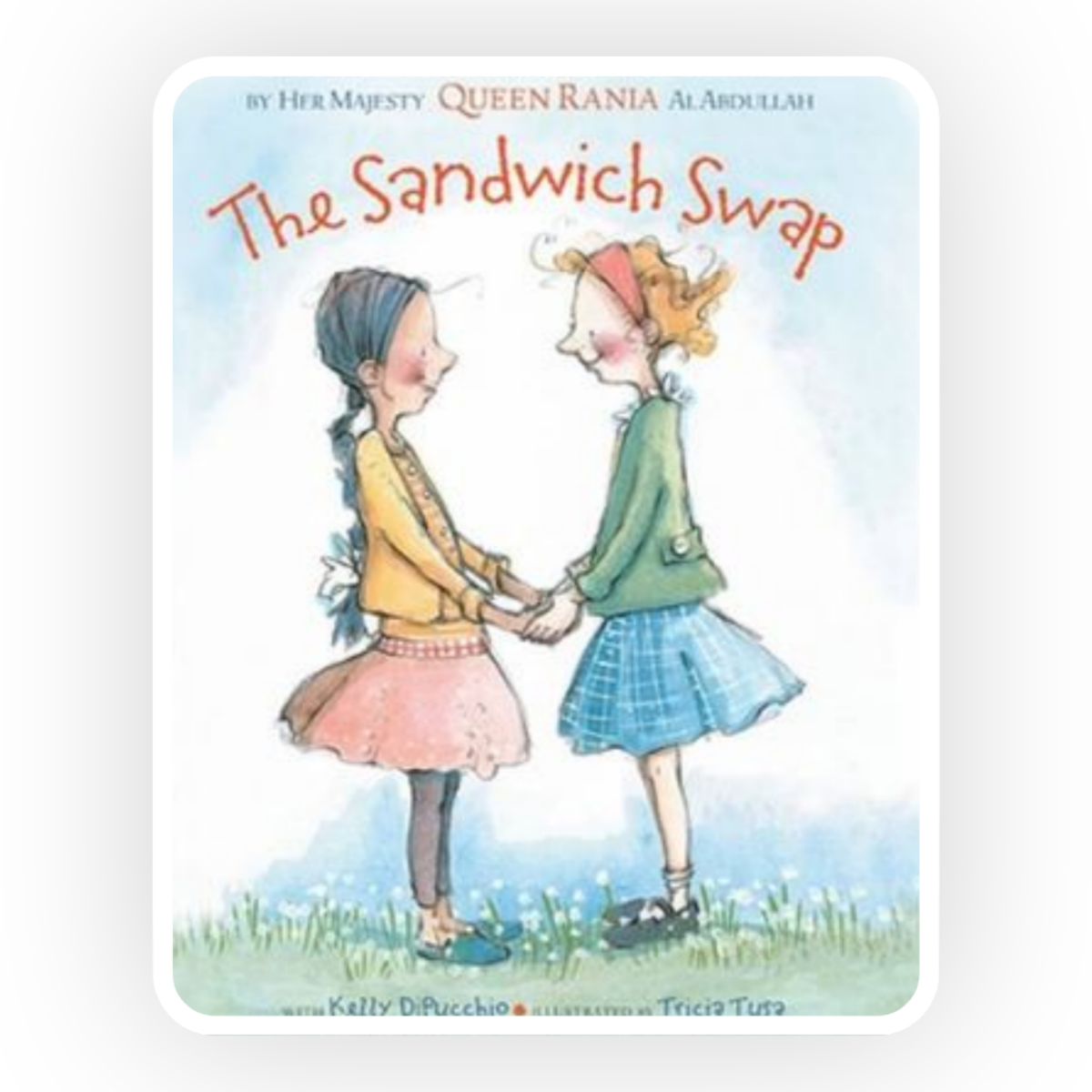
In the Sandwich Swap, Lily and Salma, are best friends who share everything together except at lunch time until one day they decide to try something new.
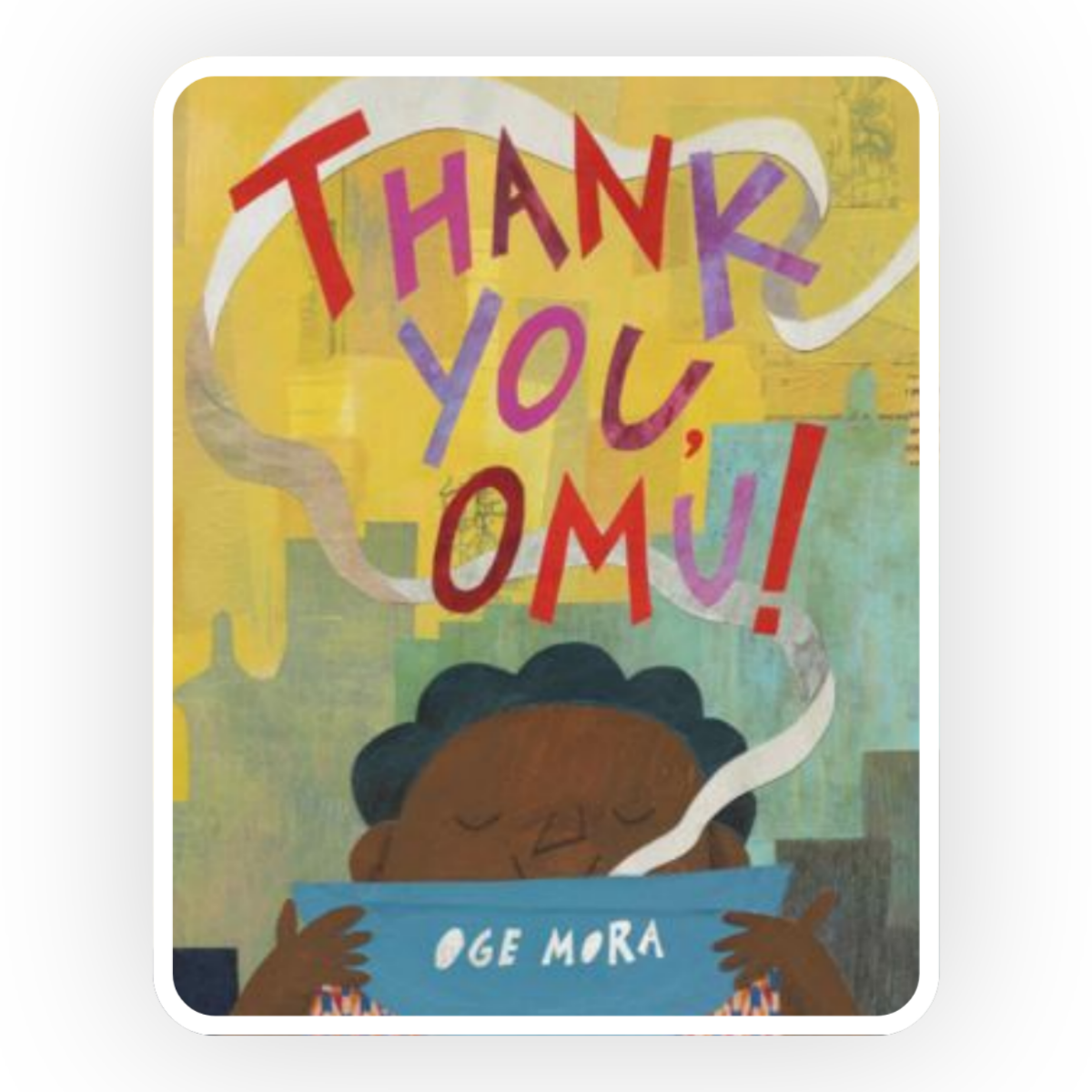
Thank you, Omu! by Oge Mora follows Omu who shares her delcious stew with anyone and everyone who knocks on her door.
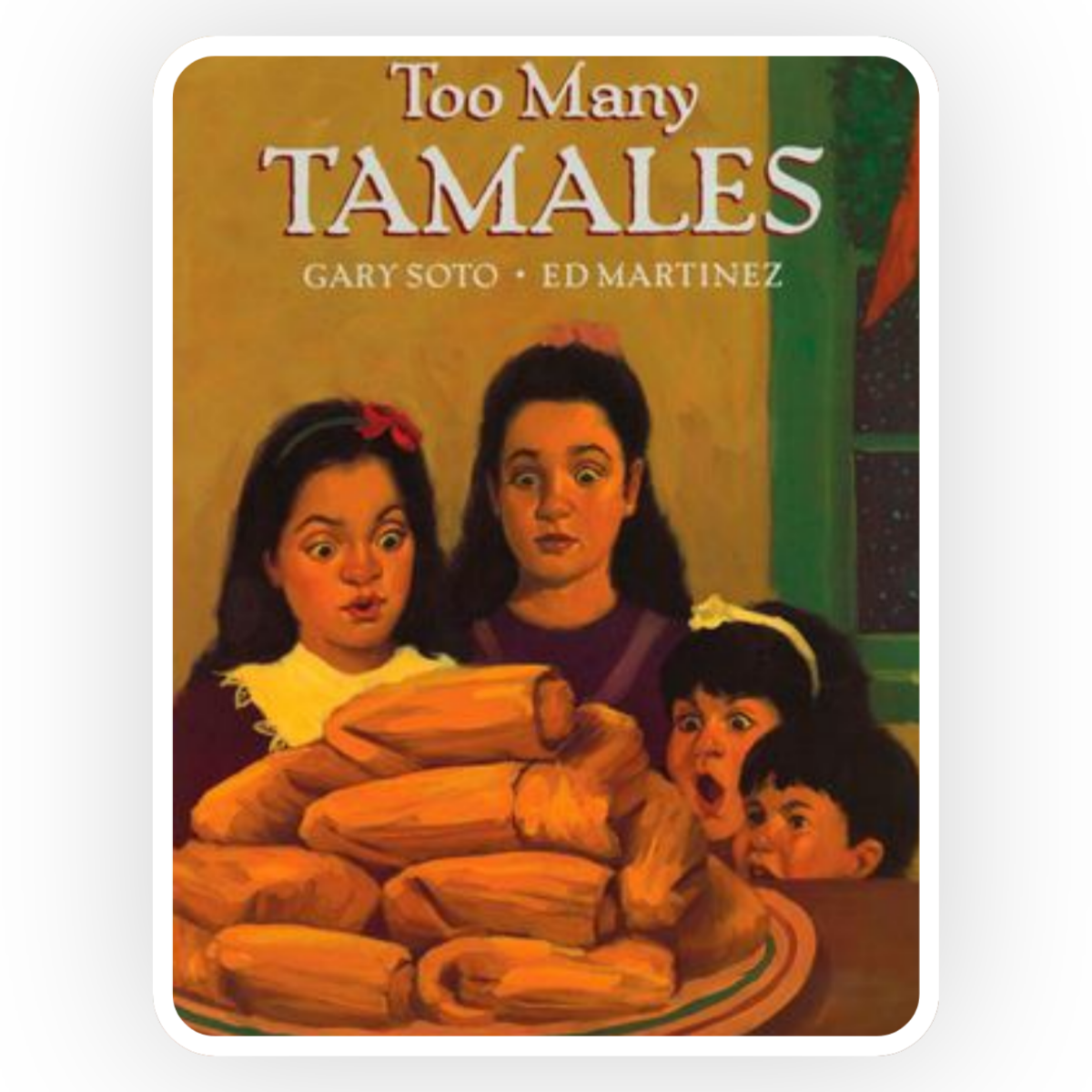
Too Many Tamales by Gary Soto is a Christmas tale of a lost ring that must be found by eating all the Tamales.
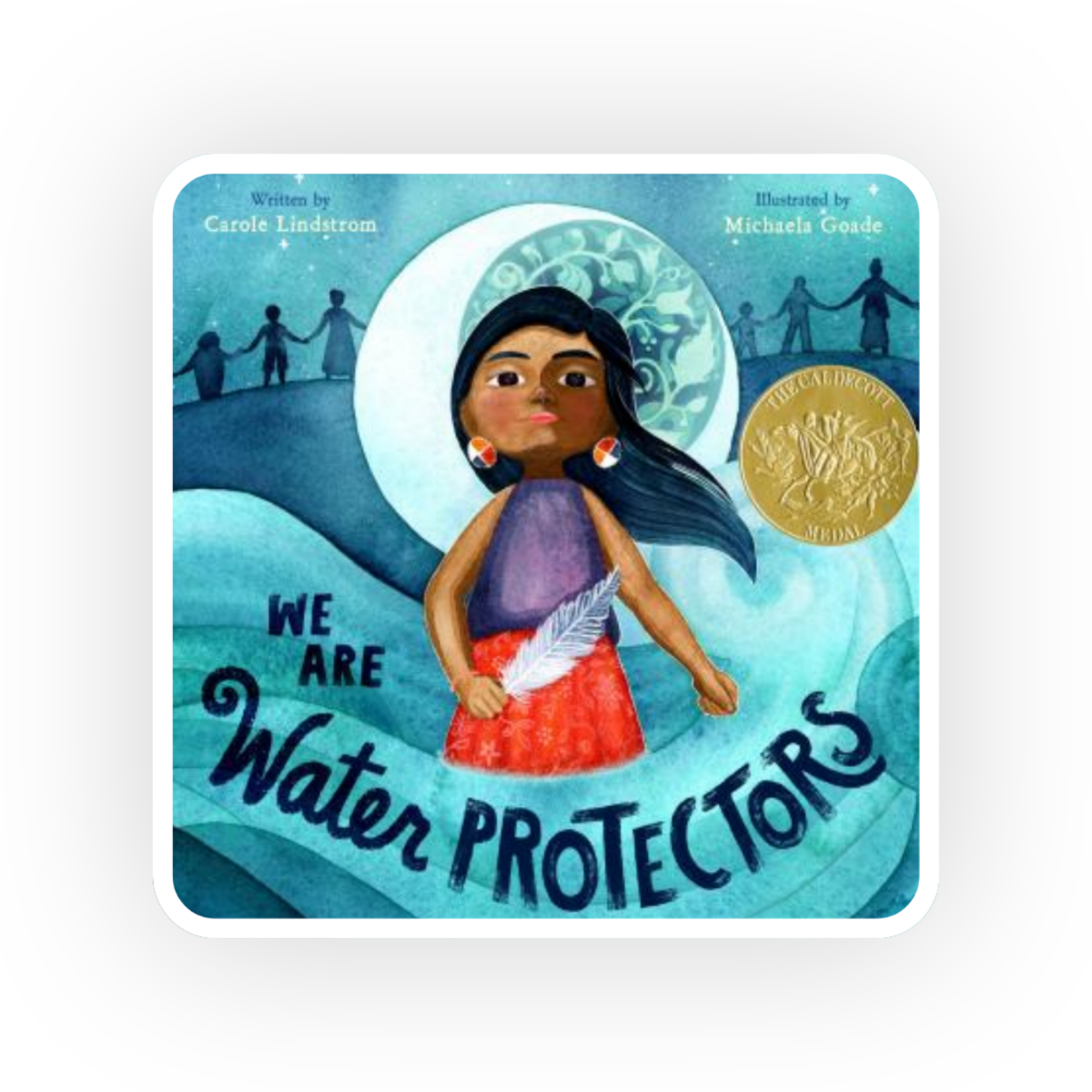
The Water Protectors by Caroline Lindstrom is an indigenous call to action to defend mother Earth’s most sacred resource.
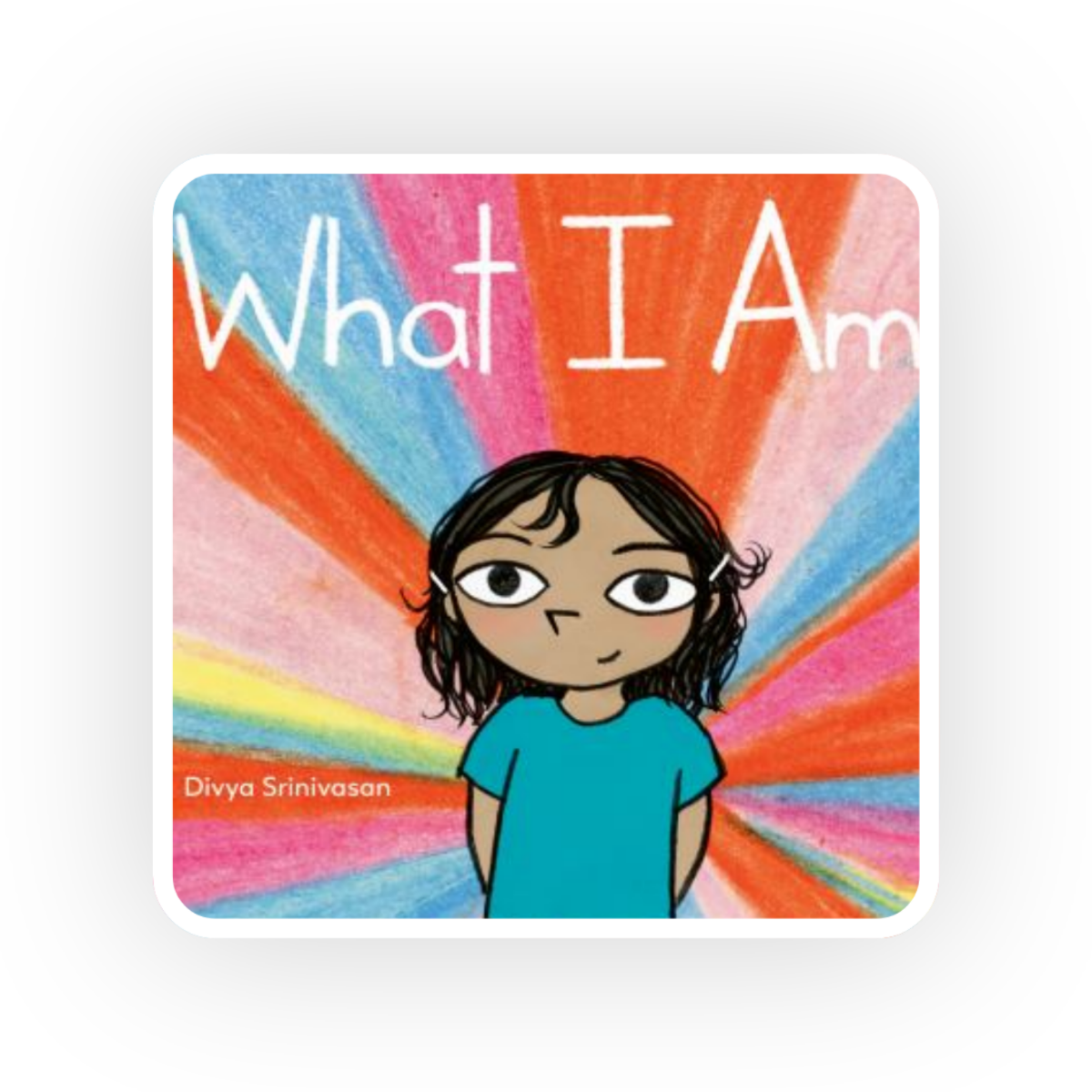
In What I Am, a young girl describe how she can be many things at once – both Indian and American at the same time.
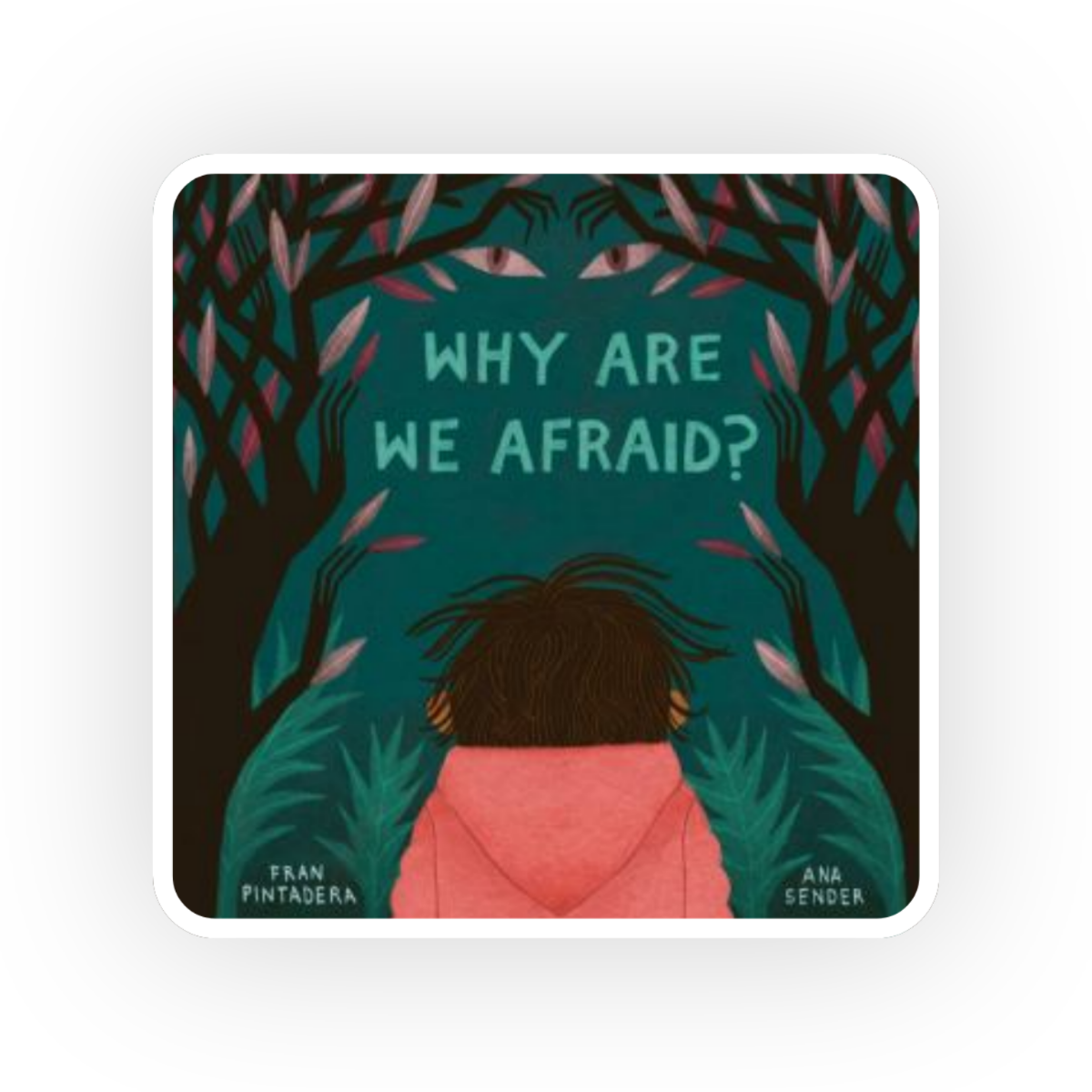
In Why Are We Afraid by Mihalia Petričić, Max questions his father on the reason for feeling fear.
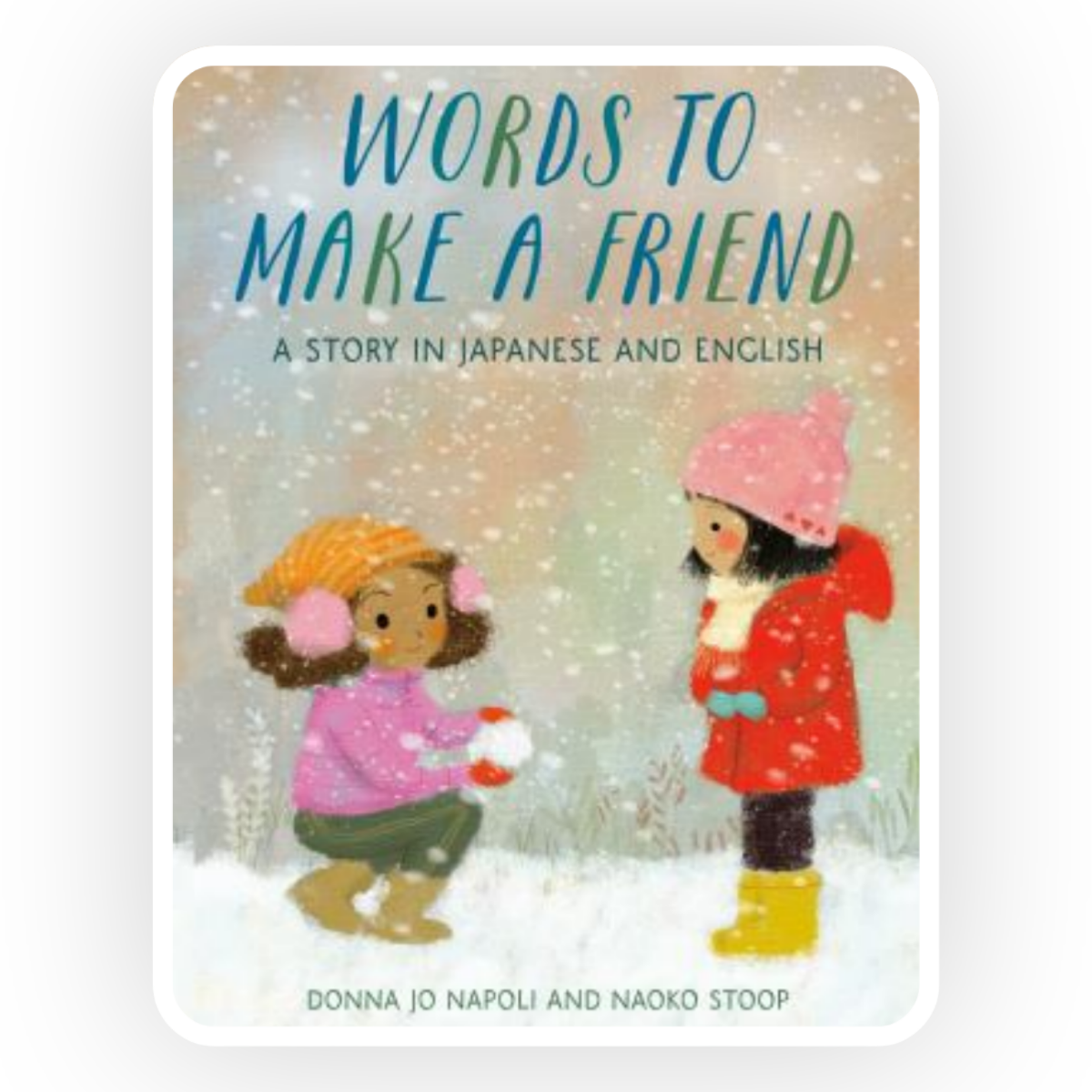
Words to Make a Friend is a bilingual English/Japanese tale that follows two young girls who prove that you not need to speak the same language to have fun.
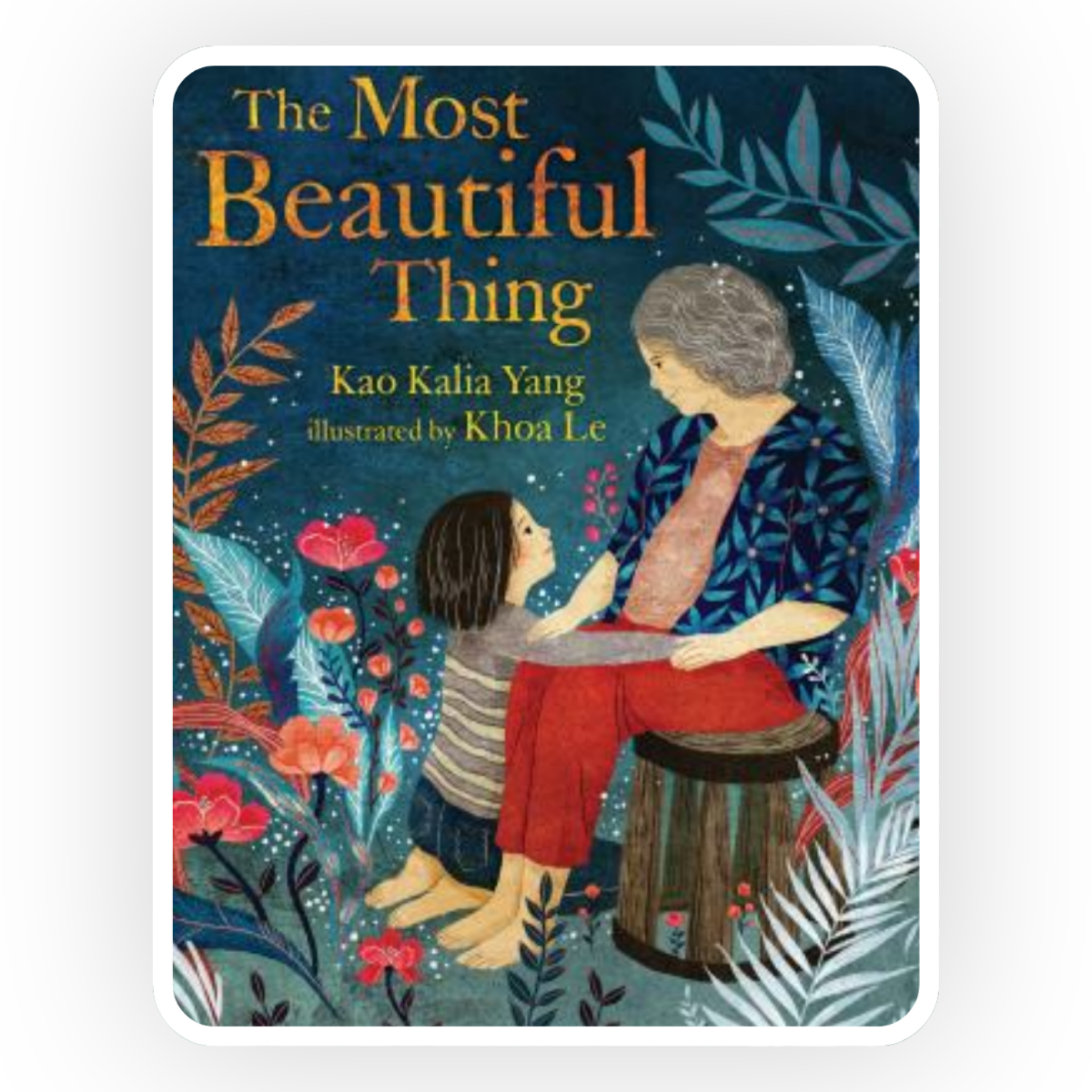
In The Most Beautiful Thing, Kao Kalia Yang reminds us how beauty is found in those we love the most.
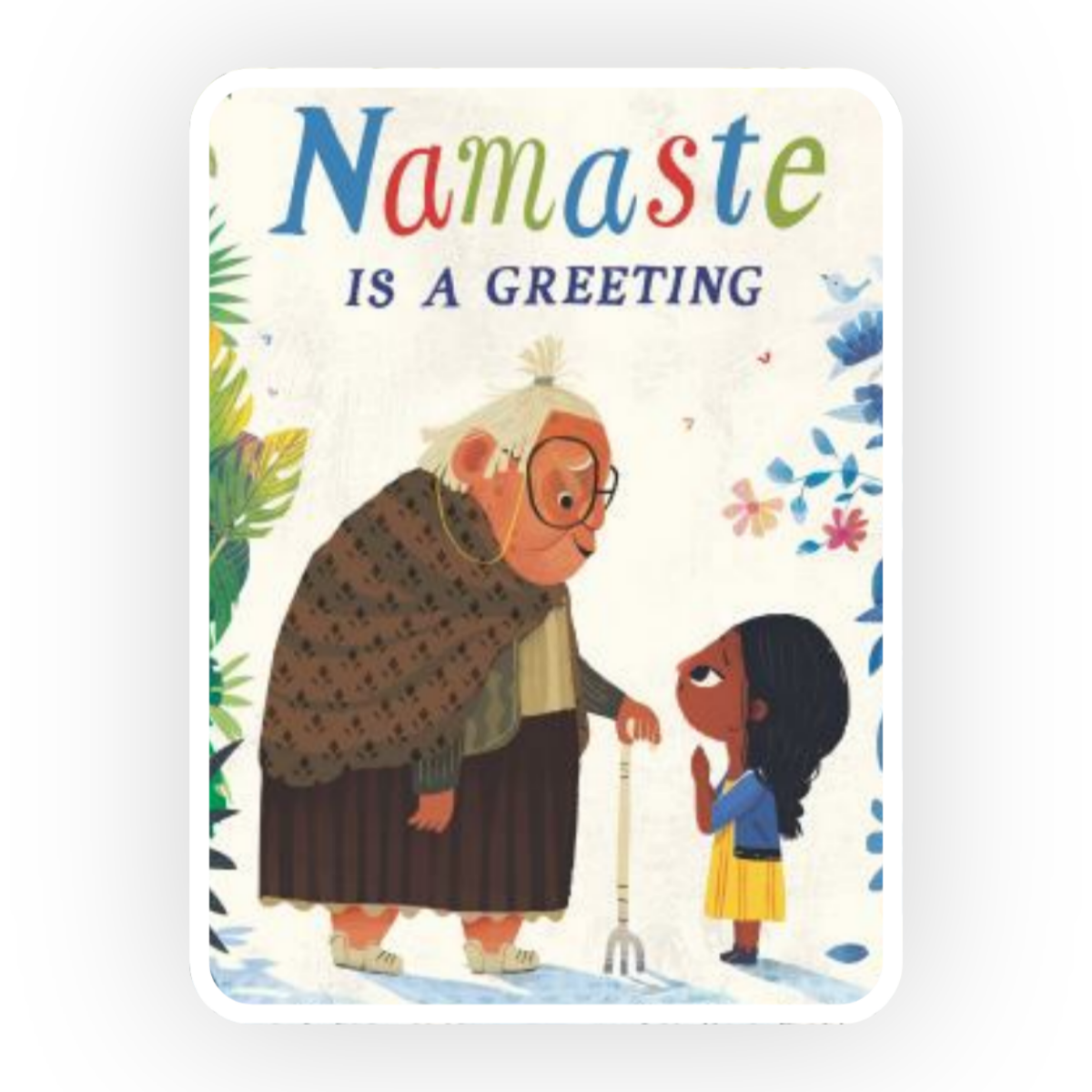
Suma Subramaniam’s Namaste is a Greeting covers the significance of “Namaste” following a young girl as she navigates day to day life.
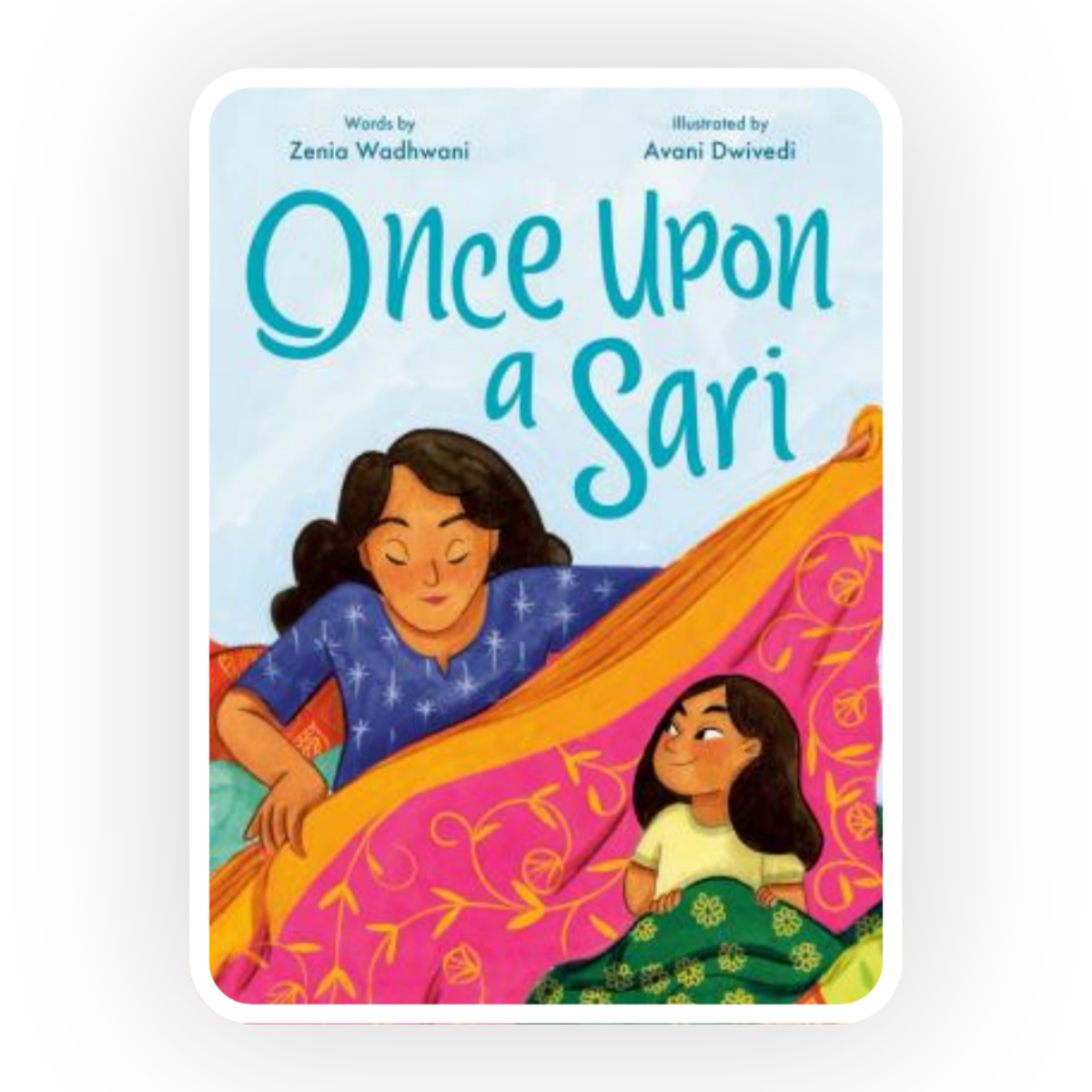
In Once Upon a Sari, Avani enjoys playing with her mother’s saris but soon learns of the memories each one carries.
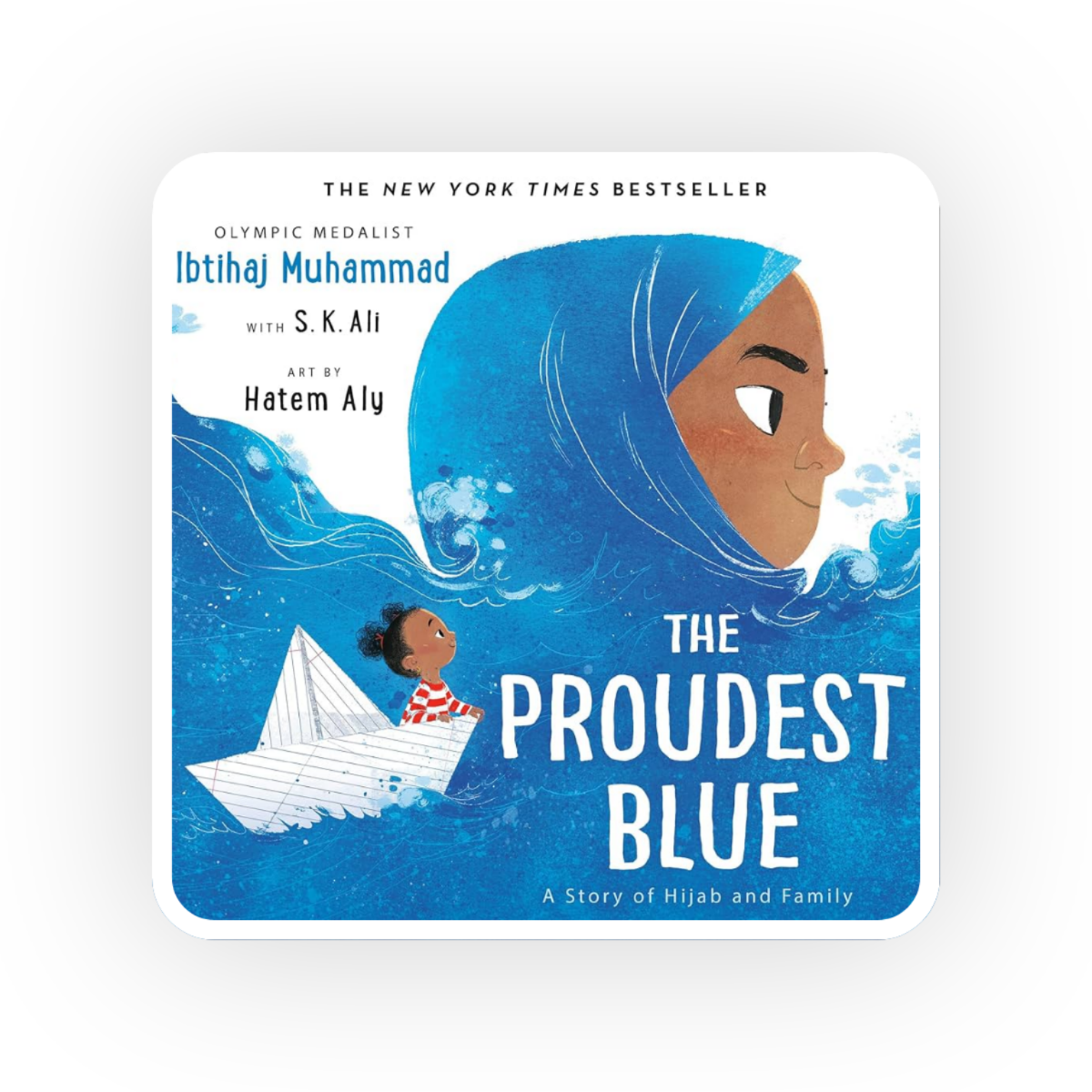
The Proudest Blue by Ibtihaj Muhammad follows two sisters as one embarks on her first day of wearing her Hijab at school.
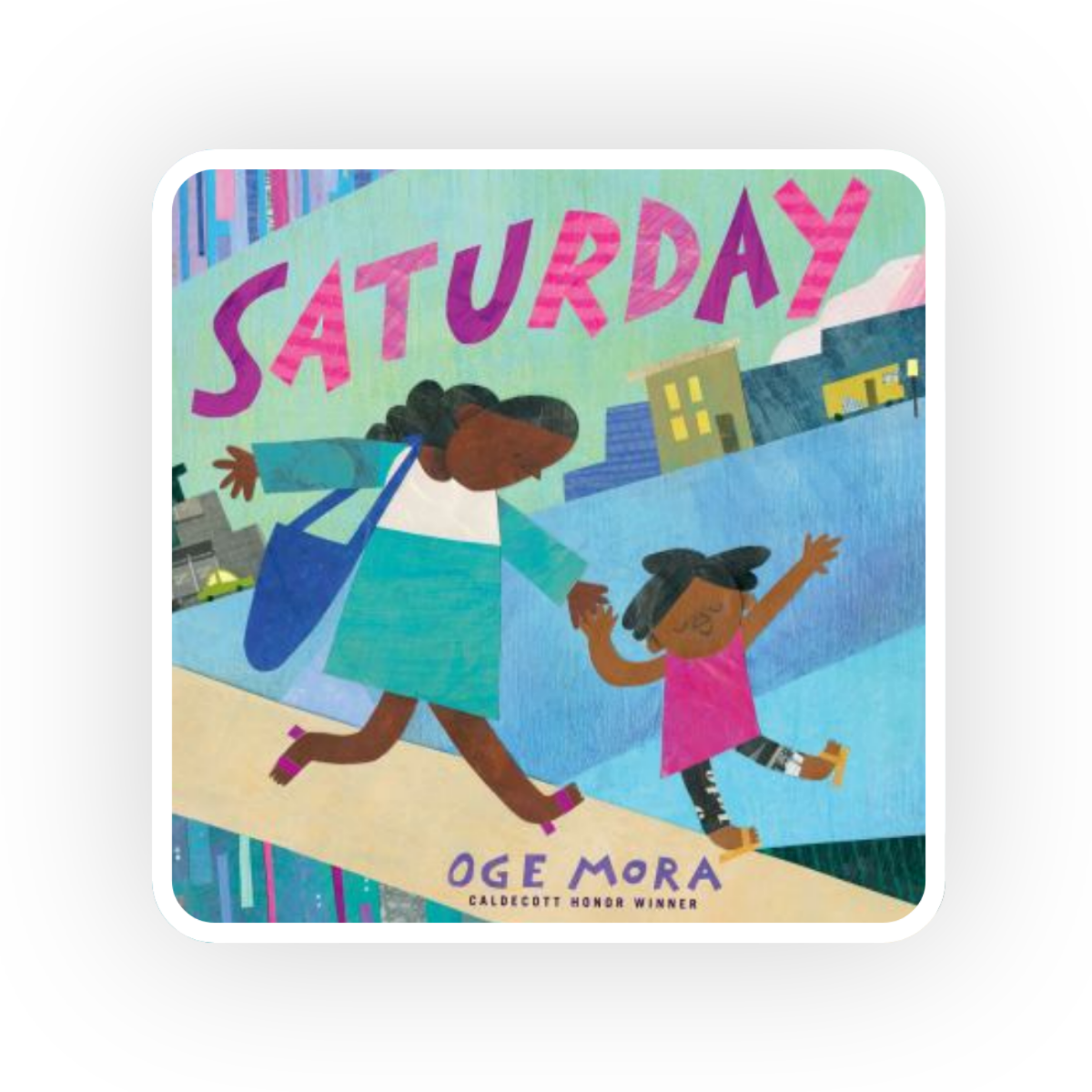
In Oge Mora’s Saturday, a mother and daughter are reminded about what makes their Saturdays together so special.
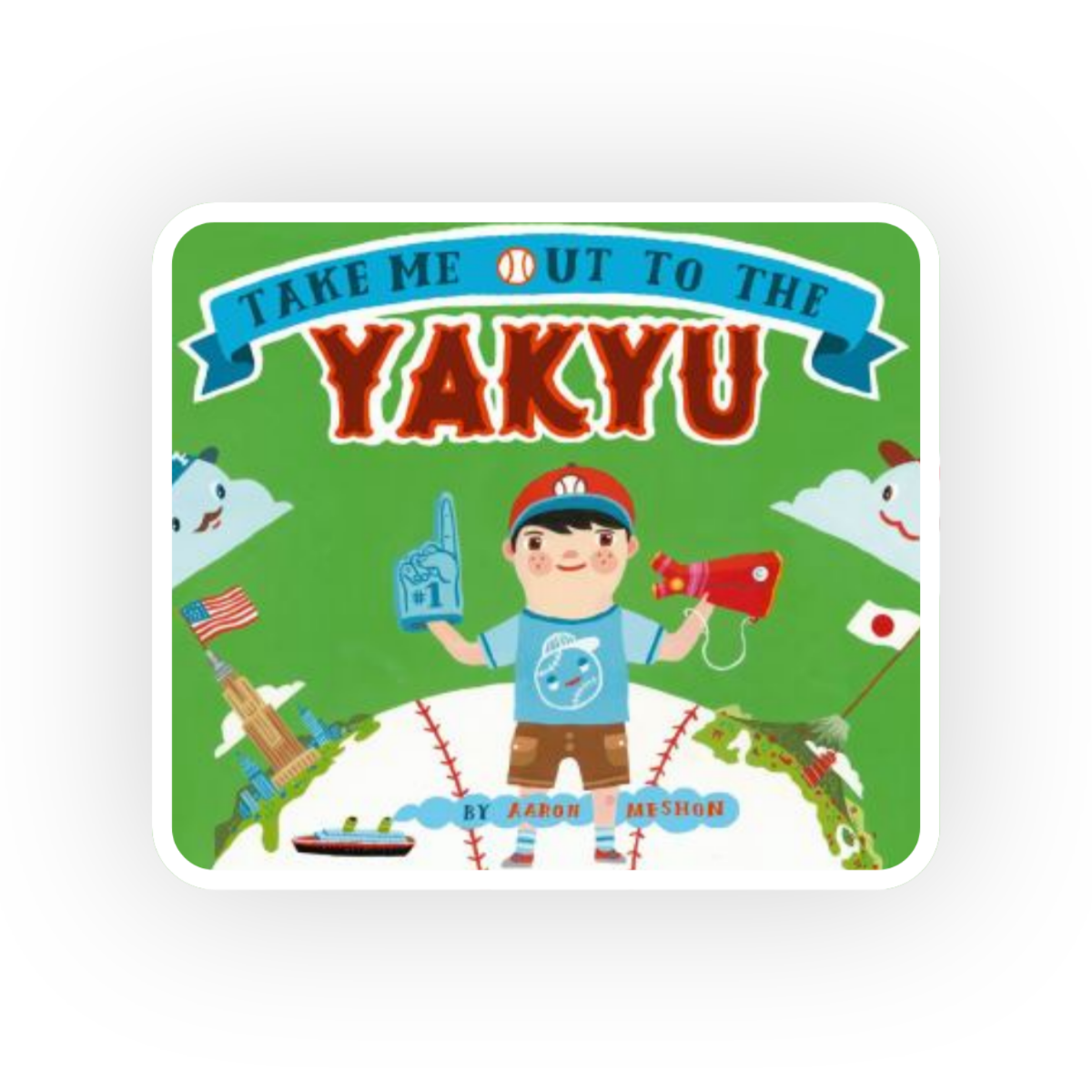
Take Me Out to the Yakyu follows a young boy as he learns about baseball and its rich, varying cultural traditions in both America and Japan.
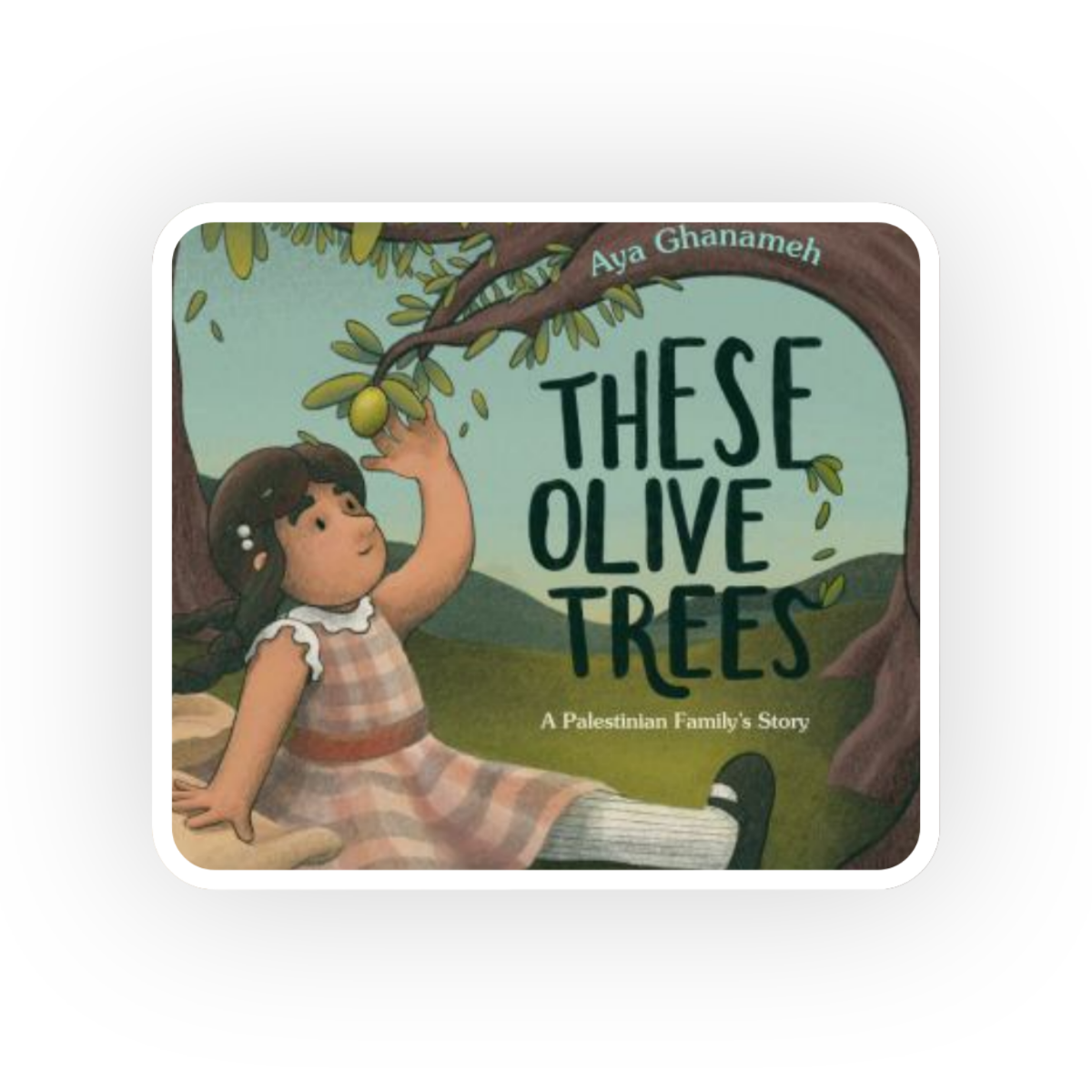
These Olive Trees by Aya Ghanameh illustrates the symbolic importance of olive trees in Palestinian culture through the eyes of a refugee girl.
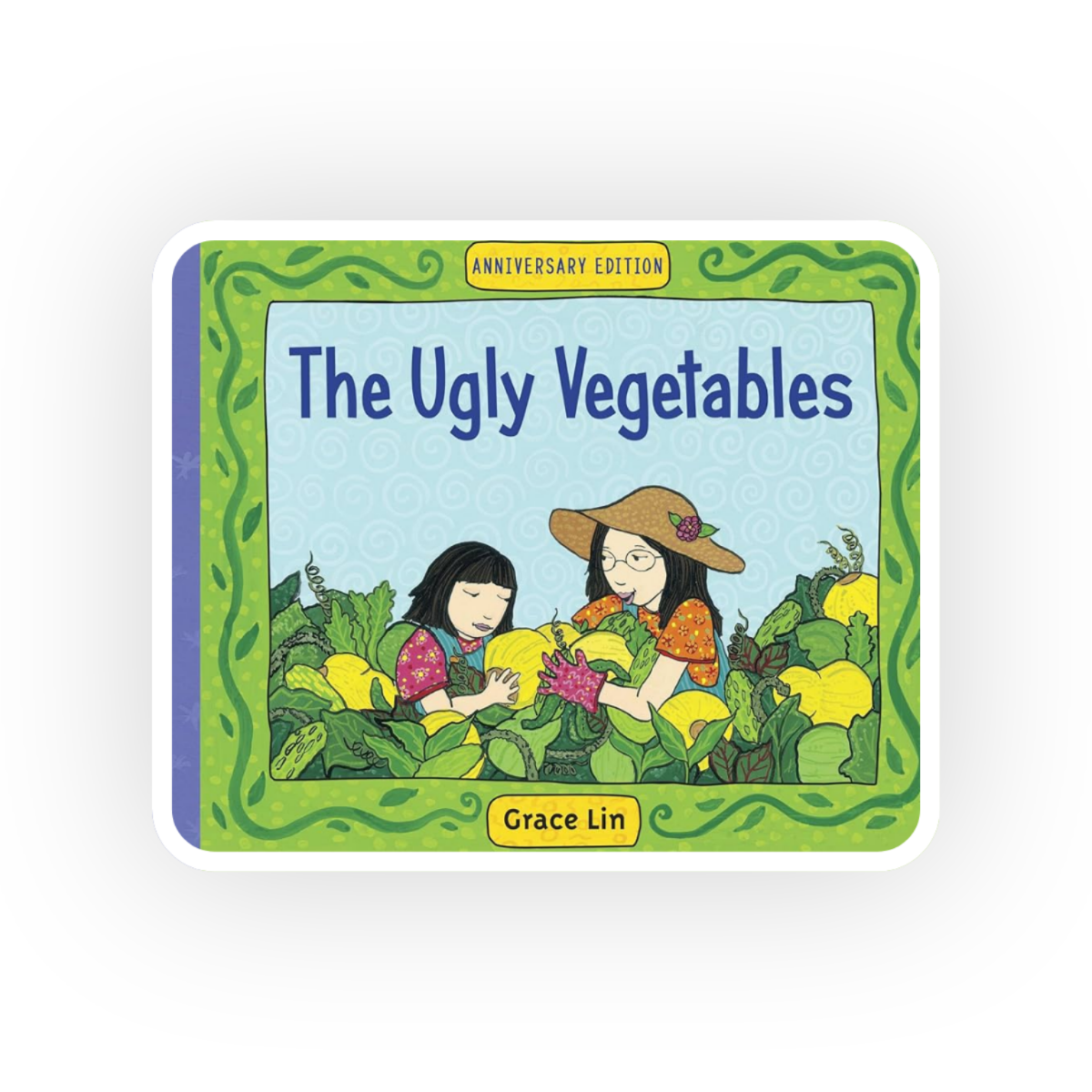
The Ugly Vegetables by Grace Lin tells the story of a young Chinese-American girl wishes for a garden of bright flowers like her neighbors instead of one full of ugly vegetables.
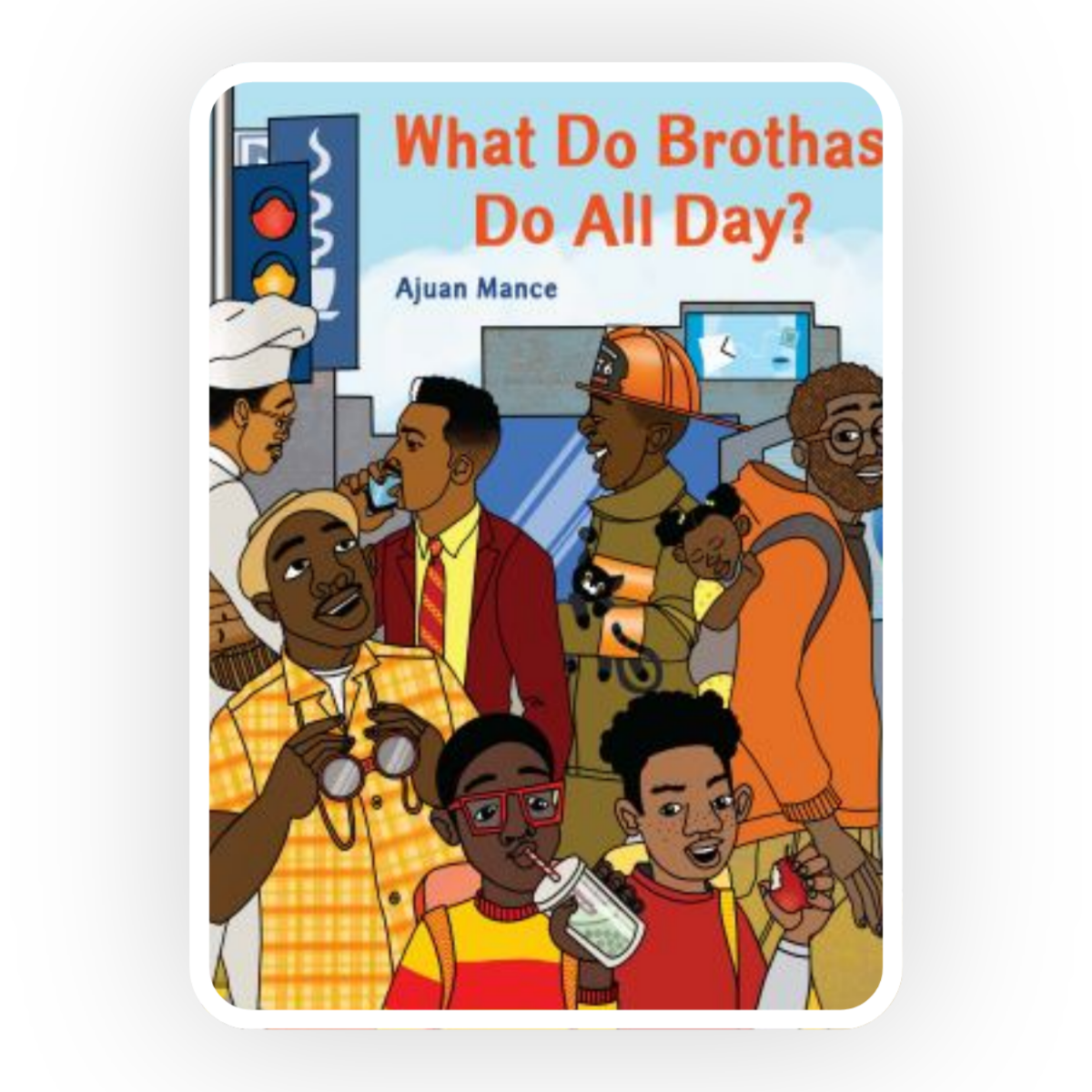
What Do Brothas Do All Day by Ajuan Mance features portraits of African American men doing everyday tasks and hobbies.
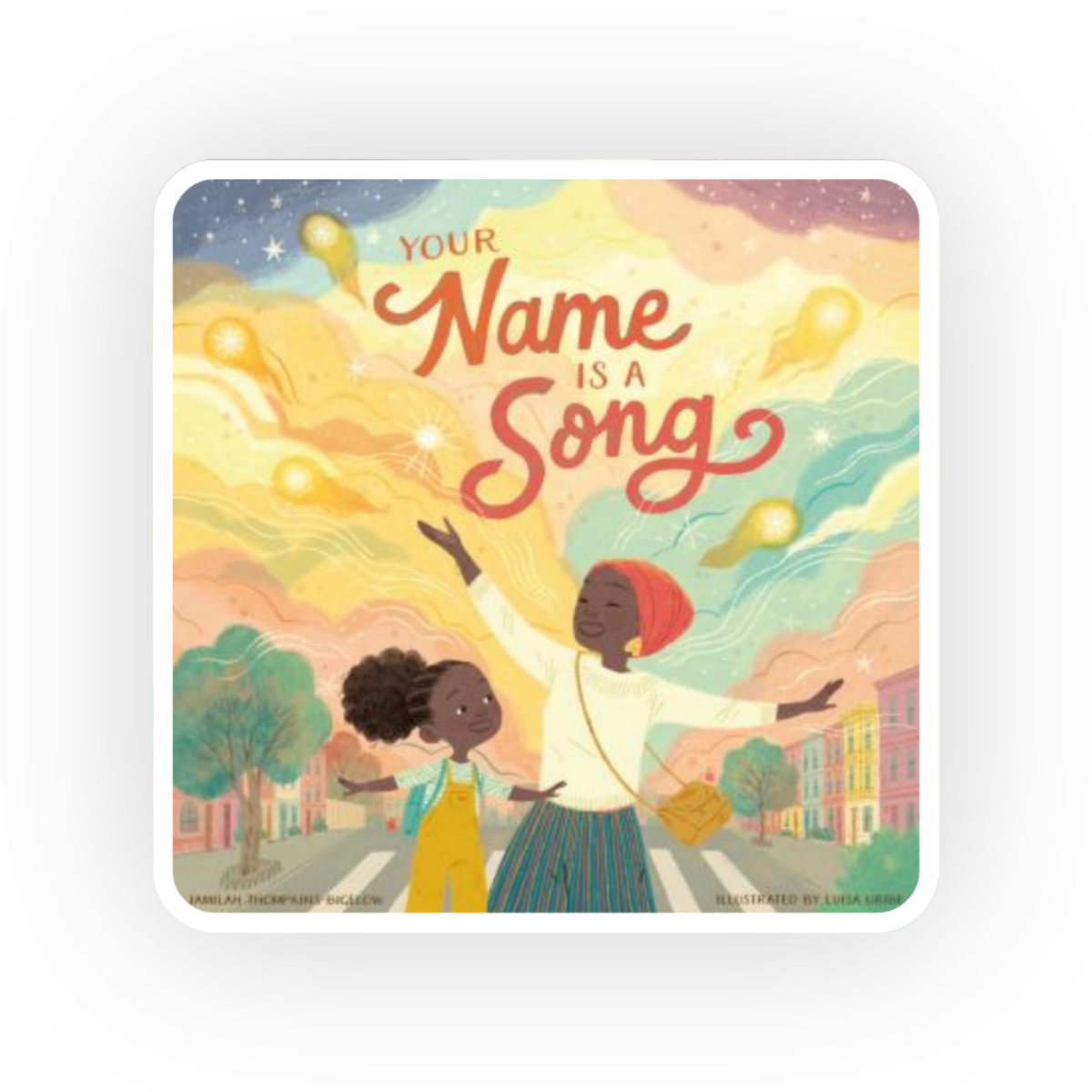
Your Name is a Song by Jamilah Thompkins-Bigelow is a celebration of African American culture, featuring a Muslim family, offering a new way to look at the tradition of names.
More
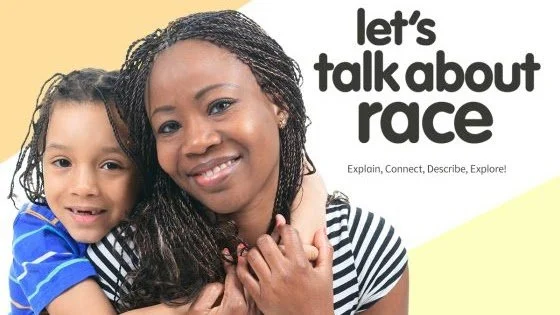
Let’s Talk About Race: Explain, Connect, Describe, Explore!
Interactive resource from Sesame Street to engage children in conversation, thought and action around racial equity.
PBS Kids Talk about Race and Racism
A resource by PBS Kids that includes many helpful articles and activities on how to engage children in discussions of race and racism.
References[1] Sullivan, et al. “Adults delay conversations about race because they underestimate children’s processing of race.” Journal of Experimental Psychology: General. Vol 150 (2), Feb 2021: pg 395-400.
[2] Xiao et al. “Infants rely more on gaze cues from own-race than other-race adults for learning under uncertainty.” Child Development. Vol 89 (3), May/June 2018: pg e229-e244.
[3] Shutts et al. “Young children’s preferences: gender, race and social status.” Child development perspectives. Vol 9 (4), December 2015: pg 262-266.
[4] Novotney, A. It’s never too early to teach kids about race and racial justice. Here’s how to do it— With a little help from Elmo. https://www.apa.org/topics/racism-bias-discrimination/race-kids-sesame-street