
See What's Happening
Our upcoming events are all about connection, creativity, and collaboration. Don’t miss your chance to be part of the experience.
Join us for a special guided tour of the Ruby & Calvin Fletcher African American History Museum in Stratford, CT. $15 per person.
Join us for a special guided tour of the Ruby & Calvin Fletcher African American History Museum in Stratford, CT. $15 per person.
Podcast Discussion: The Sum of Us
Discussion: How racism drains shared resources for all and how investment in community can build a more equitable future for everyone.
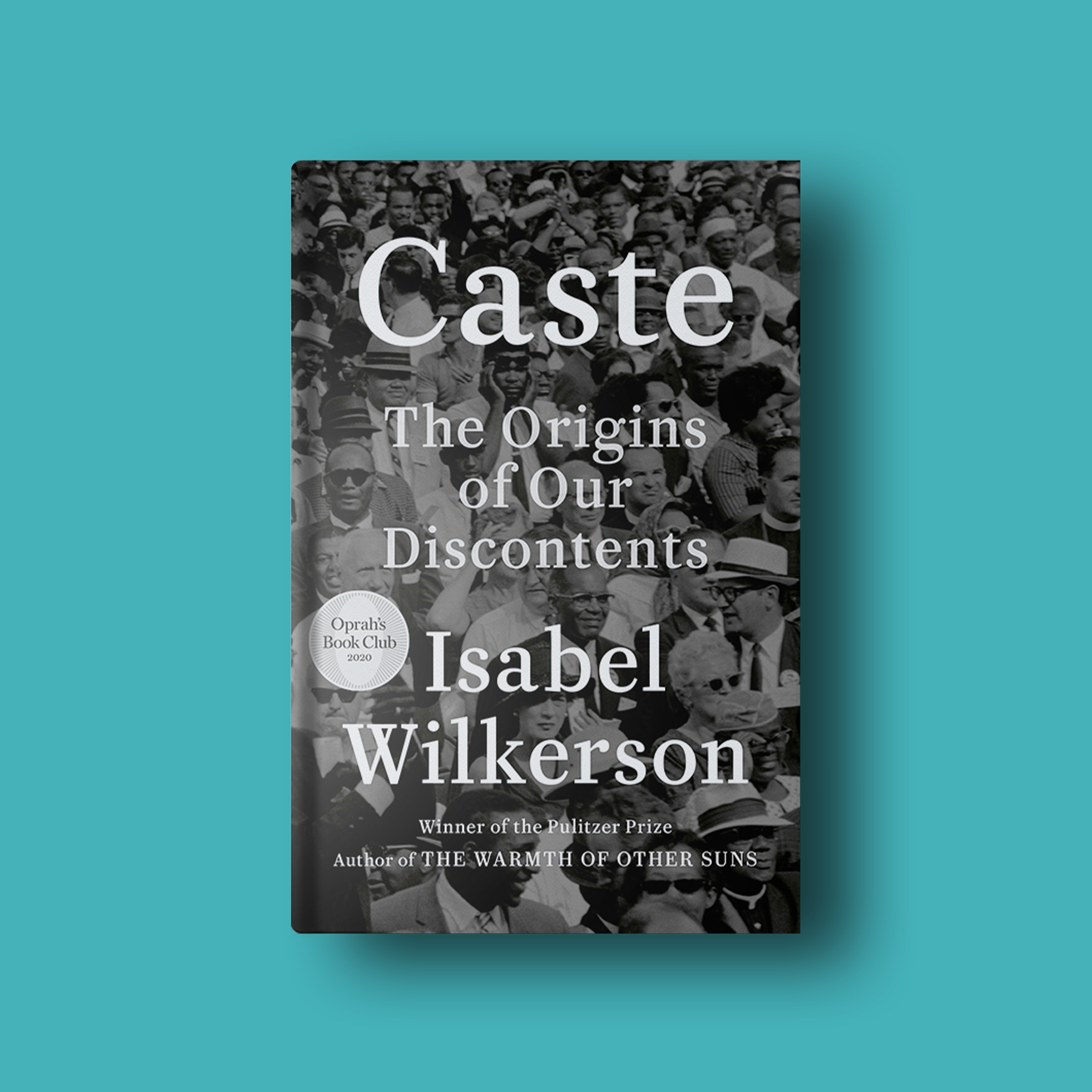
NEW YORK TIMES BESTSELLER • NATIONAL BOOK CRITICS CIRCLE AWARD WINNER • ONE OF BARACK OBAMA’S FAVORITE BOOKS OF THE YEAR • TIME’S TEN BEST NONFICTION BOOKS OF THE DECADE • ONE OF THE NEW YORK TIMES’S FIVE BEST BOOKS OF THE 21ST CENTURY • A KIRKUS REVIEWS BEST NONFICTION BOOK OF THE CENTURY • LOS ANGELES TIMES’S #1 NONFICTION BOOK OF THE LAST 30 YEARS • AN OPRAH DAILY BEST NONFICTION BOOK OF THE PAST TWO DECADES
“A brilliant and stirring epic . . . Ms. Wilkerson does for the Great Migration what John Steinbeck did for the Okies in his fiction masterpiece, The Grapes of Wrath; she humanizes history, giving it emotional and psychological depth.”—John Stauffer, The Wall Street Journal
“What she’s done with these oral histories is stow memory in amber.”—Lynell George, Los Angeles Times
WINNER: The Mark Lynton History Prize • The Anisfield-Wolf Award for Nonfiction • The Chicago Tribune Heartland Prize • The Hurston-Wright Award for Nonfiction • The Hillman Prize for Book Journalism • NAACP Image Award for Best Literary Debut • Stephen Ambrose Oral History Prize
FINALIST: The PEN/John Kenneth Galbraith Award for Nonfiction • Dayton Literary Peace Prize
ONE OF THE TEN BEST BOOKS OF THE YEAR: The New York Times, USA Today, Publishers Weekly, O: The Oprah Magazine, Salon, Newsday, The Daily Beast
ONE OF THE BEST BOOKS OF THE YEAR: The New Yorker, The Washington Post, The Economist, Boston Globe, San Francisco Chronicle, Chicago Tribune, Entertainment Weekly, Philadelphia Inquirer, The Guardian, The Seattle Times, St. Louis Post-Dispatch, The Christian Science Monitor
In this beautifully written masterwork, Pulitzer Prize–winning author Isabel Wilkerson presents a definitive and dramatic account of one of the great untold stories of American history: the Great Migration of six million Black citizens who fled the South for the North and West in search of a better life, from World War I to 1970.
Wilkerson tells this interwoven story through the lives of three unforgettable protagonists: Ida Mae Gladney, a sharecropper’s wife, who in 1937 fled Mississippi for Chicago; sharp and quick-tempered George Starling, who in 1945 fled Florida for Harlem, and Robert Foster, a surgeon who left Louisiana in 1953 in hopes of making it in California.
Wilkerson brilliantly captures their first treacherous cross-country journeys by car and train and their new lives in colonies in the New World. The Warmth of Other Suns is a bold, remarkable, and riveting work, a superb account of an “unrecognized immigration” within our own land. Through the breadth of its narrative, the beauty of the writing, the depth of its research, and the fullness of the people and lives portrayed herein, this book is a modern classic.
We think understanding white privilege and white supremacy is a powerful lens into the complexities of doing social justice work, so we have focused our resources on that specific issue. The framework is adaptable to all forms of social justice and can be done individually, with friends and family, and with colleagues by teams or whole organization. The materials address social justice, racial injustice, gender issues, transgender issues, issues across class and religion and Moore.
What we now know from the research is that 21 days is only a beginning. The actual amount of time it takes to build a habit or change a habit is over 60 days. Think of the 21-Days as a kickoff to the goal of doing one thing a day for the rest of your life. The hope is that with enough of us reaching this goal, we will create systemic, organization change throughout the world.
Each challenge is a skill-building and habit-building tool and the more you do it, just like any habit, the better you will get. The daily activities are meant to fit into your schedule not take you away or ask that you make space for them. In committing to the challenge, you are committing to skill-building. Materials cross generational, racial, and gender lines, which is to be expected as these intersect when discussing inequities.
For 21 days, we challenge you to the following steps:
Do at least one action each day to further your understanding of power, privilege, supremacy, oppression, and equity. Explore readings, podcasts, videos, observations, and ways to form and deepen community connections. Be sure to diversify your habits by doing some of each.
Use the tracking chart to stay on course.
Connect with others to process, share thoughts, ask questions, and get ideas. Like our Challenge Facebook page to share your experience with the 21-Day community.
Follow the Challenge's terms and guidelines.

White Fragility with discussion leader, Dr. Martha Brackeen-Harris
- Newtown (map)
- Google Calendar ICS
The New York Times best-selling book exploring the counterproductive reactions white people have when their assumptions about race are challenged, and how these reactions maintain racial inequality.
In this “vital, necessary, and beautiful book” (Michael Eric Dyson), antiracist educator Robin DiAngelo deftly illuminates the phenomenon of white fragility and “allows us to understand racism as a practice not restricted to ‘bad people’ (Claudia Rankine). Referring to the defensive moves that white people make when challenged racially, white fragility is characterized by emotions such as anger, fear, and guilt, and by behaviors including argumentation and silence. These behaviors, in turn, function to reinstate white racial equilibrium and prevent any meaningful cross-racial dialogue. In this in-depth exploration, DiAngelo examines how white fragility develops, how it protects racial inequality, and what we can do to engage more constructively.
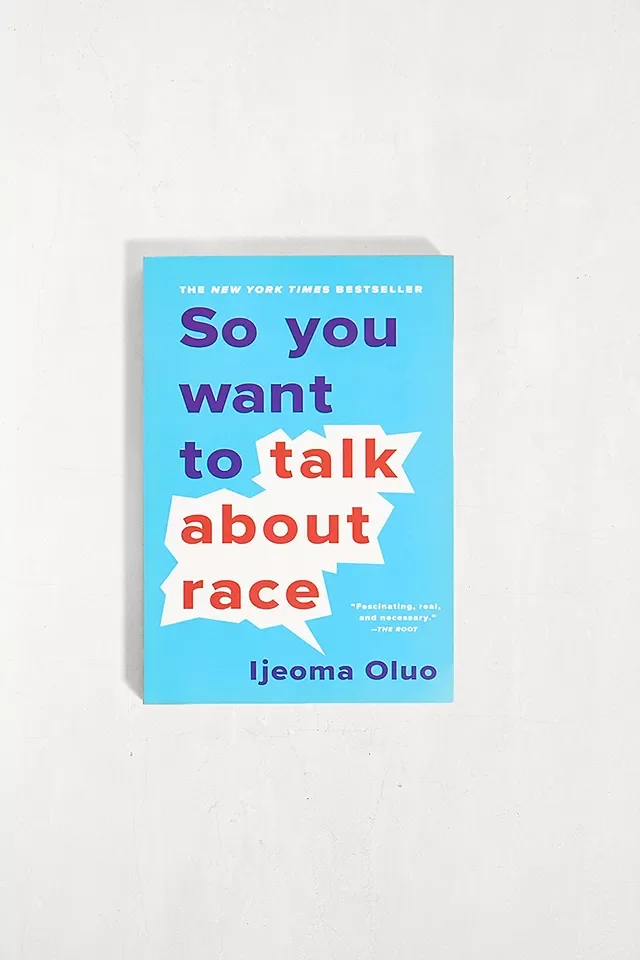
So You Want to Talk About Race
- Newtown (map)
- Google Calendar ICS
So You Want to Talk About Race